
Discover Anini: Hidden Gem of Arunachal Pradesh
Explore Anini, a hidden paradise in Arunachal Pradesh. Discover its scenic beauty, tribal culture, travel tips, and the ultimate offbeat adventure.
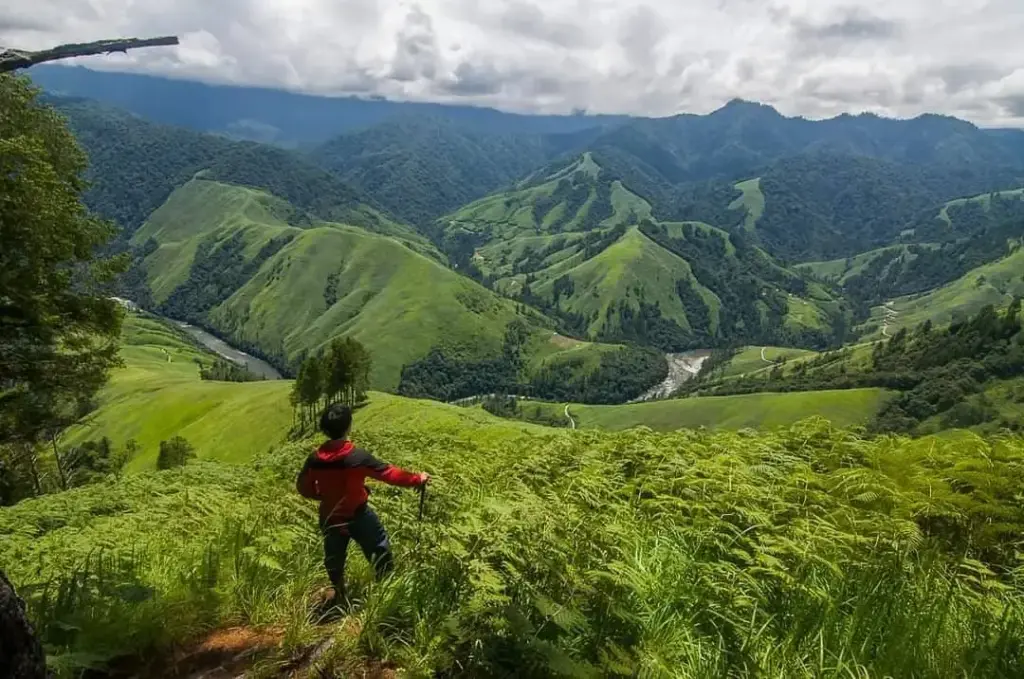
Table of contents
- 1 Introduction
- 2 Where is Anini?: Geography & Accessibility
- 3 A Cultural Window: The Idu Mishmi Tribe
- 4 Anini’s Natural Beauty: Valleys, Rivers & Beyond
- 5 Top Attractions in and around Anini
- 6 Wildlife and Biodiversity: Dibang Wildlife Sanctuary
- 7 Best Time to Visit and Weather Conditions
- 8 How to Reach Anini: Travel Logistics
- 9 Where to Stay and Eat in Anini
- 10 Responsible Travel Tips for Anini
- 11 Conclusion: Why Anini Is Arunachal’s Hidden Soul
Introduction
Tucked away in the far northeastern edge of Arunachal Pradesh, Anini is one of India’s most remote and least explored destinations. Surrounded by the Eastern Himalayas and kissed by the Dibang River, this secluded town offers pristine landscapes, vibrant tribal culture, and the serenity of untouched nature. With very limited tourist infrastructure, Anini is ideal for travellers seeking solitude, authenticity, and a raw connection with the Eastern Himalayan ecosystem. Despite its remoteness, those who make the journey to Anini are rewarded with unmatched vistas, rare biodiversity, and a chance to immerse themselves in the life of the Idu Mishmi tribe.
Where is Anini?: Geography & Accessibility
Anini lies in the Dibang Valley district of Arunachal Pradesh, sharing a sensitive border with China’s Tibet Autonomous Region. Sitting at an elevation of over 1,960 metres (6,430 ft), it is one of the most isolated administrative headquarters in India.
Accessibility:
Reaching Anini is no small feat. The nearest airport is in Dibrugarh, Assam, and the nearest railhead is Tinsukia. From there, travellers must drive or take shared transport to Roing, followed by a long, rugged drive across the Mishmi Hills and over the Mayudia Pass, eventually leading to Anini. This journey takes over 12–14 hours from Roing, depending on weather and road conditions.
Due to its location and strategic sensitivity, Inner Line Permits (ILP) are required for Indian nationals, and Protected Area Permits (PAP) are mandatory for foreign nationals.
A Cultural Window: The Idu Mishmi Tribe
Anini is the cultural heartland of the Idu Mishmi, one of Arunachal Pradesh’s most fascinating and lesser-known tribal communities. Known for their unique language, traditions, and animistic religious beliefs, the Idu Mishmi have preserved their heritage through storytelling, rituals, and textile craftsmanship.

Their belief system centres around shamans, who play a vital role in spiritual and communal life. One of the most sacred ceremonies is the Iyili ritual, conducted to communicate with ancestral spirits. The Idu Mishmi are also skilled weavers, producing intricate, geometric patterns using organic dyes and fibres, often showcased in their traditional garments.
Travellers to Anini may get a chance to attend local festivals such as Reh, which is marked by elaborate rituals, music, and dance celebrating community unity and ancestral worship. Visitors are encouraged to engage respectfully and through local guides who understand tribal sensitivities.
Anini’s Natural Beauty: Valleys, Rivers & Beyond
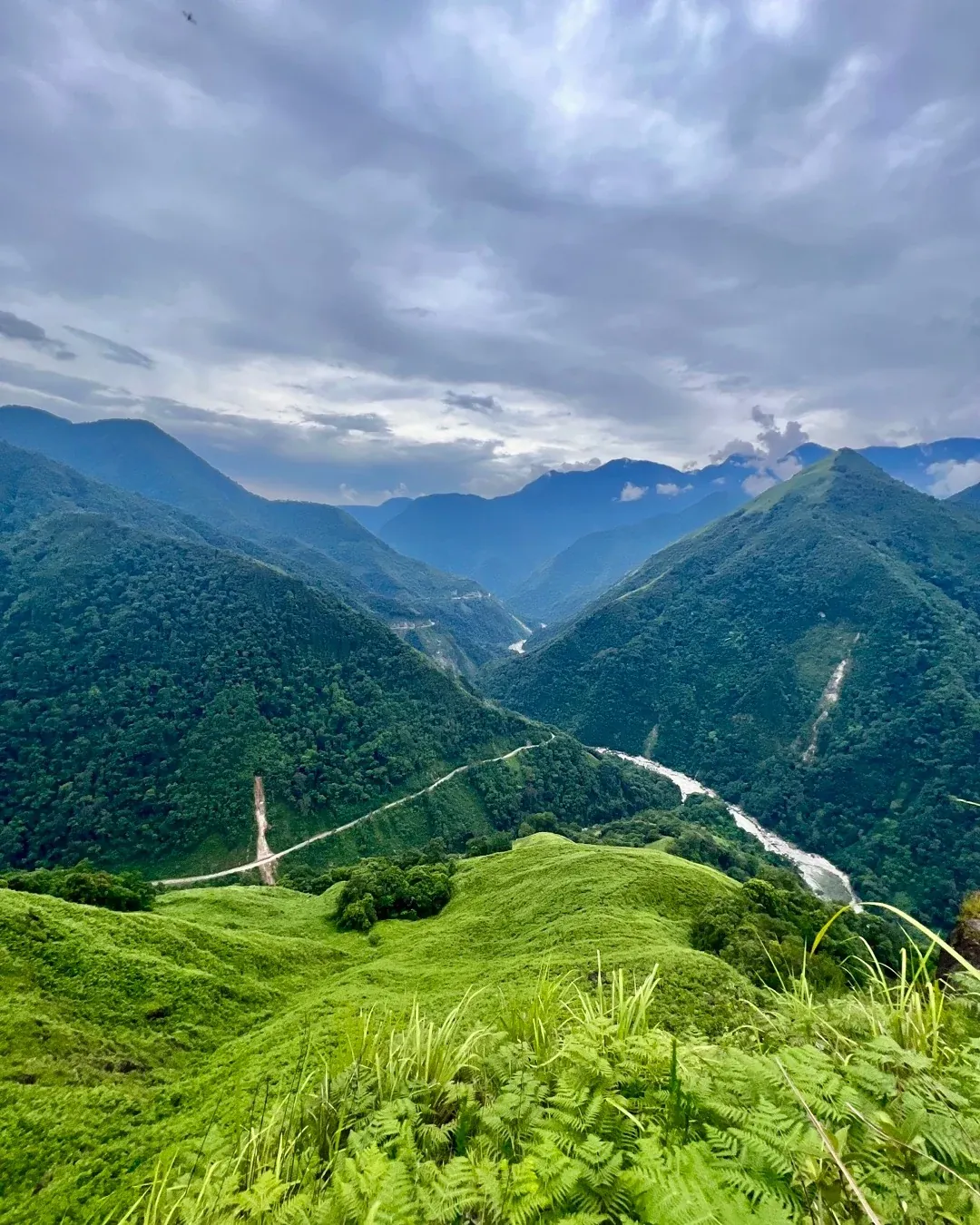
Anini is blessed with some of the most dramatic and unspoiled natural landscapes in Arunachal Pradesh. Surrounded by snow-capped peaks, deep river gorges, and thick forests, its beauty lies in its rawness and remoteness.
- Dibang River: This glacial river flows through the heart of Anini and is a lifeline for the region. It creates stunning valleys and offers scenic picnic spots along its banks.
- Mayodia Pass: Located en route to Anini, this high-altitude pass is a breathtaking stop with snow-covered roads in winter and cloud-kissed vistas in summer.
- Mountain Views: On a clear day, Anini offers panoramic views of the eastern Himalayan ranges, including peaks that straddle the Indo-China border.
- Starry Skies: With no light pollution, Anini is also a great spot for stargazing, especially during cold, clear nights.
Trekking opportunities exist around nearby ridges, though many are still uncharted. It’s advisable to go with local guides familiar with the terrain and weather. Travespert provides amazing local trekking experiences with guides for underrated and hidden treks like the 7 Lakes Trek, Emuli Grassland Trek, and Dri Valley Trek.
Top Attractions in and around Anini
Despite its remoteness, Anini has several unique places that showcase both natural beauty and cultural life.
- Anini Viewpoint: A short hike or drive outside the town, it offers wide views of the valley and the meandering Dibang River.
- Mipi Village: A scenic and traditional Idu Mishmi settlement about 25 km from Anini. This is one of the last villages before the border zone, offering a glimpse into life in the high Himalayas.
- Chigu Camp: Perched close to the India–China–Myanmar tri-junction, Chigu Camp is as remote as it gets. Travellers who make it here are rewarded with breathtaking views, thin mountain air, and the thrill of standing at one of India’s last frontiers.
- Achecho: A hidden plateau in the hills of Anjaw, Achecho greets you with undulating meadows, fluttering prayer flags, and a feeling of standing above the clouds.
- Bruni: A small village tucked into Anjaw’s folds, known more to locals and border travellers than to mainstream tourism. Surrounded by terraced fields and dense forests, it offers a glimpse of quiet Himalayan life, untouched by mass travel. It’s not about “what to do” here, but simply being, listening to the river, watching sunsets over layered hills, and soaking in the isolation.
These destinations are still raw, so amenities are basic and eco-friendly travel practices are essential.
Wildlife and Biodiversity: Dibang Wildlife Sanctuary
The Dibang Wildlife Sanctuary, covering over 4,100 sq. km, is one of the largest and least explored protected areas in India. It is part of the Eastern Himalayas biodiversity hotspot and is a paradise for wildlife lovers and researchers.
Key wildlife includes:
- Mishmi takin: a rare goat-antelope found only in this region
- Red panda: shy and elusive, best spotted during early mornings
- Snow leopard: extremely rare, though the sanctuary is within its known range
- Clouded leopard, musk deer, and various species of pheasants, including the Blyth’s tragopan
Birdwatchers flock to Anini for sightings of endemic and migratory birds. However, the sanctuary has no formal tourism infrastructure. Wildlife sightings are best done with the help of local forest officials or researchers, and visitors are advised not to venture without permits or guides
Best Time to Visit and Weather Conditions
Anini’s weather is governed by its high-altitude Himalayan location, offering vastly different experiences across seasons:
- Summer (April to June): Pleasant with daytime temperatures between 15–25°C. Ideal for trekking and exploring surrounding valleys.
- Monsoon (July to September): Not recommended due to heavy rainfall, frequent landslides, and poor road conditions.
- Autumn (October to November): One of the best times to visit, clear skies, golden landscapes, and comfortable temperatures.
- Winter (December to March): Cold and remote. Snowfall in surrounding passes like Mayodia makes access difficult, but it’s magical for those seeking snowy solitude.
Best time to visit: October to mid-December and April to early June, depending on your tolerance for cold and road conditions.
How to Reach Anini: Travel Logistics
Getting to Anini is a journey in itself and forms part of the adventure. It is one of the most isolated towns in India, close to the India-China border.
- Nearest Airport: Dibrugarh (Assam): well-connected with major Indian cities. From here, it’s a long but scenic road journey.
- Via Roing: Drive or take shared taxis from Dibrugarh to Roing (about 5–6 hours), then proceed toward Anini via Mayodia Pass. The Roing–Anini stretch (approx. 235 km) can take 9–12 hours, depending on weather and road conditions.
- Inner Line Permit (ILP): Mandatory for all non-Arunachal residents. Can be obtained online or in Guwahati/Itanagar.
- Restricted Area Permit: In some cases, if planning to explore near the border or sensitive zones, additional permissions may be required.
Note: Roads can be extremely challenging during the monsoon and winter. Always check local advisories.
Where to Stay and Eat in Anini
Anini’s infrastructure is minimal but sufficient for the determined traveller.
Stay Options:
- Circuit House & Inspection Bungalows: Government-run and require prior booking through administrative offices.
- Local Homestays: Limited but growing. Offer simple rooms with home-cooked meals and insight into Idu Mishmi culture.
- Guest Houses: A few basic private guest houses exist. Campsites such as Dree Afra Campsite and Chigu Camp are also sprouting in and around the area.
Food Scene:
- Don’t expect restaurants: most meals are home-cooked at your accommodation.
- Local cuisine: Try rice with smoked meat, bamboo shoot dishes, and foraged greens.
- Basic Indian fare is also available, but ingredients are often seasonal and limited by supply constraints.
Responsible Travel Tips for Anini
Travelling to a sensitive and remote region like Anini demands conscious and respectful conduct from visitors. Here are some essential tips for being a responsible traveller:
- Respect Local Customs: The Idu Mishmi community values privacy and has unique traditions. Always seek permission before photographing people, homes, or religious items.
- Minimise Waste: There is no solid waste management system in Anini. Carry your trash back with you, especially non-biodegradable items like plastic wrappers and bottles.
- Support Local: Choose local homestays over government circuit houses when possible, and buy handmade crafts or local produce directly from villagers.
- Travel Off-Peak: If possible, avoid travelling during peak seasons when limited infrastructure is stretched. This also ensures a quieter experience for you.
- Avoid Wildlife Disturbance: Don’t venture into forested areas without a guide. Anini is part of a fragile ecosystem that needs to be protected.
- Leave No Trace: Stick to established trails, avoid loud music, and never damage flora or disturb fauna, even unintentionally.
Note: Connectivity is weak. Inform loved ones in advance and embrace digital detox.
Conclusion: Why Anini Is Arunachal’s Hidden Soul
Anini is not just a destination, it’s a lesson in patience, humility, and wonder. Tucked away in the cloud-kissed Dibang Valley, it’s a sanctuary for slow travel, raw landscapes, and soulful connection with Arunachal’s untamed heart.
With its windswept meadows, deep forests, and warm tribal hospitality, Anini offers something no tourist hotspot can: silence, solitude, and authenticity. For those seeking more than just a pretty postcard, Anini is the kind of place that stays with you long after you leave.