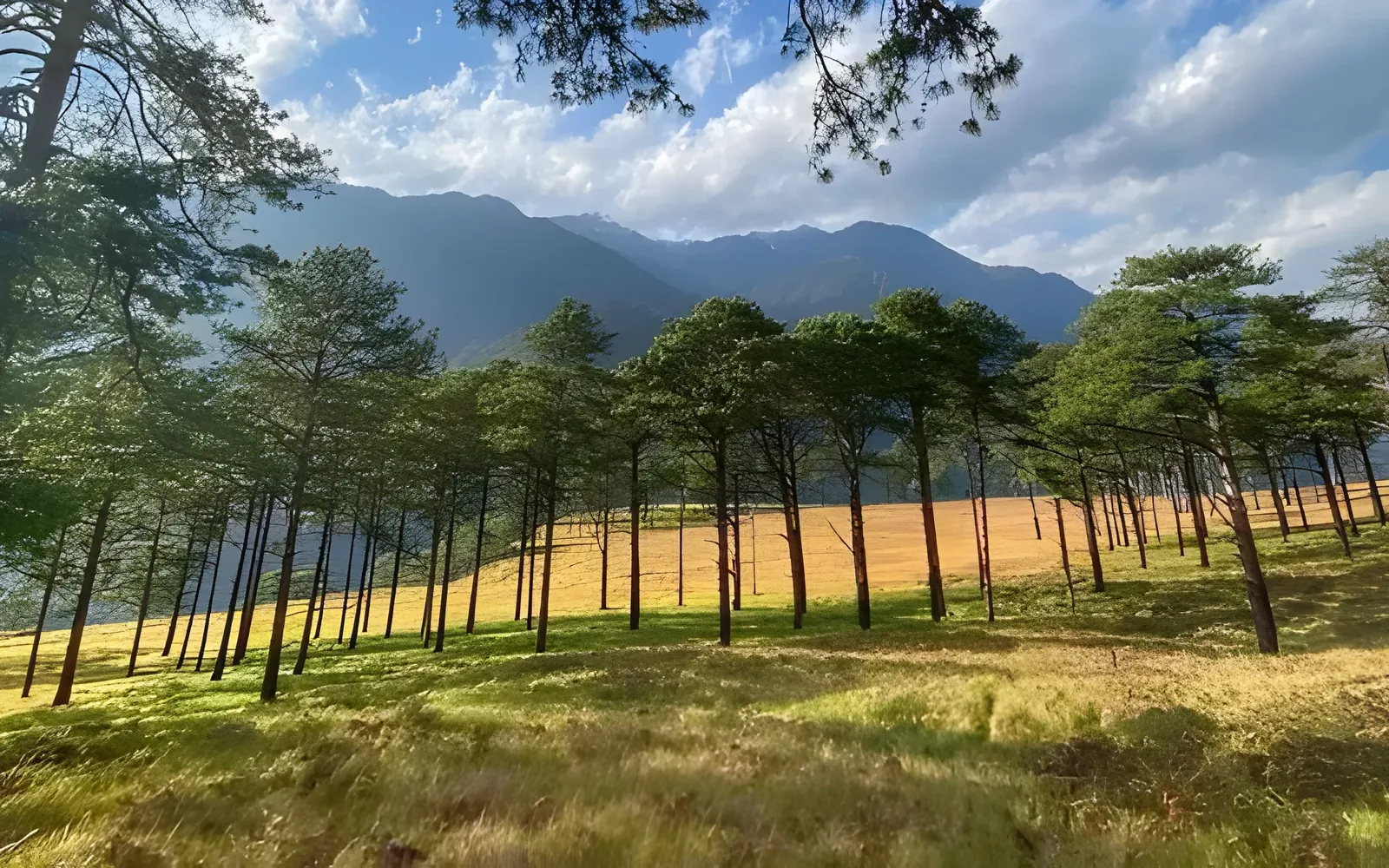
How to Reach Dong Valley: India’s First Sunrise Point
Witness India’s first sunrise in Dong Valley. Discover how to reach Dong Valley, travel tips, and what to expect at this remote gem in Arunachal Pradesh.
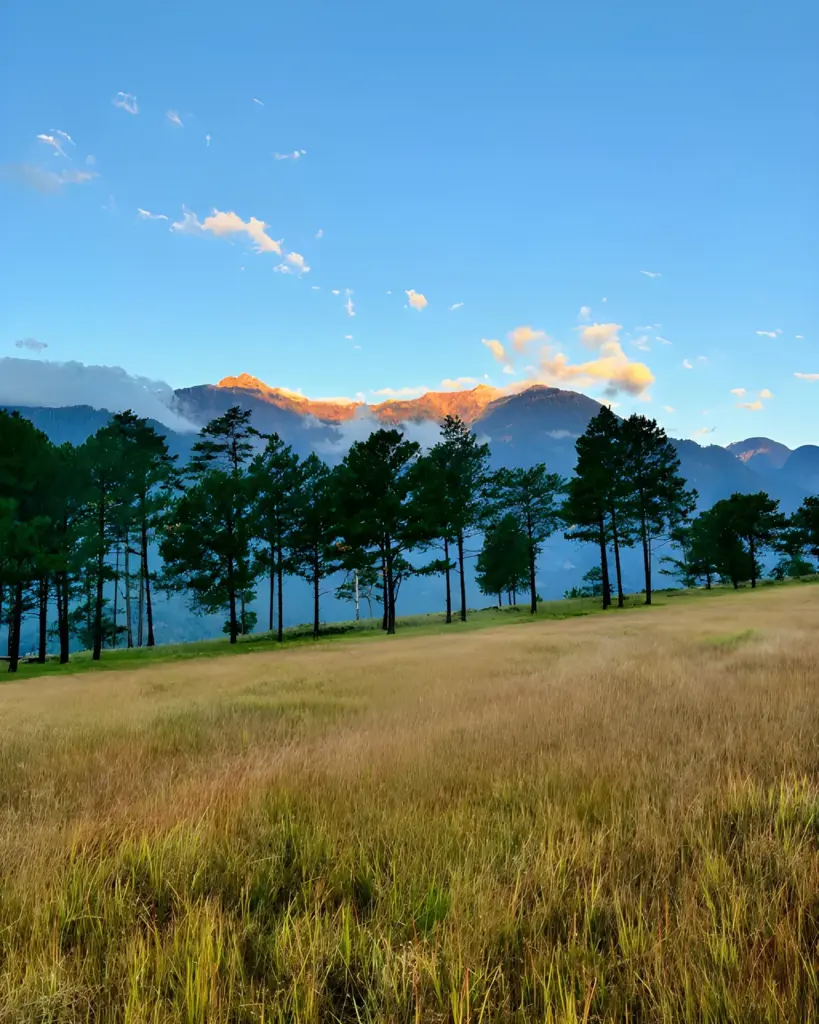
Table of contents
- 1 Introduction
- 2 Why visit Dong Valley?
- 3 How to get to Dong Valley?
- 4 What to prepare for when you get to Dong Valley?
- 4.1 Where to stay?
- 5 What to expect in Dong Valley?
- 6 Things to keep in mind before you go
- 7 What is the best time to visit Dong Valley?
- 8 Why is visiting Dong Valley worth it?
- 9 Conclusion
Introduction
Hidden in the farthest corner of the easternmost part of Arunachal Pradesh, Dong Valley is a location that wakes up ahead of the rest of India. Being the country’s first place to see the sunrise, Dong is where the morning starts at dawn, which tends to happen before 4:30 AM.
Not only is Dong Valley geographically unique, but it is rich in culture as well, with tribal villages and rolling hills of fog around it. Though it’s remotely appealing, getting to Dong is an adventure that takes planning, patience, and the correct path. In this blog, we detail how to get to Dong Valley in step-by-step fashion, including necessary travel information and things to know before you go.
Why visit Dong Valley?
Hidden away at the tri-junction of India, China, and Myanmar, Dong Valley offers the unique experience of witnessing the first sunrise in India. But there is much more to this remote corner than just the break of dawn. Surrounded by pine-covered ridges, fluttering prayer flags, and swaying suspension bridges, the region presents a pristine Himalayan landscape that remains largely untouched.
Travel here goes beyond scenic beauty. It offers cultural immersion through visits to Kaho and Kibithoo, two of the easternmost villages in India. These are not just border settlements but windows into the lives of indigenous communities, where travellers can observe traditional homes, taste local cuisine, and engage with customs shaped by generations of quiet resilience.
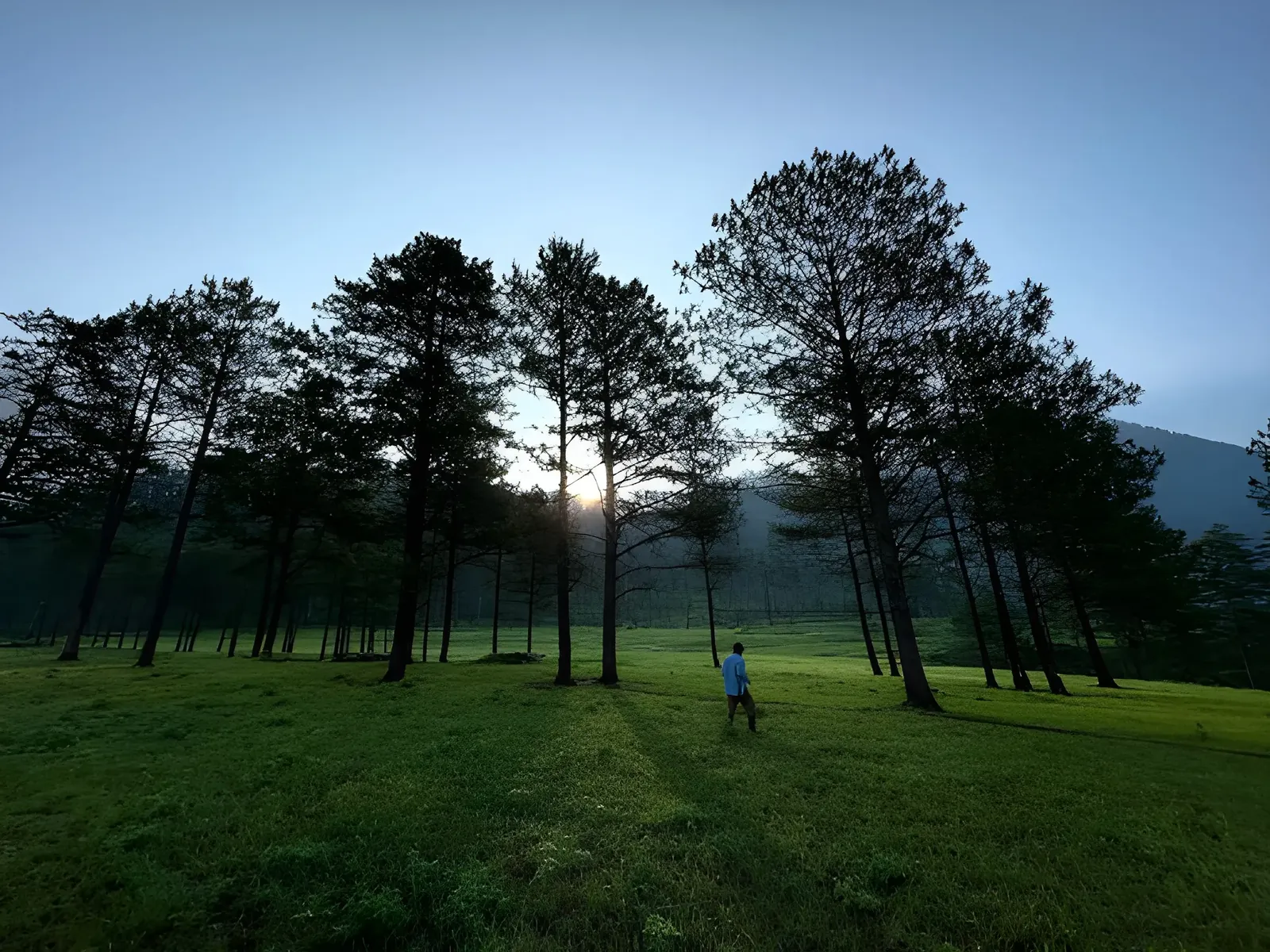
The early morning trek to the Dong sunrise viewpoint adds a sense of adventure to the journey. For those who rise before dawn, the payoff is a breathtaking sweep of golden light across the Eastern Himalayas; a necessary moment of stillness that is both grounding and unforgettable. For explorers seeking unfiltered landscapes, solitude, and authentic cultural exchange, Dong Valley and its neighbouring villages offer a rare and humbling experience.
How to get to Dong Valley?
It’s not fast or convenient to get to Dong Valley, but the trip there is all part of the payoff. Far in the outer eastern corner of Arunachal Pradesh’s Anjaw district, Dong takes more than one leg to reach: by airplane, train, and bus. Tedious, perhaps, but every step gets you further into the beautiful and unspoiled landscape of the Northeast.
The most convenient path starts from Assam. Travelers typically go on to Tinsukia or Dibrugarh, which are well linked by flight and rail links to key Indian cities. From here, a scenic but arduous road trip starts.
- By Air: Nearest airport is Dibrugarh (Mohanbari Airport). Hire a cab or board a local bus from here to get to Tezu or Hayuliang, and finally Walong.
- By Train: The nearest major railway station is Tinsukia Junction. It’s conveniently connected to Guwahati and other destinations in Assam. Travellers from Tinsukia can proceed further by road through Tezu, Hayuliang, and eventually to Walong.
- By Road: The travel from Dibrugarh or Tinsukia to Walong is around 14–16 hours, generally distributed over two days, however you can reach your destination on the same day if you wish to travel early in the morning (5AM) and reach by 6PM evening. Roads are mountainous, winding, and subject to weather conditions, but the landscape of valleys, forests, and rivers is breathtaking. Dong village is a 10–15 minute drive from Walong followed by an early morning trek uphill to the sunrise point.
Since Dong lies in a restricted region, Indian tourists require an Inner Line Permit (ILP), which can be accessed online from the Arunachal Pradesh tourism website. Foreign citizens must seek a Protected Area Permit (PAP) from a registered tour operator (like us!).
Though the trip can appear to be long and strenuous, the road to Dong Valley is one of serene beauty, and every bend provides a glimpse into the depth and richness of landscapes of Arunachal. For those willing to travel to witness the first rays of the Indian sun, the journey is well worth it.
What to prepare for when you get to Dong Valley?
When you arrive in Dong Valley, you will feel its remoteness and simplicity at once. This is not a destination teeming with tourists or luxury hotels. Rather, it’s about raw nature, friendly people, and the silence that is becoming very much of a rare occurrence.
The village itself is tiny, comprising not more than a few dozen houses of the Meyor tribe. Smile-filled faces, the scent of firewood, and the distant sound of the Lohit River flowing fast will welcome you. Despite its isolation, the people are friendly and used to the occasional visitor. Nevertheless, the mobile network will be extremely limited, and digital facilities are out of the question.
You will be coexisting with locals, wildlife, and mountains. Things happen slowly here, and the best experiences usually happen through conversations, meals, and just watching life.
Where to stay?
You can stay in Walong, the nearest town before Dong village.
- Homestays: The best stay you can get. Some families allow guests in and provide warm food, which is all you need after that long journey.
- Government guest houses: Basic, but helpful. Only if booked early, or you know someone.
- Camping: Camping provisions are provided to people travelling with an organised group or solo.
Carry your own basic medicine, and towel. Electricity may be absent. Water might be bucketed. It is also advisable to have your own headlamps or torches as the trek starts early in the morning and it is usually dark
What to expect in Dong Valley?
While the biggest attraction is to access Dong Valley and witness India’s earliest sunrise, there’s more to absorb if you take your time and interact with the location.
- The Meyor tribe: One of the lesser-known groups of Arunachal Pradesh, the Meyors inhabit the Dong and Kibithu region and follow animistic practices. They are reserved and speak Meyor, their own language.
- Walong war memorial: Situated a short distance away, this Indian army memorial stands for the bravery shown during the 1962 Sino-Indian War.
- Hot water spring: Located at Tilam, just a short drive from Dong or Walong. Very welcome if you’re visiting during winter.
- Lohit river valley: Can be viewed from multiple points during the road journey, and you can also take walks along its banks in Walong.
Things to keep in mind before you go
If you’re going to get to Dong Valley, following are some handy tips to assist you through your journey:
- Permits: Take printed copies of your Inner Line Permit or Protected Area Permit with you because if your path passes across army posts or checkpoints, these will be required and inspected.
- Cash vs. cards: ATMs are scarce, and everything is done in cash. Carry sufficient money for the entire duration of your trip from Tinsukia or Dibrugarh.
- Connectivity: Don’t depend on mobile data. Inform friends and family in advance that you’ll be offline.
- Packing: Include warm clothes, medicines, power banks, trekking gear, and essentials like torchlights, dry food, and a reusable water bottle.
- Health: The air is clean, but the altitude can affect some. Rest well upon arrival, and stay hydrated.
- Travel timings: Avoid travelling at night, especially on hilly stretches between Tezu, Hayuliang, and Walong. Roads can be dangerous after dark.
Being mindful of these points ensures you’re not caught off guard and can enjoy your time in Dong Valley stress-free.
What is the best time to visit Dong Valley?
The ideal time to explore Dong Valley is between October and March, when the skies are clear, temperatures are moderate, and sunrise views are at their most dramatic. Travellers arriving during this season are treated to golden skies, crisp air, and a landscape washed clean by the retreating monsoon.
Month-wise highlights:
- October to November: Excellent visibility, vibrant post-monsoon greenery, and comfortable trekking conditions.
- December to February: Cold mornings with temperatures between 2–5°C, but skies remain mostly cloudless. Ideal for photography and sunrise treks.
- March: Early signs of spring appear. Days warm slightly while morning views stay clear.
Avoid June to September due to heavy rainfall. Monsoons often lead to road blockages, poor visibility, and slippery trekking routes, which can hinder both travel and the sunrise experience.
Traveller tip:
Begin your trek from Dong village by 3:30 am in winter months. The sunrise usually begins before 5:00 am, and reaching the viewpoint early ensures you catch the full sweep of changing light across the eastern ridges.
Why is visiting Dong Valley worth it?
The journey to Dong Valley is not an easy one. It involves trains, flights, long roads, and early morning hikes. But those who have reached there will assure you the same thing: It is totally worth it.
The experience of viewing the dawn break over the Indian subcontinent from a distant hill in Arunachal Pradesh is something greater than a bucket list. It’s a peaceful, quiet moment, and one of profound respect for the natural cycles of the globe.
Unlike so many places that are defined by what you can purchase, Dong Valley is defined by what you can sense. It’s not luxurious, but a viewpoint. It makes you remember how big India is, how heterogeneous its inhabitants are, and how it’s humbling just to see a sunrise before anybody else.
Conclusion
Traveling to Dong Valley can be painstakingly slow and requires effort, but what is encountered is something that nowhere else in India can provide. From meandering car rides through wooded hillsides to early morning hikes for a glimpse of the nation’s first light, all the travel contributes to the tale.
Whether you are a photographer, a seeker of the divine, or merely an individual wishing to escape the grid, learning how to access Dong Valley is the beginning of a truly unrememberable experience. Acclimatize to the discomforts, train well in advance, and allow the peacefulness of the eastern hills to lead you into a part of India most never glimpse.
Let Dong Valley remind you of the way travelling once was, it was about the trip, the destination, and the memories you make.