
Things to Do in Guwahati in 48 Hours: Temples, Cruising & City Vibes
Your 48-hour guide to things to do in Guwahati, from historic temples to river cruises and local food experiences.
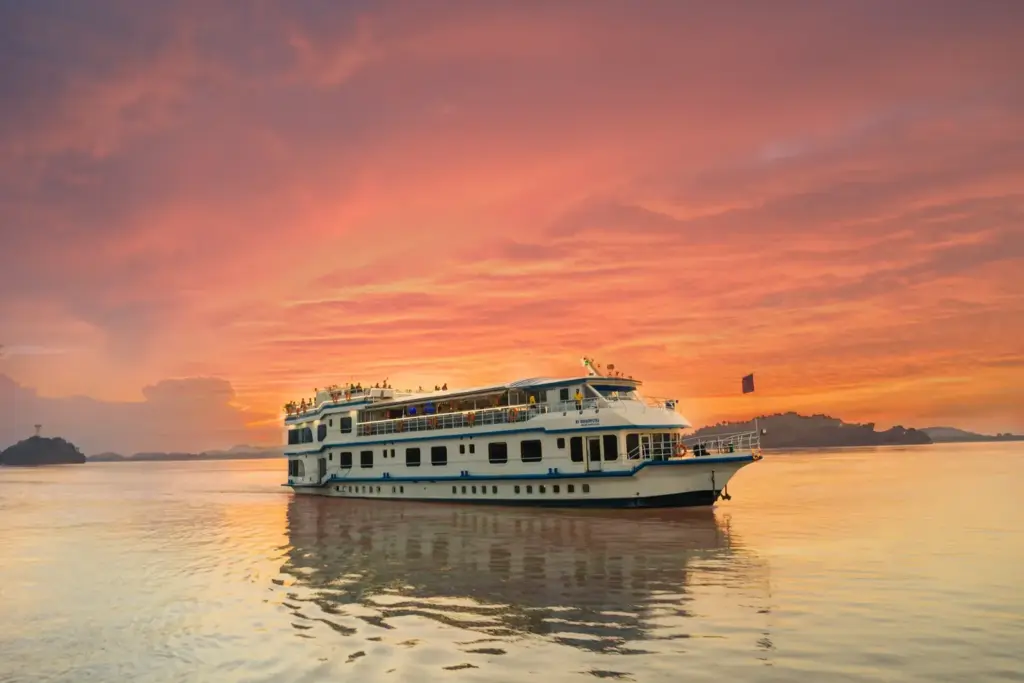
Table of contents
- 1 Introduction
- 2 Morning of Day One: Kamakhya Temple and Nilachal Hill Views
- 3 Afternoon of Day One: Umananda Island and Brahmaputra Riverside
- 4 Evening of Day One: Alfresco Grand Cruise and Assamese Dining
- 5 Morning of Day Two: Assam State Museum and Dighalipukhuri Lake
- 6 Afternoon of Day Two: Basistha Ashram and Garbhanga Reserve Forest
- 7 Evening of Day Two: Fancy Bazaar Shopping and Street Food Trail
- 8 Local Food Experiences and Where to Try Them
- 9 Best Viewpoints and Photography Spots in Guwahati
- 10 Conclusion: Making the Most of Your Guwahati Trip
Introduction
Guwahati, the largest city in Assam and the cultural gateway to Northeast India, is a blend of history, spirituality, and modern city life. Framed by the rolling green hills of the Shillong Plateau and the wide, unhurried flow of the Brahmaputra River, it offers an intriguing balance of sacred temples, bustling markets, tranquil lakes, and vibrant food culture.
In just 48 hours, travellers can explore ancient pilgrimage sites, take in scenic riverscapes, discover centuries-old legends, and enjoy the warmth of Assamese hospitality. This guide to things to do in Guwahati is crafted for those short on time yet eager for an authentic experience of the city. It covers iconic landmarks, cultural hotspots, and local flavours, ensuring you leave with not just photos but stories worth retelling.
Morning of Day One: Kamakhya Temple and Nilachal Hill Views
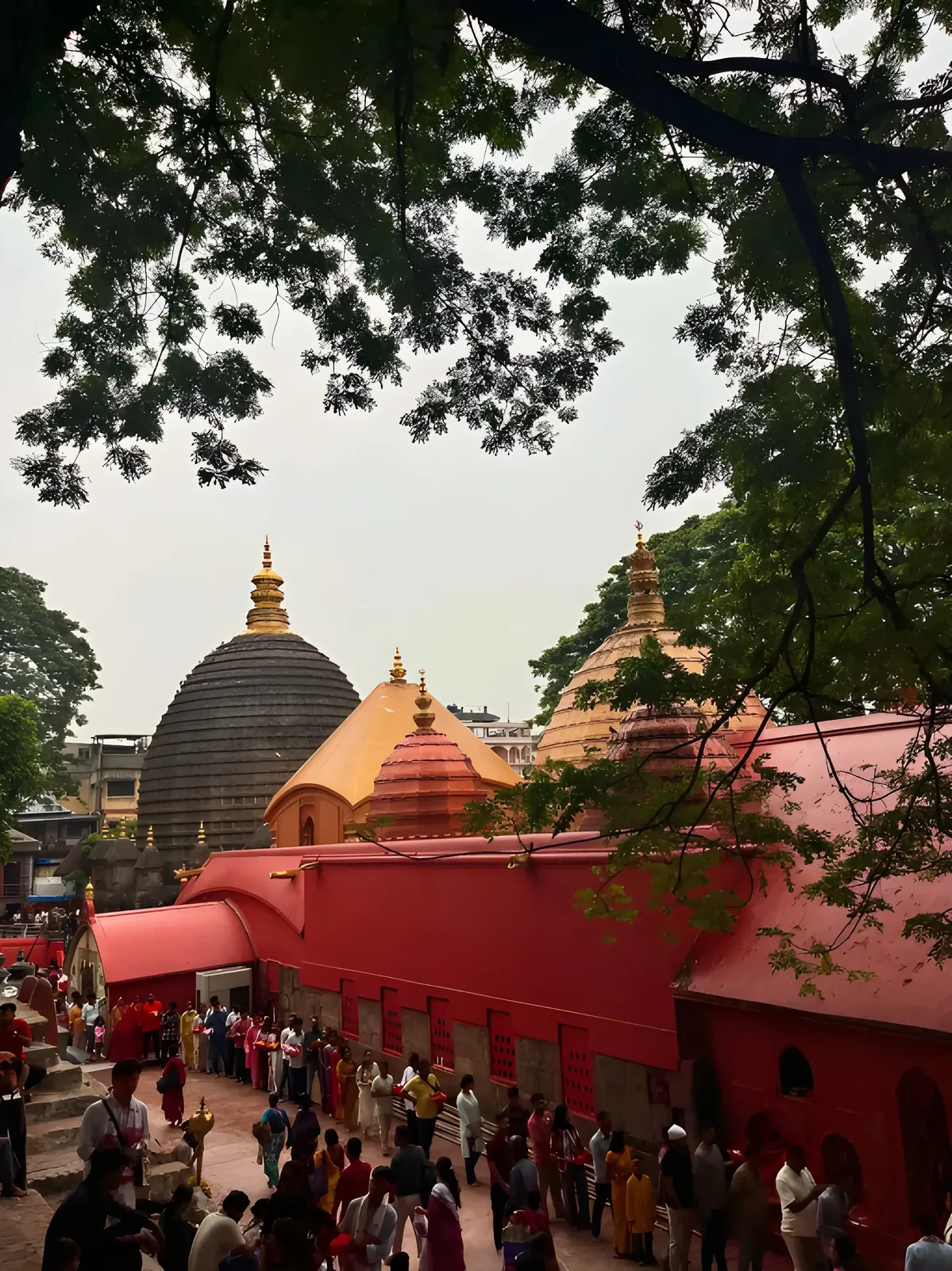
Your Guwahati adventure begins atop Nilachal Hill, home to the famous Kamakhya Temple, one of the most important Shakti Peethas in India. Dedicated to Goddess Kamakhya, the temple is an architectural gem with its beehive-shaped shikhara, sculpted panels, and vibrant red domes that stand out against the lush green backdrop.
Arriving early, ideally by 7 am, not only helps you avoid long queues but also allows you to experience the spiritual energy at its most serene. Pilgrims gather with flowers, coconuts, and incense, while the air is filled with chants and the sound of temple bells. Inside, the sanctum sanctorum houses a natural spring, worshipped as a symbol of feminine power.
After paying your respects, step outside for panoramic views of the Brahmaputra River and the city below. Severa l viewpoints on Nilachal Hill provide excellent photo opportunities, especially in the golden morning light. Vendors selling tea and local snacks such as ghila pitha make it easy to pause and soak in the atmosphere.
Travel Tip: The temple can get crowded during the Ambubachi Mela in June, so plan accordingly if visiting during festival season.
Afternoon of Day One: Umananda Island and Brahmaputra Riverside
From Nilachal Hill, make your way to the ferry ghat for a short but scenic ride to Umananda Island, often called Peacock Island because of its shape. This is the smallest inhabited river island in the world, yet it holds immense cultural and natural significance. The ferry journey offers a sweeping view of the Brahmaputra River, with its vast width, gentle currents, and occasional glimpses of river dolphins.
The centrepiece of the island is the Umananda Temple, dedicated to Lord Shiva. According to legend, it was here that Lord Shiva imparted spiritual knowledge to Parvati. The temple sits on a small hillock, and reaching it involves a short climb that rewards you with views of the river from all directions.
Nature lovers will appreciate the presence of golden langurs, an endangered primate species found in very few places in the world. Though the population here is small, spotting them in their natural habitat adds a special charm to the visit.
After returning to the mainland, spend some time along the Brahmaputra riverside promenade. The area is dotted with tea stalls and shaded benches where you can watch fishing boats and ferries glide across the water. If you’re visiting during winter, the riverbanks are often alive with migratory birds, making it a peaceful spot for birdwatching.
Travel Tip: The last ferry to the island usually departs by late afternoon, so plan your visit accordingly.
Evening of Day One: Alfresco Grand Cruise and Assamese Dining
As the sun dips low, head back to the riverfront for the Alfresco Grand Cruise, one of Guwahati’s most memorable experiences. Choose between the sunset cruise, where you can watch the sky shift through hues of gold and crimson, or the dinner cruise, which combines sightseeing with cultural performances.
Onboard, you’ll enjoy live music and Assamese folk dances while passing illuminated ghats and the shimmering city skyline. The sight of the Saraighat Bridge lit up against the evening sky is especially captivating from the water.
Once your cruise concludes, it’s time to indulge in Assamese cuisine. For a traditional spread, try Paradise, known for its authentic Assamese thali complete with rice, tenga (sour fish curry), khar (alkaline curry), and bamboo shoot pork. If you prefer a more modern dining experience, Guwahati also offers several fusion restaurants that blend Assamese flavours with continental styles.
End your night with a cup of laal saah (red tea) or a locally brewed rice beer if you’re open to trying regional beverages.
Morning of Day Two: Assam State Museum and Dighalipukhuri Lake
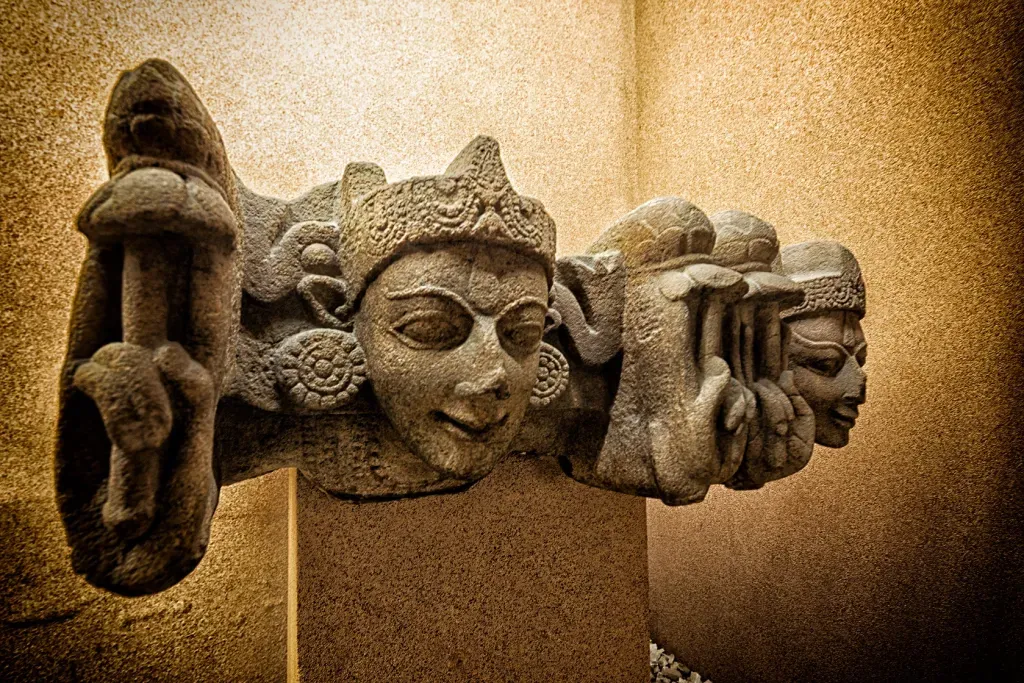
Start your second day in Guwahati with a cultural deep dive at the Assam State Museum. Established in 1940, it houses a rich collection of artefacts from across Assam and the Northeast, including sculptures, manuscripts, tribal textiles, and ancient coins. The ethnographic section offers fascinating insights into the traditional lifestyles of different Assamese communities, while the art gallery displays centuries-old paintings and carvings.
A guided tour is worth considering if you want to fully appreciate the historical context of each exhibit. Even without one, the well-organised layout makes it easy to explore at your own pace.
Just a short walk away is Dighalipukhuri Lake, a rectangular water body believed to have been part of an ancient fort moat. Today, it is a recreational space offering paddle boating and shaded walking paths. The tree-lined surroundings make it a peaceful place to relax after your museum visit.
Travel Tip: Both the museum and lake are located in central Guwahati, so this part of the itinerary is easy to fit in without long commutes.
Afternoon of Day Two: Basistha Ashram and Garbhanga Reserve Forest
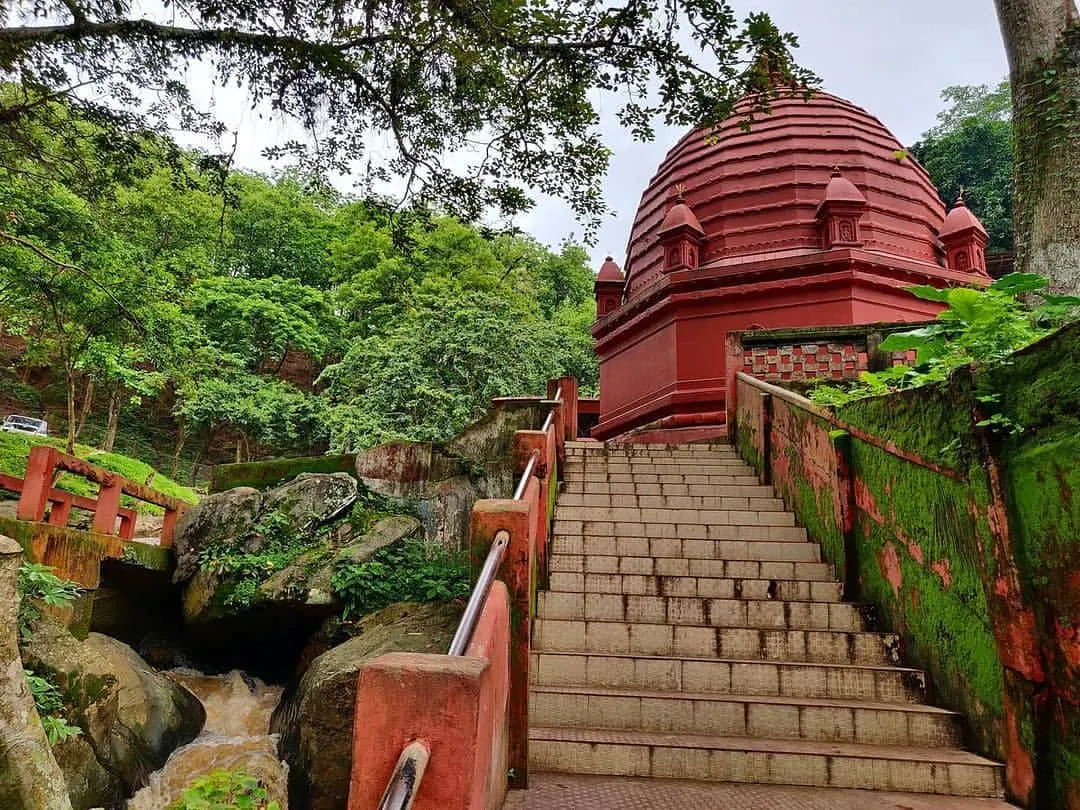
In the afternoon, head towards the southeastern edge of the city to explore Basistha Ashram, a serene pilgrimage site steeped in mythology. According to legend, it was established by the sage Basistha and is associated with stories from the Ramayana. The ashram complex includes a stone temple dedicated to Lord Shiva, natural springs, and the Basistha River flowing through a rocky valley. The gentle sound of rushing water and the surrounding forested hills make it a refreshing escape from the urban buzz.
Nearby lies the Garbhanga Reserve Forest, a paradise for nature lovers. This lush green belt is home to over 200 species of butterflies, as well as a variety of birds and orchids. It is an excellent spot for trekking, birdwatching, and nature photography. The trails are generally easy to moderate, making them accessible for most visitors.
Travel Tip: If visiting the reserve, carry sufficient water, wear sturdy shoes, and avoid littering to preserve the delicate ecosystem.
Evening of Day Two: Fancy Bazaar Shopping and Street Food Trail
End your 48-hour journey with a dive into Guwahati’s vibrant market culture at Fancy Bazaar, often called the “Chandni Chowk of the Northeast.” Its maze-like lanes are packed with shops selling Assamese silk, bamboo handicrafts, jewellery, spices, and aromatic tea. Bargaining is common, and the market’s lively energy makes shopping here as much about the experience as the purchases.
After picking up souvenirs, immerse yourself in the local street food scene. Start with steaming momos or spicy egg rolls, followed by sweet jalebis or laru (coconut balls). In winter, roadside vendors serve roasted peanuts and warm tea, making for a perfect street-side snack.
For a quieter end to the evening, nearby rooftop cafés offer views over the bustling streets below and the distant glow of the Brahmaputra.
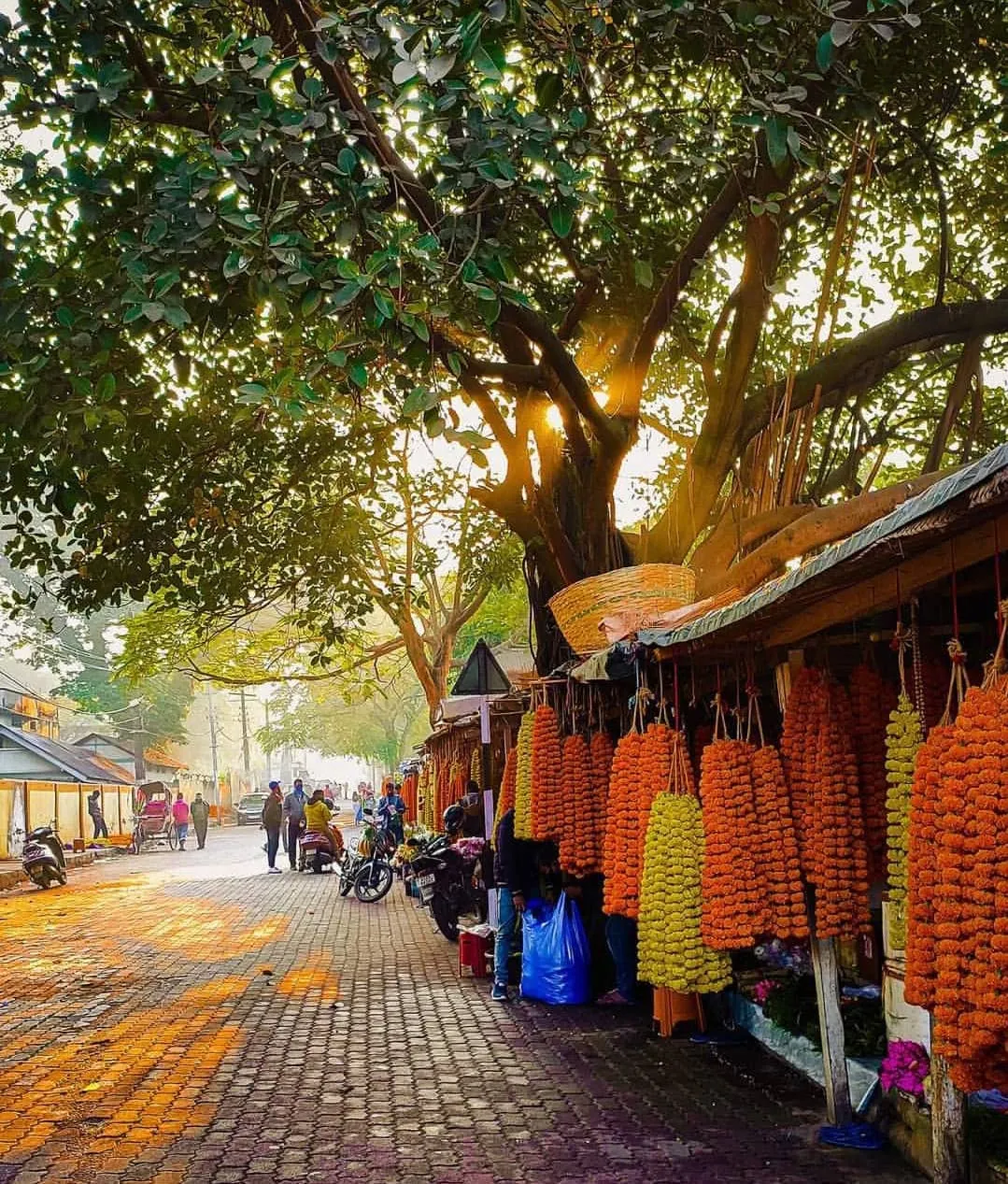
Local Food Experiences and Where to Try Them
Guwahati’s food culture is a reflection of Assam’s diversity, offering everything from humble roadside stalls to high-end restaurants. Traditional Assamese cuisine is best experienced at restaurants like Paradise or Heritage Khorikaa, where a thali includes rice, dal, khar, tenga, bamboo shoot curry, pitika (mashed potato), and chutneys.
For those who love exploring local flavours in a casual setting, street markets like Pan Bazaar and Beltola serve a variety of snacks such as pani puri, chowmein, and Assamese-style chow chow. If you’re interested in regional brews, some eateries serve traditional rice beer, a staple in many tribal communities.
Coffee enthusiasts can explore Guwahati’s growing café scene, with outlets like 11th Avenue Café Bistro offering freshly brewed coffee alongside pastries and continental snacks.
Travel Tip: While most places are safe for tourists, always check food freshness when buying from street vendors.
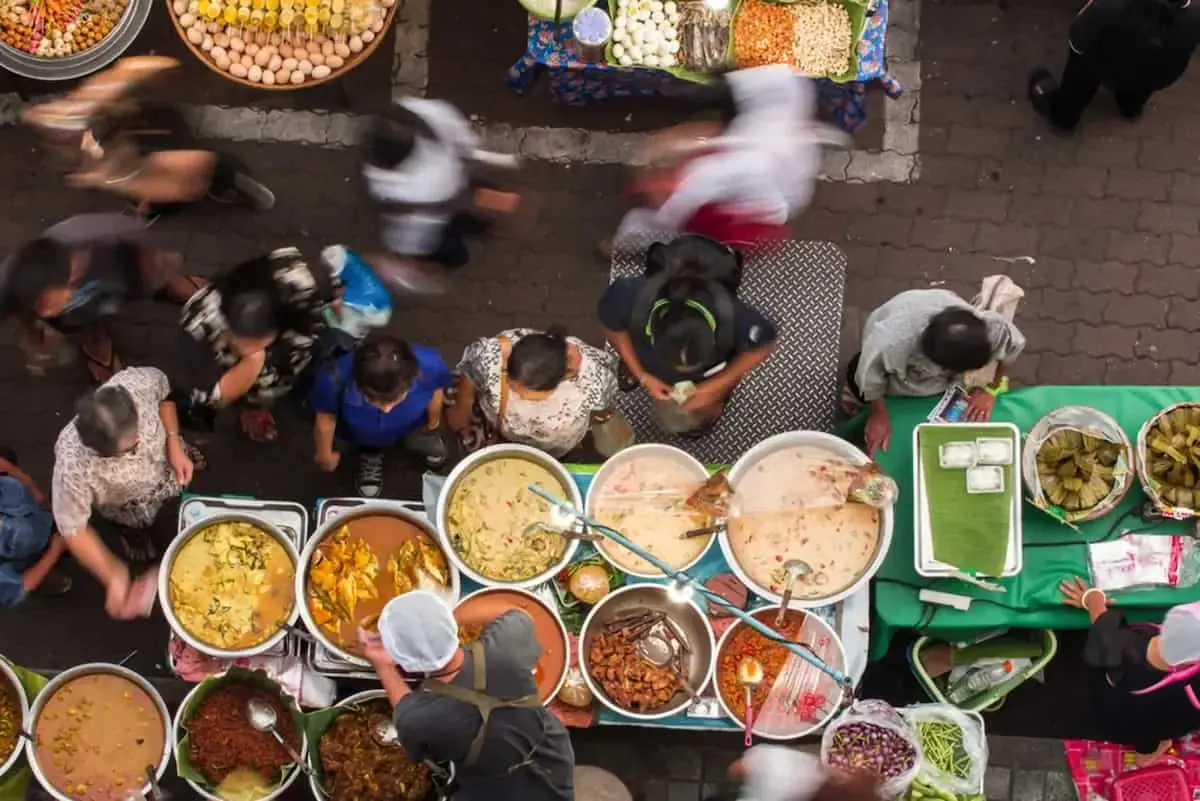
Best Viewpoints and Photography Spots in Guwahati
For travellers keen on capturing Guwahati’s beauty, there is no shortage of photogenic spots. Nilachal Hill offers sweeping views of the city and Brahmaputra River, especially during sunrise. The Saraighat Bridge is a striking subject when illuminated at night, while the banks of Deepor Beel are perfect for capturing reflections of the sky and flocks of migratory birds.
During winter, the ferry rides to Umananda Island offer misty river views that make for memorable photographs. Even the bustling streets of Fancy Bazaar, with their riot of colours and textures, present opportunities for candid urban photography.
Photography Tip: The best time for outdoor shots is early morning or late afternoon when the light is soft and golden.
Conclusion: Making the Most of Your Guwahati Trip
Exploring things to do in Guwahati in just 48 hours may seem ambitious, but the city’s compact layout and accessible attractions make it possible to enjoy a diverse range of experiences in a short time. From the spiritual calm of Kamakhya Temple to the lively markets of Fancy Bazaar, every moment here offers something unique.
Guwahati is more than just a stopover to other destinations in Northeast India; it is a destination worth discovering for its rich blend of culture, history, and natural beauty. Plan your days carefully, keep some time for spontaneous detours, and let the rhythm of the city guide you.
When you leave, it will not just be with souvenirs but with the sounds of temple bells, the taste of local delicacies, and the image of the Brahmaputra flowing endlessly under the open Assamese sky.