
Visa, Permits, and Travel Tips for Visiting Northeast India
Essential travel tips for Northeast India, learn about visas, inner line permits, and planning advice to explore this untouched paradise with ease.
Table of contents
- 1 Introduction
- 2 Visa Requirements for Northeast India
- 3 Understanding the Inner Line Permit (ILP)
- 4 States That Require ILP or Other Permits
- 5 How to Apply for ILP (Online & Offline)
- 6 Protected Area Permits (PAP) & Restricted Area Permits (RAP)
- 6.1 Areas Requiring PAP or RAP
- 6.2 How to Apply
- 7 Entry and Exit Points
- 8 Transport and Connectivity Tips
- 8.1 By Air
- 8.2 By Rail
- 8.3 By Road
- 9 Safety and Travel Etiquette
- 9.1 Travel Safety
- 9.2 Cultural Sensitivity
- 9.3 Environmental Responsibility
- 10 Essential Travel Tips and Final Checklist
- 11 Conclusion
Introduction
Northeast India is a mesmerising region of misty mountains, ancient tribes, and untouched natural beauty. From the living root bridges of Meghalaya to the monasteries of Arunachal Pradesh, it promises a culturally rich and geographically diverse experience. However, planning a trip to this region requires a bit more preparation compared to other parts of India, especially when it comes to visas and permits. This guide simplifies the essentials to help both Indian and foreign travellers navigate the process smoothly.
Visa Requirements for Northeast India
For Indian Nationals
Indian citizens do not need a visa to travel within Northeast India, but certain states may require an Inner Line Permit (ILP), which is separate from visa documentation.
For Foreign Nationals
Foreigners require an Indian visa to enter the country, but no separate regional visa is needed for the Northeast. However, some states require Protected Area Permits (PAP) or Restricted Area Permits (RAP). These are typically necessary for border regions due to security and environmental concerns. Most tourists opt for a standard e-Tourist Visa, which can be obtained online before arrival in India.
Important Tip: Always ensure your passport is valid for at least six months from your date of arrival, and carry multiple copies of your visa and ID when travelling internally.
Understanding the Inner Line Permit (ILP)
The ILP is a government-issued travel document required by Indian citizens to enter certain protected states in the Northeast. Originally introduced by the British under the Bengal Eastern Frontier Regulation Act of 1873, the ILP aims to safeguard indigenous communities and control the influx of tourists and migrants.
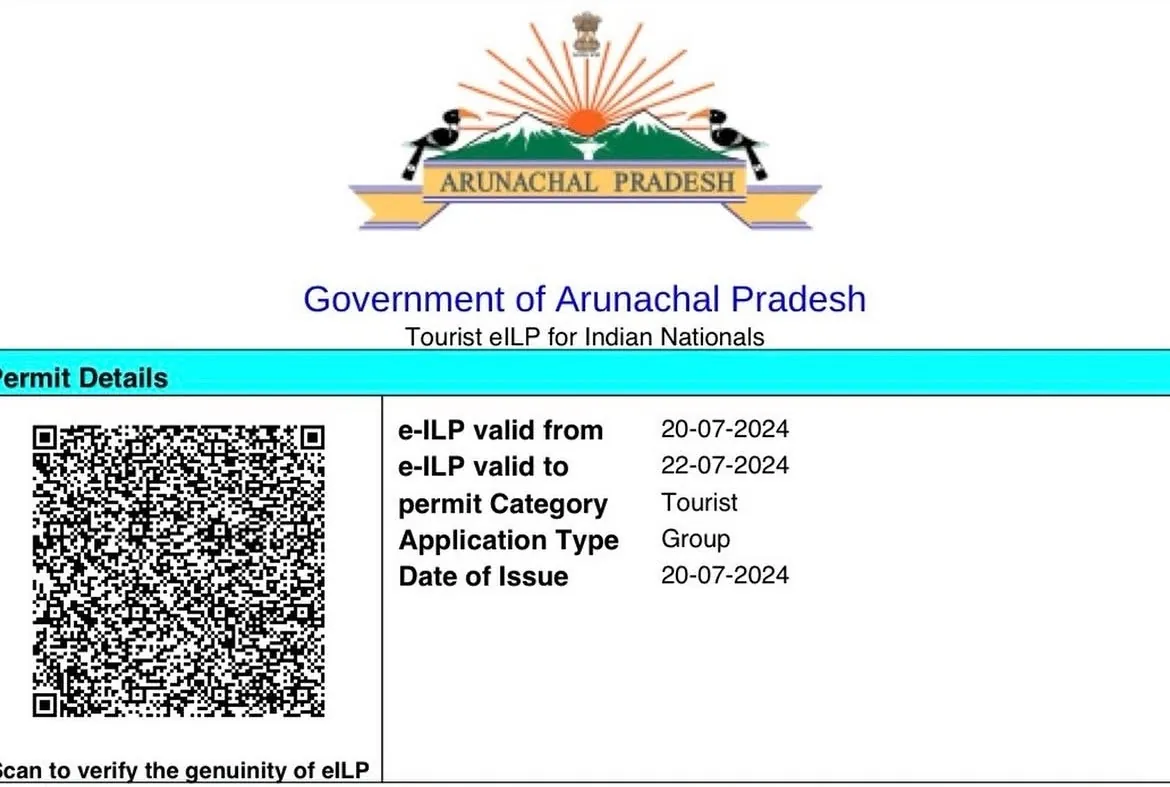
This permit is mandatory to regulate entry, and it applies to both leisure and work-related travel. Foreign nationals are exempt from ILP but may still need special permits, depending on the region they are visiting.
The ILP is state-specific and must be obtained for each ILP-restricted state individually.
States That Require ILP or Other Permits
If you’re planning to explore Northeast India, make note of the following ILP-restricted states:
- Arunachal Pradesh: ILP required for Indian citizens; PAP for foreign nationals
- Nagaland: ILP required for Indian citizens and Foreign nationals.
- Mizoram: ILP required for Indian citizens and Foreign nationals.
- Manipur: ILP required for Indian citizens and Foreign nationals.
- Sikkim: No ILP, but RAP is required for certain border areas for both Indian citizens and Foreign nationals.
Meghalaya, Assam, and Tripura do not require ILP for Indian citizens or foreigners, although carrying ID proof is recommended.
How to Apply for ILP (Online & Offline)
Online Application
Most states have digitised the ILP application process:
- Arunachal Pradesh: https://www.arunachalilp.com
- Nagaland: https://ilp.nagaland.gov.in
- Mizoram: https://ilp.mizoram.gov.in
- Manipur: https://manipurilponline.mn.gov.in
Documents required:
- Government-issued photo ID (Aadhaar, Driving Licence, Passport)
- Passport-sized photo
- Travel itinerary
Offline Application
Travellers can also apply for permits at:
- State Government liaison offices in major cities like Delhi, Kolkata, Guwahati
- Designated entry points/check posts
Validity & Cost
ILPs are usually valid for 15 to 30 days, and fees range from ₹50 to ₹200. Extensions may be possible, but approval is subject to the discretion of local authorities.
Protected Area Permits (PAP) & Restricted Area Permits (RAP)
While Inner Line Permits are for Indian citizens, foreign nationals need Protected Area Permits (PAP) or Restricted Area Permits (RAP) for specific regions, especially those close to international borders.
Areas Requiring PAP or RAP
- Arunachal Pradesh: PAP required for all foreigners. Group travel (minimum 2 people) is usually mandated.
- Sikkim (Certain border zones): RAP required for places like Nathula Pass and Tsomgo Lake.
- Parts of Manipur and Mizoram: May occasionally need RAP, depending on the travel advisory.
How to Apply
PAP/RAP can be obtained through:
- Ministry of Home Affairs, New Delhi
- Indian Missions abroad
- Registered travel agents authorised by the state government
Fee & Validity: Approximately $50 (or around ₹4,200) and is valid for a maximum of 30 days
Entry and Exit Points
Travelling across state borders in Northeast India often means navigating checkpoints and entry logs, especially if you’re carrying an ILP or PAP.
Key Entry Points for Permit States:
- Arunachal Pradesh:
- Bhalukpong (from Assam, entry to West Kameng and Tawang)
- Seijosa (entry to Pakke and East Kameng)
- Ruksin (for Pasighat in East Siang)
- Banderdewa & Gumto (for Itanagar in Papum Pare)
- Kimin (for Ziro in Lower Subansiri)
- Dirak Gate (for Namsai and nearby areas)
- Shantipur Gate (for Roing in Lower Dibang Valley)
- Nagaland:
- Dimapur Airport
- Kohima
- Mizoram:
- Vairengte (from Assam)
- Manipur:
- Mao Gate (from Nagaland)
- Jiribam (from Assam)
Always carry printed copies of your permits to present at checkpoints, digital copies are not always accepted in remote regions.
Transport and Connectivity Tips
Northeast India is stunning but logistically complex. Here’s how to navigate it efficiently:
By Air
- Major airports: Guwahati (Assam), Dibrugarh (Assam), Hollongi (Itanagar, Arunachal Pradesh), Shillong (Meghalaya), Imphal (Manipur), Dimapur (Nagaland), Aizawl (Mizoram), and Lengpui (Mizoram).
- Limited flights to smaller destinations: best to use Guwahati or Dibrugarh as your base.
By Rail
- Guwahati, Dibrugarh, Silchar, and Dimapur are well-connected by train.
- Arunachal Pradesh has a new railhead at Naharlagun (near Itanagar).
By Road
- NH-27 and NH-2 connect most northeastern states.
- Roads can be narrow and prone to landslides: always check local advisories during monsoon.
Tip: Pre-book cabs for remote travel, as ride-hailing apps work poorly in interior areas.
Safety and Travel Etiquette
Travel Safety
- The region is generally safe, but always register your details at police stations when required.
- Avoid border areas without official permission, especially near Myanmar and China.
Cultural Sensitivity
- Dress modestly in tribal areas and when visiting religious sites.
- Ask before photographing locals: many tribes have spiritual restrictions regarding images.
- Follow local customs, especially around alcohol, meat, or rituals.
Environmental Responsibility
- Avoid littering in eco-sensitive zones.
- Carry reusable water bottles and bags: single-use plastic is banned in many states.
Essential Travel Tips and Final Checklist
Before setting off to explore Northeast India, here’s a final checklist to ensure a smooth and responsible trip:
- Government-issued ID (for Indians)
- Passport and valid Indian visa (for foreigners).
- Printed copies of ILPs/PAPs/RAPs as applicable.
- Multiple passport-sized photographs.
- Copies of hotel bookings and return travel tickets (sometimes required for permits).
- Carry basic medication: pharmacies can be scarce in remote areas.
- Get travel insurance that includes emergency evacuation (especially for trekking or visiting remote zones).
- Check for required vaccinations, especially for rural travel.
- Network availability is patchy in hill regions.
- Airtel and Jio have the widest coverage.
- Download offline maps and keep physical ones as backup.
- Respect local communities and their customs
- Don’t carry or use plastic where banned
- Support local businesses and artisans
- Travel in small groups to minimise environmental strain
Conclusion
Northeast India offers a magical blend of pristine nature, deep-rooted cultures, and unmatched serenity. But its unique geography and socio-political history mean that extra preparation is key: especially when it comes to permits, connectivity, and respectful travel. Whether you’re hiking through Dzukou Valley or exploring Ziro’s tribal rhythms, remember: your journey leaves a footprint. Let it be a light, responsible, and positive one.