
When to Visit Arunachal Pradesh: Complete Seasonal Guide for Travelers
Wondering when to visit Arunachal Pradesh? Here's your seasonal travel guide with weather tips, festivals, permits & ideal time for every type of traveller.
Table of contents
- 1 Introduction
- 2 Best Time to Visit Arunachal Pradesh (Quick Summary)
- 3 Spring (March to April): Blooming Valleys and Pleasant Adventures
- 4 Summer (May to June): High Altitude Escapes & Cultural Immersion
- 5 Monsoon (July to September): Lush Landscapes but Unpredictable Roads
- 6 Autumn (October to November): Clear Skies and Festival Vibes
- 7 Winter (December to February): Snowy Getaways and Remote Escapes
- 8 Ideal Season Based on Traveller Type
- 9 Festivals to Plan Your Trip Around
- 10 Conclusion: When Should You Visit Arunachal Pradesh?
Introduction
Nestled in the eastern Himalayas, Arunachal Pradesh is a mesmerising blend of untouched landscapes, tribal cultures, and spiritual sanctity. But when is the best time to truly experience its magic? With dramatic elevation changes and varying climates, choosing the right season is essential to enjoying everything from rhododendron-filled valleys to snow-capped mountain passes. This guide breaks down each season in detail to help you decide when to visit Arunachal Pradesh: whether you’re a culture-seeker, trekker, or casual traveller looking for nature’s quiet beauty.
Best Time to Visit Arunachal Pradesh (Quick Summary)
Arunachal Pradesh has a diverse and region-specific climate due to its varied topography, ranging from subtropical lowlands to alpine peaks. Temperatures can range from 5°C in Tawang during winter to 35°C in the lower valleys during peak summer. This variation means packing and planning must be tailored to your travel month and destinations.
If you’re looking for a quick answer: October to April is generally considered the best time to visit Arunachal Pradesh.
- October to November (Autumn): Crisp air, clear skies, and festival season, a favourite among tourists. Ideal for sightseeing, photography, and attending local festivals like Torgya and Siang River Festival. Clear skies and dry weather make travel easy.
- March to April (Spring): Temperate and colourful, with blooming flowers and ideal trekking weather. Perfect for trekking, birdwatching, and witnessing the blooming rhododendrons in areas like Dirang and Ziro.
- December to February (Winter): Cold and snowy in the north, mild in the valleys; perfect for snow lovers. Best for snow-covered landscapes and winter festivals. However, some high-altitude passes (like Sela) may be blocked due to snow.
- May to June (Early Summer): Warmer months, especially in the lower altitudes, but still pleasant in hill regions. Good for visiting places like Bomdila and Mechuka before the rains start.
- July to September (Monsoon): Heavy rainfall, landslides, and roadblocks are common, making travel unpredictable. Generally discouraged due to frequent landslides, road closures, and poor visibility.
Each season offers something unique, so your ideal time really depends on your travel priorities, adventure, culture, or just serene nature.
Spring (March to April): Blooming Valleys and Pleasant Adventures
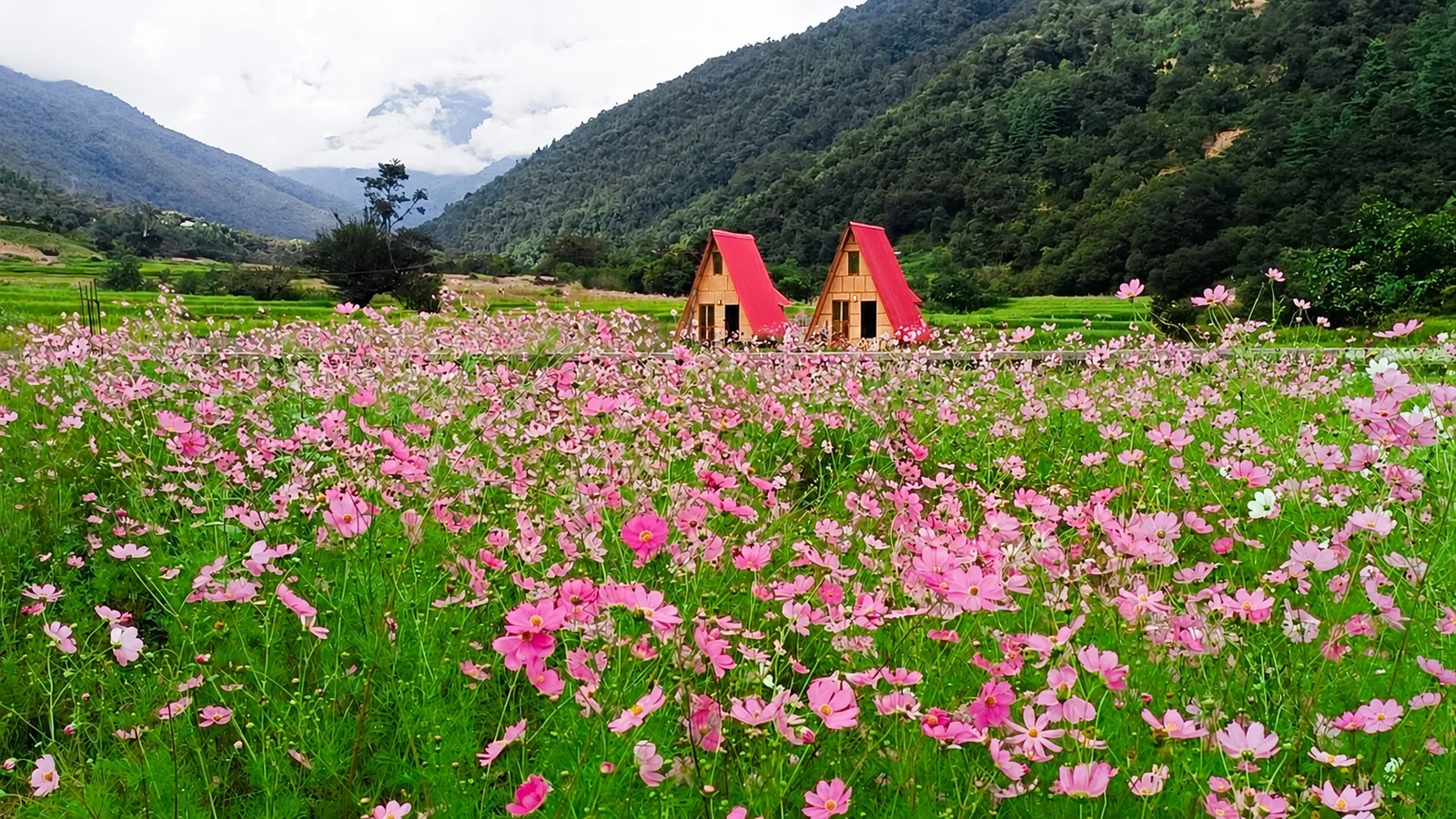
Spring is one of the most scenic and traveller-friendly seasons in Arunachal Pradesh. As the last traces of winter melt away, valleys like Ziro, Dirang, Mechuka, and further east, Dibang Valley, burst into colour with blooming rhododendrons, orchids, and lush greenery. The temperatures range between 12°C to 22°C, making it ideal for nature walks, trekking, and outdoor exploration.
Key experiences in Spring:
- Trekking in Dirang and Tawang with snow still visible on higher passes like Sela.
- Exploring Ziro Valley, especially for nature photography and local village visits.
- Sangti Valley near Dirang is known for black-necked cranes that linger until early spring.
- Heading east to Anini in Dibang Valley, where the Seven Lakes Trek unveils pristine alpine beauty.
- Catching the first light of India from Dong village, or visiting Kaho and Kibithu, India’s easternmost settlements.
- The weather is clear and dry, offering some of the best views of the eastern Himalayas.
For adventure travellers and birdwatchers, this is perhaps the most rewarding time to visit. Local markets also come alive with fresh produce, and the region feels fresh and vibrant without the crowd surge seen during festival seasons.
Summer (May to June): High Altitude Escapes & Cultural Immersion
While the lower parts of India heat up during May and June, Arunachal Pradesh offers a cool escape, especially in its mid and high-altitude towns. Summer temperatures range from 15°C to 30°C, depending on the altitude, with hill towns remaining quite pleasant.
Top destinations in Summer:
- Bomdila and Tawang are both great in early summer, with accessible roads and comfortable weather.
- Mechuka becomes a lush green paradise with long daylight hours.
- Namdapha National Park, one of India’s richest biodiversity zones, is still accessible before the monsoon hits.
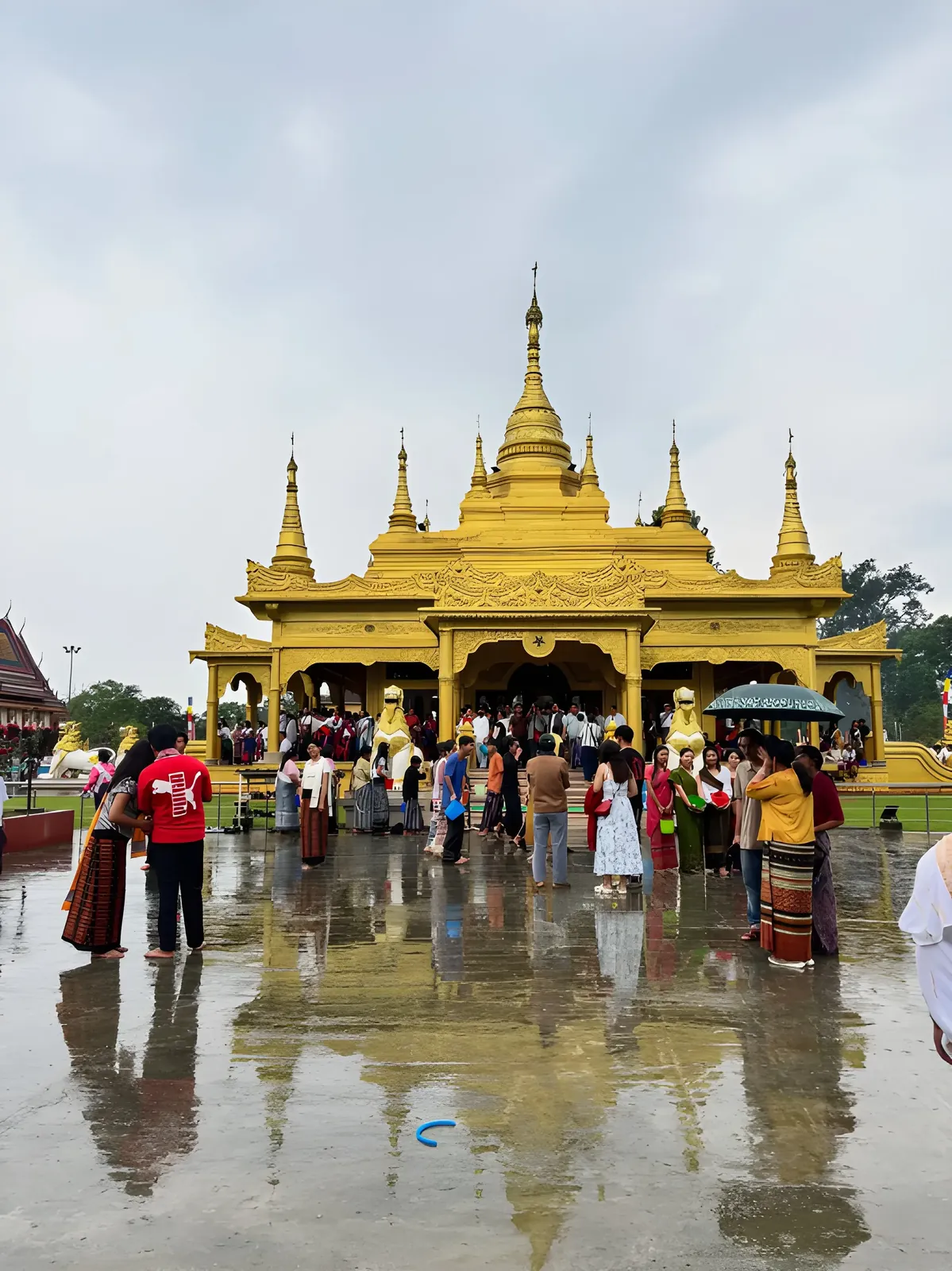
- Eastern Arunachal offers serene summer getaways: Parasuramkund near Tezu becomes a spiritual and natural attraction, while Namsai’s Golden Pagoda shines amidst the greenery.
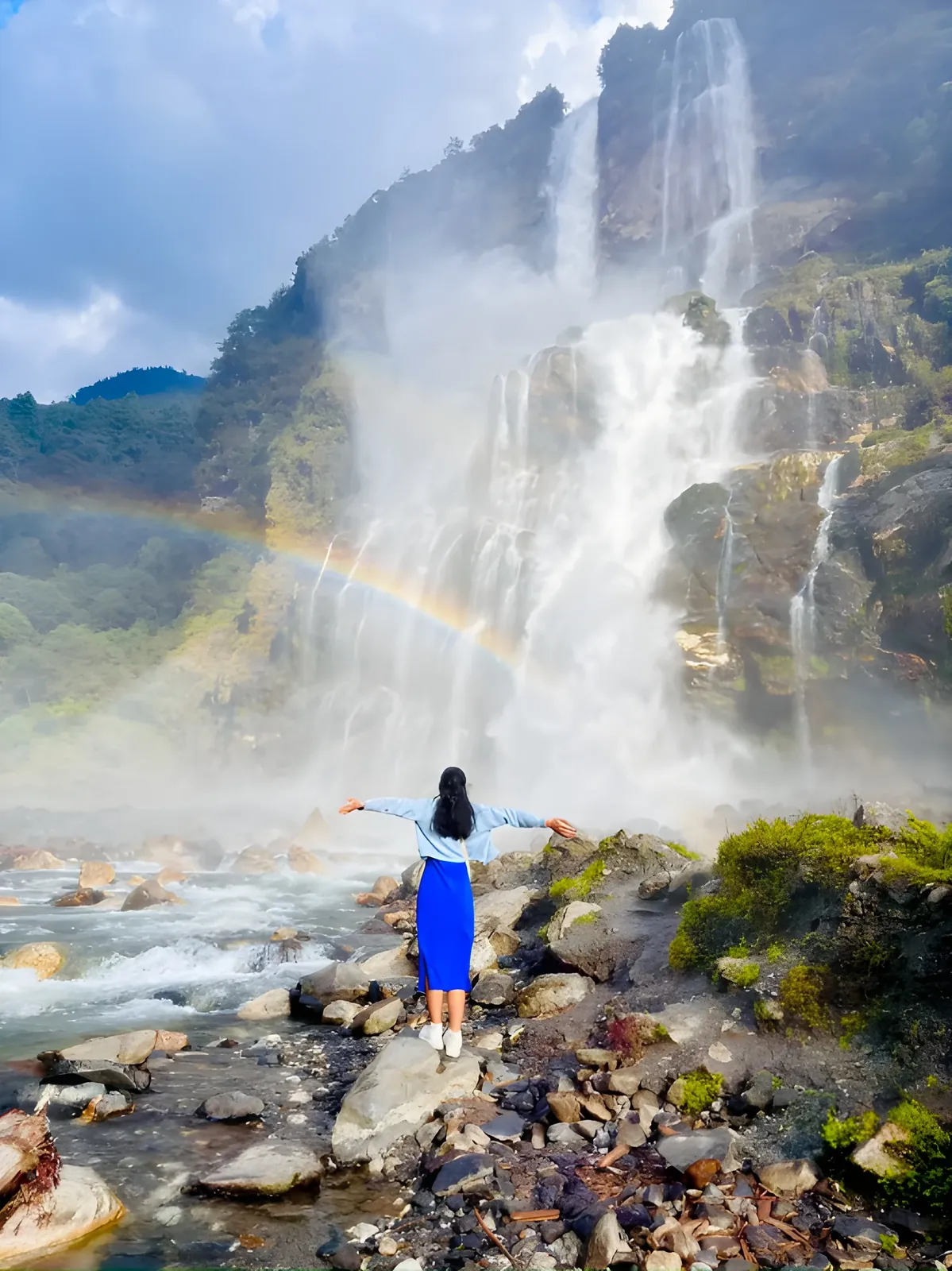
This season is suitable for families and casual travellers looking to enjoy scenic drives, monasteries, and nature with fewer weather disruptions. However, as June progresses, pre-monsoon showers begin to affect travel, especially in the eastern parts like Roing and Tezu. Roads may occasionally face delays due to landslides or waterlogging, so flexibility in plans is advised.
If you’re planning to visit during summer, aim for early May and keep your itinerary light in June. Always check weather updates before venturing into remote regions.
Monsoon (July to September): Lush Landscapes but Unpredictable Roads
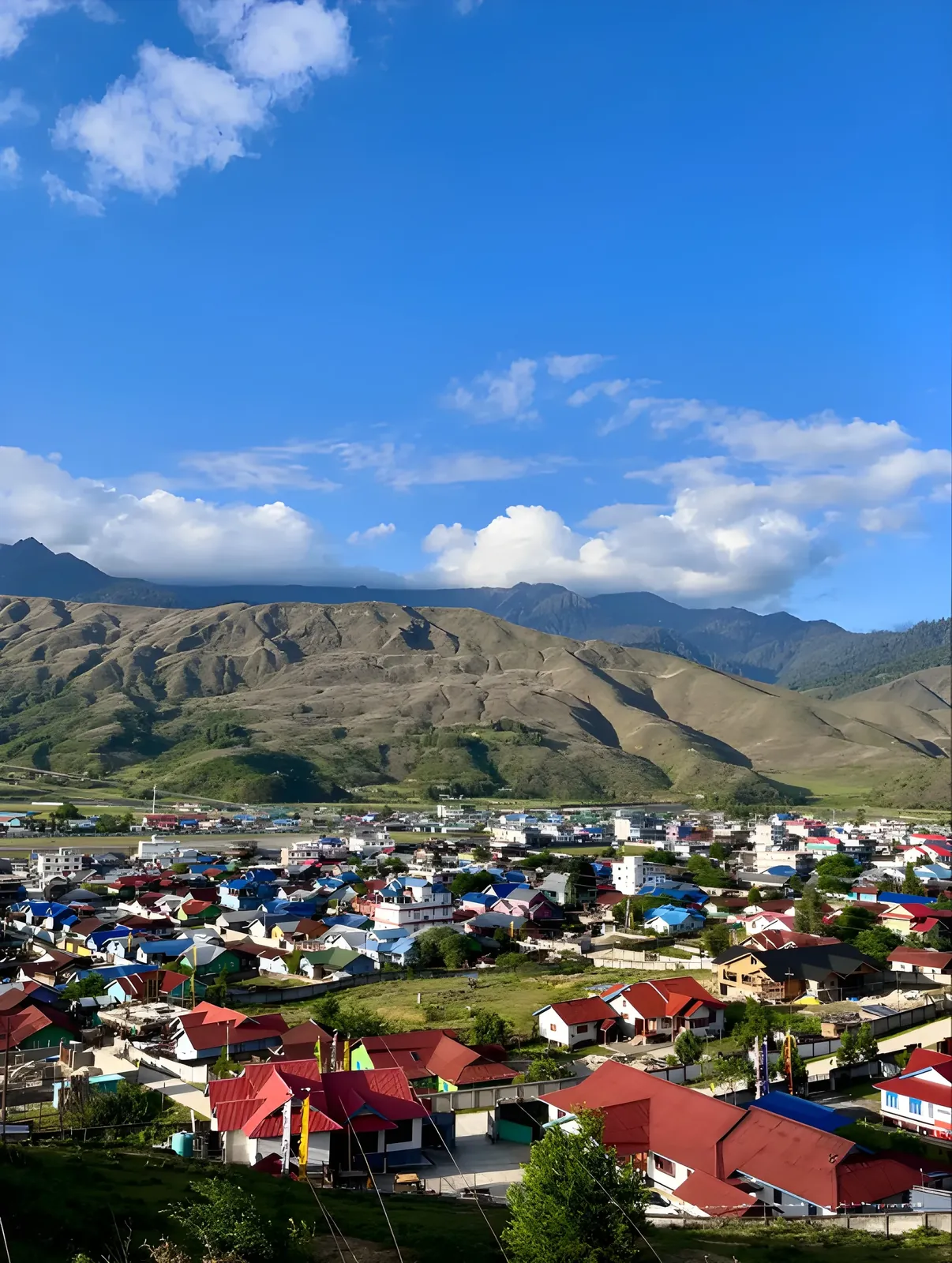
Monsoon transforms Arunachal Pradesh into a vibrant, emerald canvas. The rain breathes life into the forests, rivers swell, and waterfalls like Nuranang Falls and Bap Teng Kang are at their most majestic. However, it comes with a caution.
Key aspects of Monsoon travel:
- Expect frequent and heavy rainfall, especially in regions like Itanagar, Roing, and Pasighat.
- Landslides and roadblocks are common in hilly terrain; roads to places like Tawang or Mechuka may become temporarily inaccessible.
- Wildlife reserves such as Namdapha may close due to safety concerns and flooding.
Despite the travel challenges, monsoon appeals to those looking for solitude and offbeat adventures. The landscape is dreamlike, mist-covered and serene. Photographers and eco-travellers often brave the rains for the rare atmospheric beauty.
If you do travel during this time:
- Always carry rain gear, extra provisions, and buffer days.
- Opt for lower-altitude destinations where roads remain relatively functional.
- Book homestays that offer support during road delays.
Monsoon is best reserved for seasoned travellers familiar with Northeast terrain or those with flexible schedules.
Autumn (October to November): Clear Skies and Festival Vibes
Autumn is widely considered the best time to visit Arunachal Pradesh. The weather is crisp, skies are clear, and the forests wear shades of gold and amber. With the monsoon washed away, this season offers excellent road conditions and travel comfort.
Top reasons to visit in Autumn:
- Attend major cultural events like Tawang Festival and Ziro Music Festival.
- Visit Sela Pass, Tawang Monastery, and Ziro Valley under clear blue skies.
- It’s the perfect time for motorbike road trips, trekking, and wildlife spotting.
- In Eastern Arunachal, Dong village becomes especially rewarding, imagine witnessing the very first sunrise of India in autumn’s golden clarity.
- The Seven Lakes Trek near Anini is at its prime post-monsoon, with sparkling alpine lakes framed by fresh snow dustings.
- Namsai’s Golden Pagoda often hosts local festivities, offering cultural immersion with clear skies for travel.
Temperatures range from 8°C to 20°C, making it comfortable for day-long sightseeing and travel across regions. Autumn is also when locals prepare for winter, harvesting, festivals, and fairs fill the calendar.
This is peak season, so plan in advance. Accommodation near popular spots like Ziro and Tawang fills up quickly. Book stays and permits at least 2–3 weeks ahead. With minimal rain and snow, you can cover multiple regions, from the eastern biodiversity hotspots to the western Himalayan circuits, without interruption.
Winter (December to February): Snowy Getaways and Remote Escapes
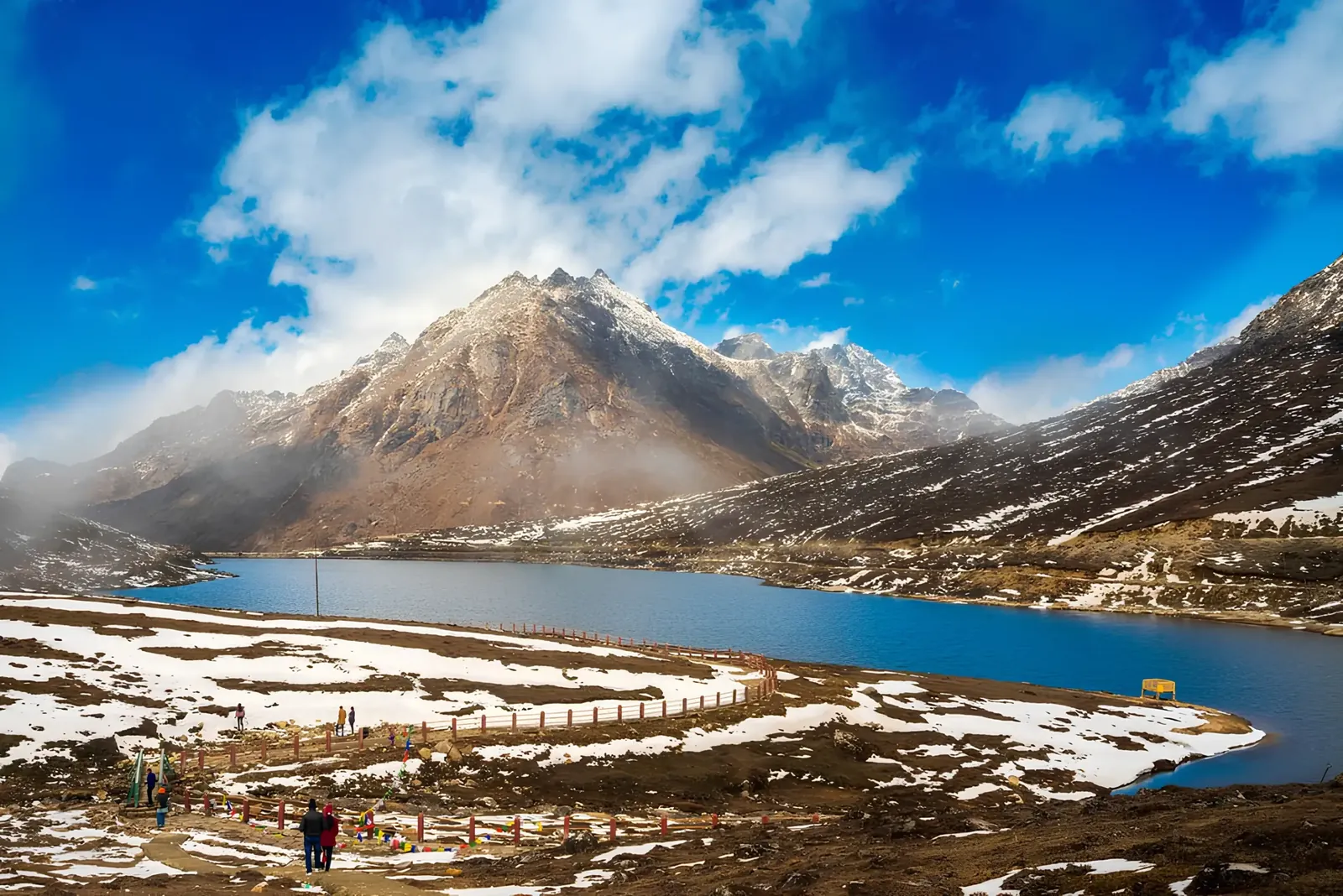
Winter paints Arunachal Pradesh in pristine whites and icy blues, especially in the western regions like Tawang, Bomdila, and Dirang. Snowfall transforms high-altitude destinations into surreal winter escapes, ideal for snow lovers, photographers, and adventure seekers.
Highlights of winter travel:
- Witness heavy snowfall at Sela Pass, Tawang, and Zemithang.
- Perfect time to experience Losar, the Tibetan New Year, celebrated with great fervour in Monpa-dominated areas.
- Daytime temperatures hover between 5°C–12°C; nights can drop below freezing.
- In Dibang Valley, Anini’s landscapes turn stark and dramatic, rewarding for seasoned trekkers who can handle the chill.
- Parasuramkund near Tezu becomes the heart of January’s Makar Sankranti pilgrimage, drawing visitors from across India to its icy waters.
- Lower valleys like Roing and Namsai remain accessible, offering birdwatching, monastery visits, and cultural stays when higher passes are snowbound.
While the beauty is undeniable, so are the challenges:
- Road closures are common due to snow, particularly in and around Sela Pass.
- Permits take longer to process, and it’s crucial to check road conditions in advance.
- Travel insurance and warm clothing are non-negotiable: sub-zero nights and frostbite risk are real.
If you dream of snow-covered monasteries and quiet Himalayan sunrises, winter in Arunachal is magical, and if you venture east, the mix of frozen rivers, pilgrim gatherings, and quiet border hamlets makes for an even rarer experience.
Ideal Season Based on Traveller Type
Backpackers:
For budget travellers and backpackers, spring (March–April) and autumn (October–November) are ideal. These shoulder seasons offer relatively dry weather, fewer tourists, and moderate prices. Accommodation is more readily available, and transportation remains reliable, especially in towns like Ziro, Bomdila, and Tawang.
Families:
The best time for families is May to June, when school holidays coincide with Arunachal’s pleasant early summer weather. The hills are green, temperatures are mild (15–25°C), and roads are relatively stable. Destinations like Dirang and Tawang are family-friendly, with sightseeing, monasteries, and gentle walks.
Trekkers & Adventure Seekers:
Spring (March–April) and autumn (late September–November) are perfect for high-altitude trekking and adventure sports. Trails like the Bailey Trail, Mechuka circuit, and Talley Valley trek are open and safe, with good visibility and blooming landscapes.
Wildlife & Nature Enthusiasts:
Wildlife lovers should plan a trip during March to May, when parks like Namdapha, Pakke Tiger Reserve, and Eaglenest Sanctuary are lush and teeming with activity. Birdwatching is at its peak, and animal sightings are more frequent near water sources.
Festivals to Plan Your Trip Around
Arunachal Pradesh is a cultural mosaic, and timing your visit around festivals adds richness to your journey. Here are key festivals by season:
- Losar (February–March): Celebrated by Monpa tribes in Tawang and West Kameng, it marks the Tibetan New Year with rituals, dances, and traditional feasts.
- Mopin (April): Celebrated by the Galo tribe in Aalo, this festival seeks blessings for a good harvest. Expect tribal dances, rice beer, and ceremonial white powder.
- Solung (September): An important festival of the Adi tribe in Pasighat and surrounding areas. It celebrates agriculture, animal sacrifice rituals, and cultural performances.
- Dree (July): An Apatani festival celebrated in Ziro, offering prayers for agricultural prosperity. Though during the monsoon, it’s worth experiencing if you’re already in the area.
- Tamladu (February): Celebrated by the Mishmi tribe in Lohit district, dedicated to the Earth and local deities for protection and harmony.
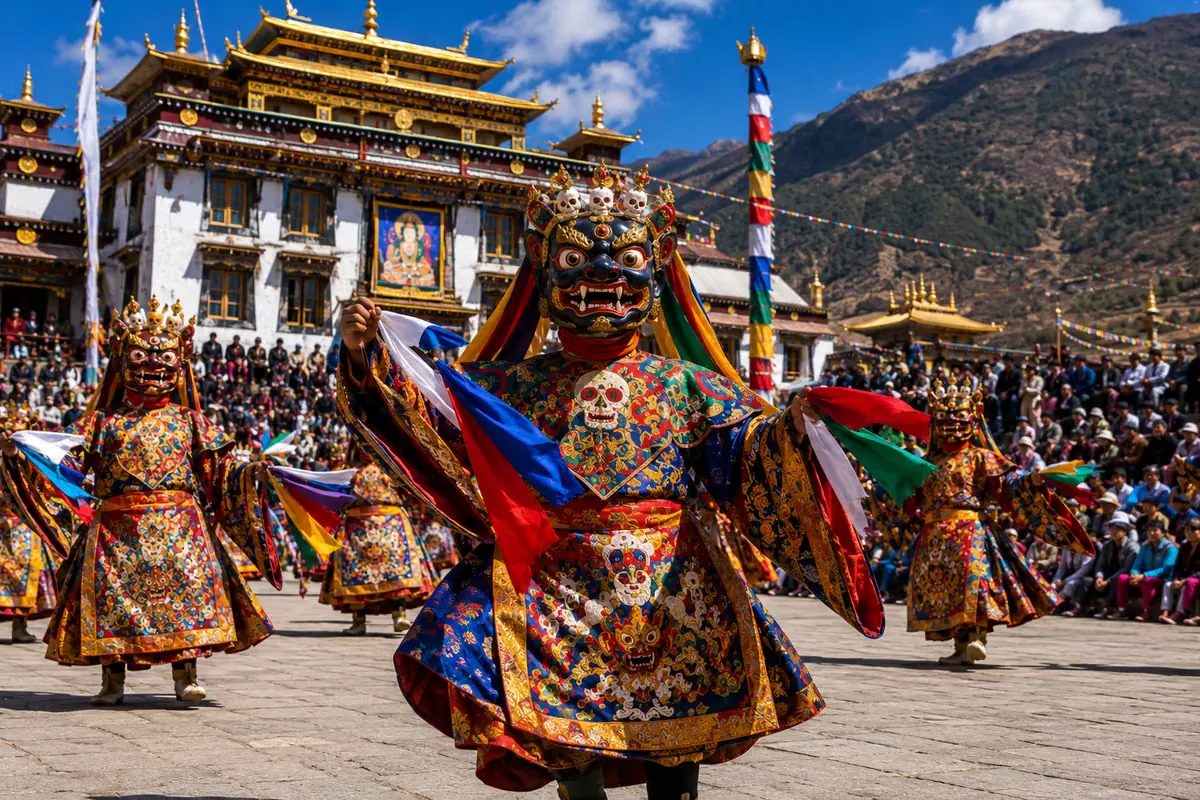
Visiting during festivals offers unique opportunities to engage with local communities, taste traditional food, and witness tribal dance forms rarely seen elsewhere.
Conclusion: When Should You Visit Arunachal Pradesh?
So, when is the best time to visit Arunachal Pradesh? It depends on what you seek.
- For culture and festivals, October to November is ideal, with perfect weather and rich cultural immersion.
- For lush green landscapes and solitude, brave travellers might opt for the monsoon months (July–September).
- Spring and summer (March–June) are best for nature lovers, birdwatchers, and families.
- Winter (December–February) invites snow chasers and adventurers to its alpine trails and frosty monasteries.
Each season offers a different flavour: from bustling harvest festivals to peaceful, mist-draped treks. The key lies in matching your interests with the region’s changing rhythms.
Regardless of the month, Arunachal Pradesh rewards thoughtful travellers. Plan ahead, respect local customs, and travel sustainably, and you’ll discover one of India’s most soulful and untouched destinations.