
Top 10 Offbeat Places in Northeast India You’ve Never Heard Of
Discover 10 offbeat places in Northeast India, from secluded valleys to untouched villages, perfect for curious travellers seeking rare adventures.
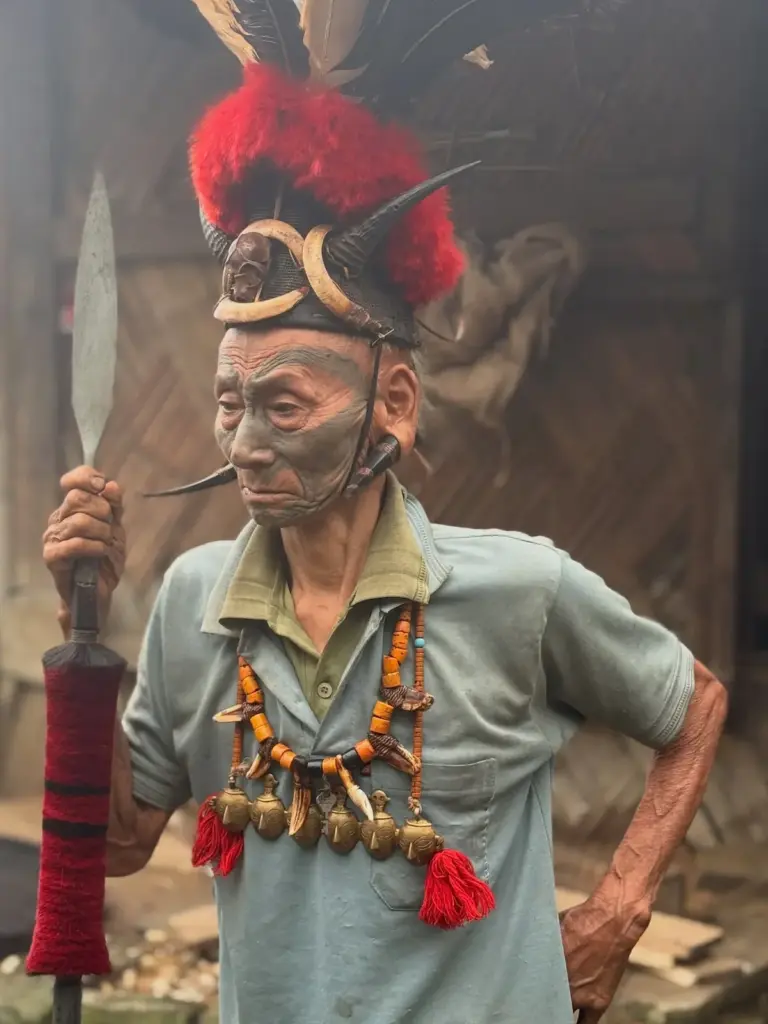
Table of contents
- 1 Introduction
- 2 Dong Valley, Arunachal Pradesh: India’s First Sunrise
- 3 Longwa Village, Nagaland: A Village in Two Countries
- 4 Mawlyngot, Meghalaya: The Cleanest Tea Village
- 5 Majuli, Assam: World’s Largest River Island & Cultural Soul of the Brahmaputra
- 6 Mechuka, Arunachal Pradesh: Remote Beauty Near the China Border
- 7 Kongthong Village, Meghalaya: The Whistling Hamlet of the Khasis
- 8 Ziro Valley’s Pine Grove, Arunachal Pradesh: Beyond the Festival
- 9 Anini & Dibang Valley, Arunachal Pradesh: Frontier of Solitude and Wilderness
- 10 Thembang Village, Arunachal Pradesh: A Fortified Hamlet with Monpa Heritage
- 11 Travel Tips for Exploring Offbeat Northeast India
- 12 Conclusion
Introduction
The Northeast of India remains one of the least explored yet most enchanting parts of the country. Beyond the well-trodden trails of Shillong, Gangtok, or Kaziranga lies a world of hidden hamlets, mist-covered mountains, and ancient tribal cultures that few travellers get to experience. For those craving something different, serene landscapes, cultural immersion, and travel stories worth telling, this list of offbeat places in Northeast India is your starting point.
Whether you’re a seasoned explorer or a curious wanderer, prepare to be surprised by the region’s underrated gems.
Dong Valley, Arunachal Pradesh: India’s First Sunrise
Located in the easternmost corner of India, Dong Valley in Arunachal Pradesh is the very first place in the country to witness sunrise every day. Tucked away near the tri-junction of India, China, and Myanmar, this valley is accessible via a trek from Walong and rewards travellers with a view like no other, the golden dawn breaking over untouched mountains.
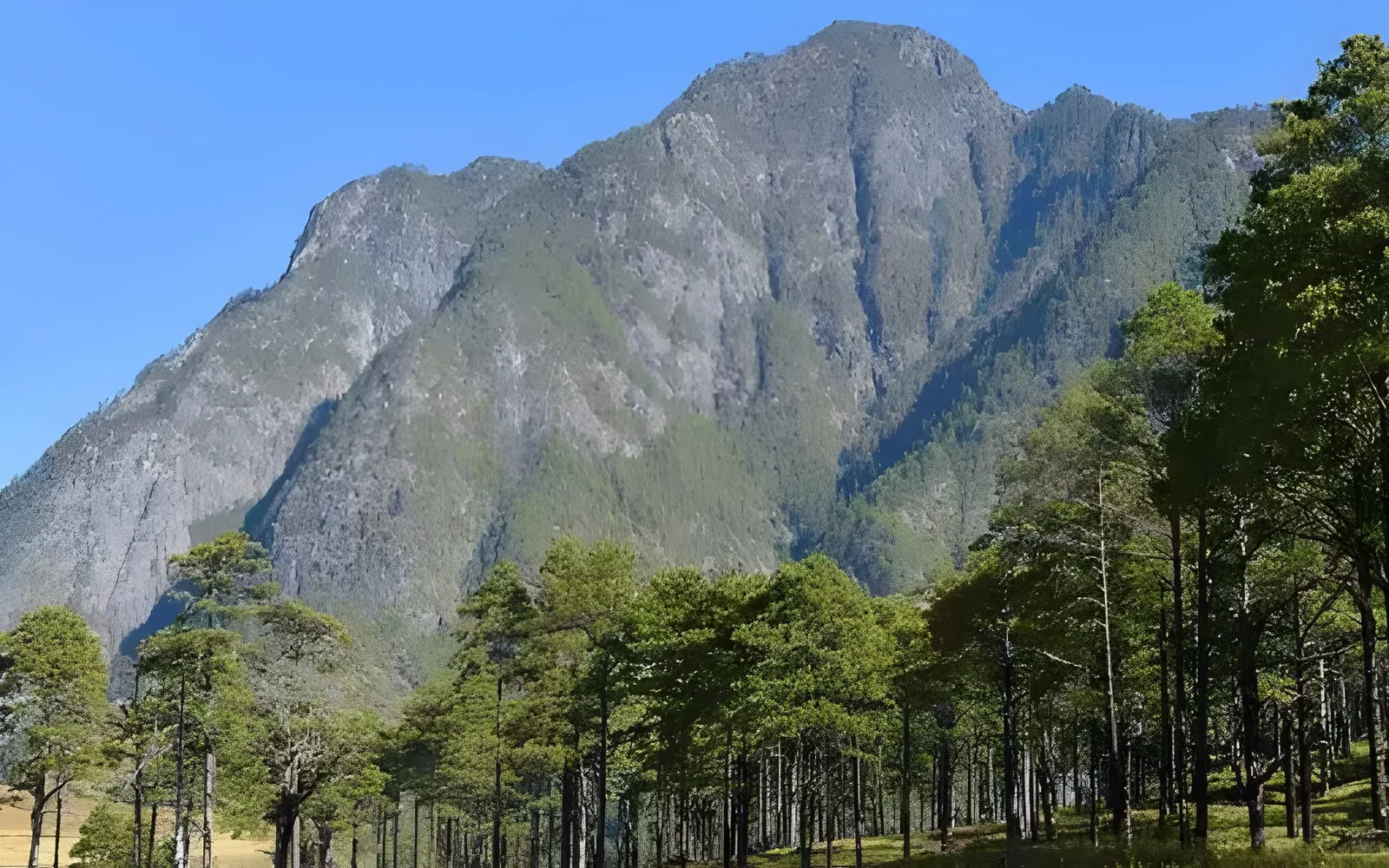
What makes Dong truly special is not just its geographic position but its raw, untouched beauty. With no mobile network and basic homestays, this is where silence speaks and nature takes over. The valley also offers insights into the lives of local tribes who live in close harmony with nature.
Longwa Village, Nagaland: A Village in Two Countries
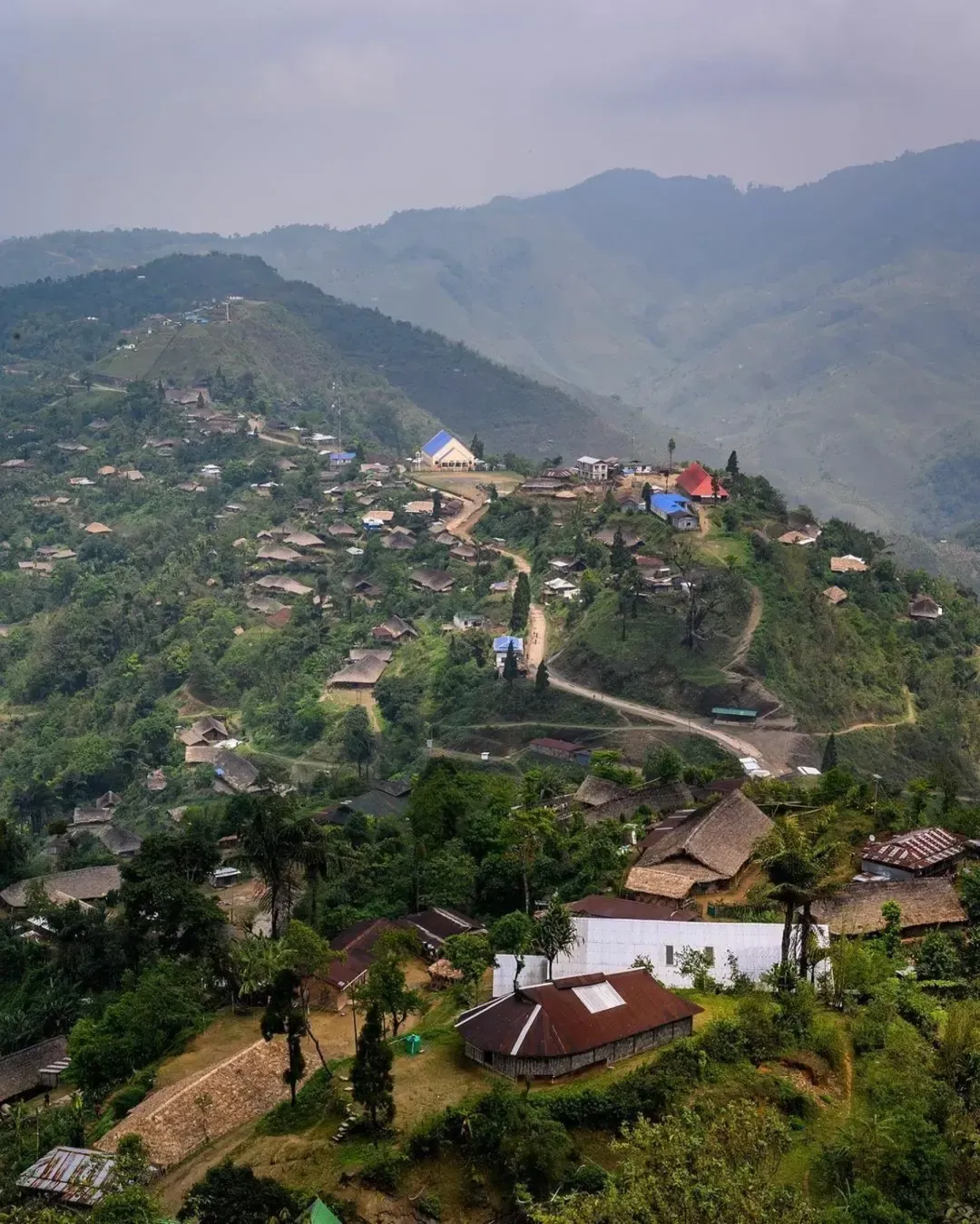
Longwa is a captivating village in Mon district, Nagaland, where borders blur, quite literally. Half of the village (and even the village chief’s house) lies in India, and the other half in Myanmar. Home to the Konyak tribe, known for their once-feared headhunting legacy, the village is a cultural wonder. Traditional longhouses, tribal tattoos, and handcrafted guns tell stories of a fierce yet proud heritage. Visitors can walk freely between the two countries and even meet the Angh (chief) who controls over 70 villages spread across both nations. Longwa offers a rare chance to witness a tribal culture thriving in a land with no fences.
Mawlyngot, Meghalaya: The Cleanest Tea Village
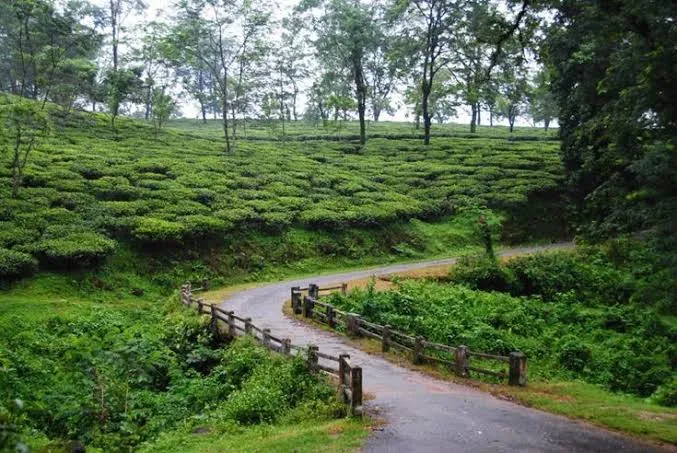
Tucked away in the East Khasi Hills of Meghalaya, Mawlyngot is a pristine hamlet renowned not only for its natural beauty but also for its model cleanliness and organic tea cultivation. Surrounded by rolling hills, the village offers panoramic views and a peaceful environment ideal for slow, mindful travel. What makes Mawlyngot special is its transformation, led by the villagers themselves, into one of the cleanest villages in the region, following in the footsteps of Mawlynnong. Visitors can explore the quaint tea gardens, sip locally grown brew, and hike along scenic trails that wind through hills and streams. It’s a shining example of sustainable tourism rooted in community pride.
Majuli, Assam: World’s Largest River Island & Cultural Soul of the Brahmaputra
Cradled by the mighty Brahmaputra, Majuli is the world’s largest river island and the cultural heart of Assam. Often overlooked by those rushing to Kaziranga or Shillong, the island offers a rare blend of natural beauty and living heritage. Lush paddy fields, wetlands teeming with migratory birds, and rustic bamboo houses set the backdrop, but what truly sets Majuli apart are its centuries-old Vaishnavite Satras (monastic institutions).
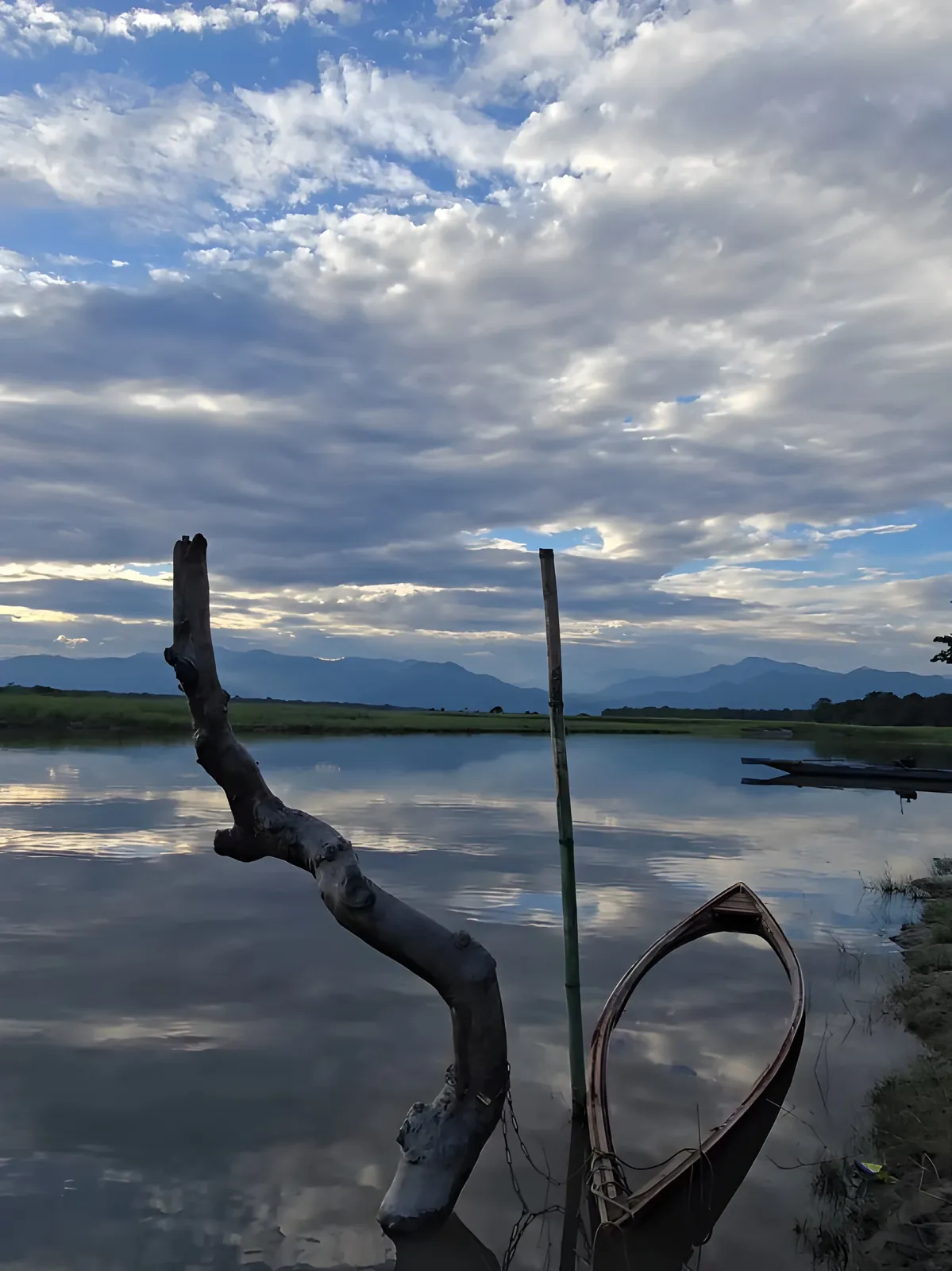
Best visited between October and March, when the Brahmaputra’s waters recede and the island is at its most accessible, Majuli turns into a patchwork of festivals, prayers, and village fairs. The Raas festival in November is a spectacle, mask dances, devotional songs, and theatre performances fill the island with colour and rhythm.
Unlike other river islands that erode into anonymity, Majuli feels eternal, a place where monks still practise classical dance forms, artisans sculpt masks out of clay and bamboo, and fishermen cast their nets at dawn. Staying in a homestay here isn’t just accommodation; it’s immersion into a way of life where the river dictates time. For travellers seeking both quiet landscapes and cultural depth, Majuli is an island that lingers in memory long after the ferry ride back to Jorhat.
Mechuka, Arunachal Pradesh: Remote Beauty Near the China Border
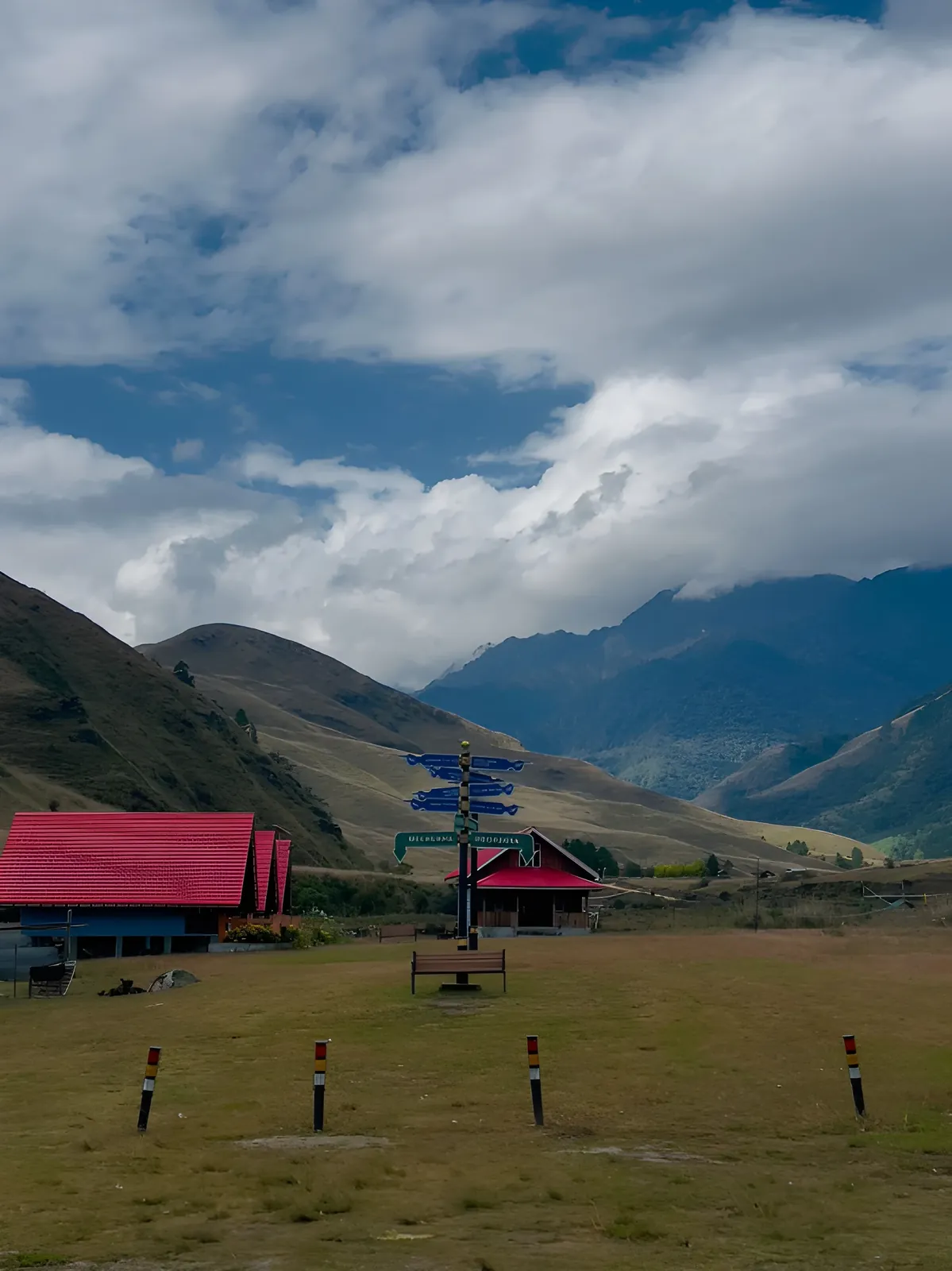
Located in the Shi-Yomi district near the India–China border, Mechuka is one of Arunachal Pradesh’s best-kept secrets. This valley town, set at an elevation of over 6,000 feet, is home to a harmonious blend of Memba Buddhist culture, dense forests, snow-capped peaks, and a turquoise river that snakes through the valley. Mechuka offers unfiltered tranquillity and raw Himalayan landscapes far from the chaos of mainstream hill stations. You can visit the 400-year-old Samten Yongcha monastery, cross hanging bridges, or simply soak in the calm of this isolated paradise. Due to its strategic location, special permits (ILP and PAP) are required, but they’re well worth the effort.
Kongthong Village, Meghalaya: The Whistling Hamlet of the Khasis
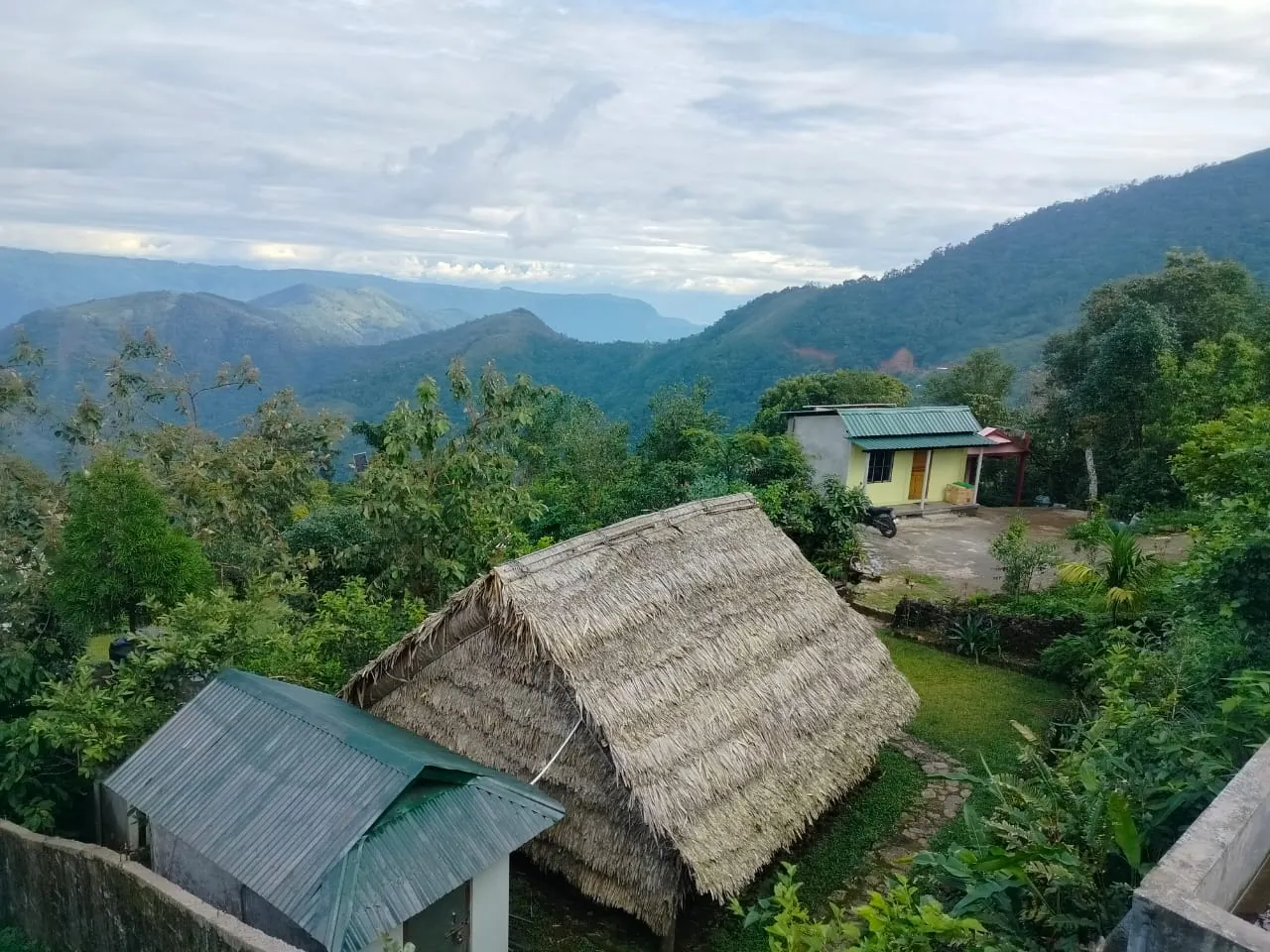
Hidden in the East Khasi Hills, Kongthong Village is unlike any other in India. Here, every resident has not just a name but a unique whistle-tune, a living tradition called jingrwai lawbei or “mother’s song.” Instead of shouting names across the fields, villagers call each other through melodies that echo in the forests.
Beyond this enchanting custom, Kongthong is a place of slow life: bamboo huts, rolling hills, and mist drifting in at dawn. Trekking trails connect it to nearby Khasi hamlets, and homestays give you a first-hand glimpse of indigenous music, food, and folklore. Best visited between October and April, the village is a cultural treasure as much as a scenic stop.
It’s rare to find a place where everyday life itself feels like a song, but in Kongthong, music really is in the air.
Ziro Valley’s Pine Grove, Arunachal Pradesh: Beyond the Festival
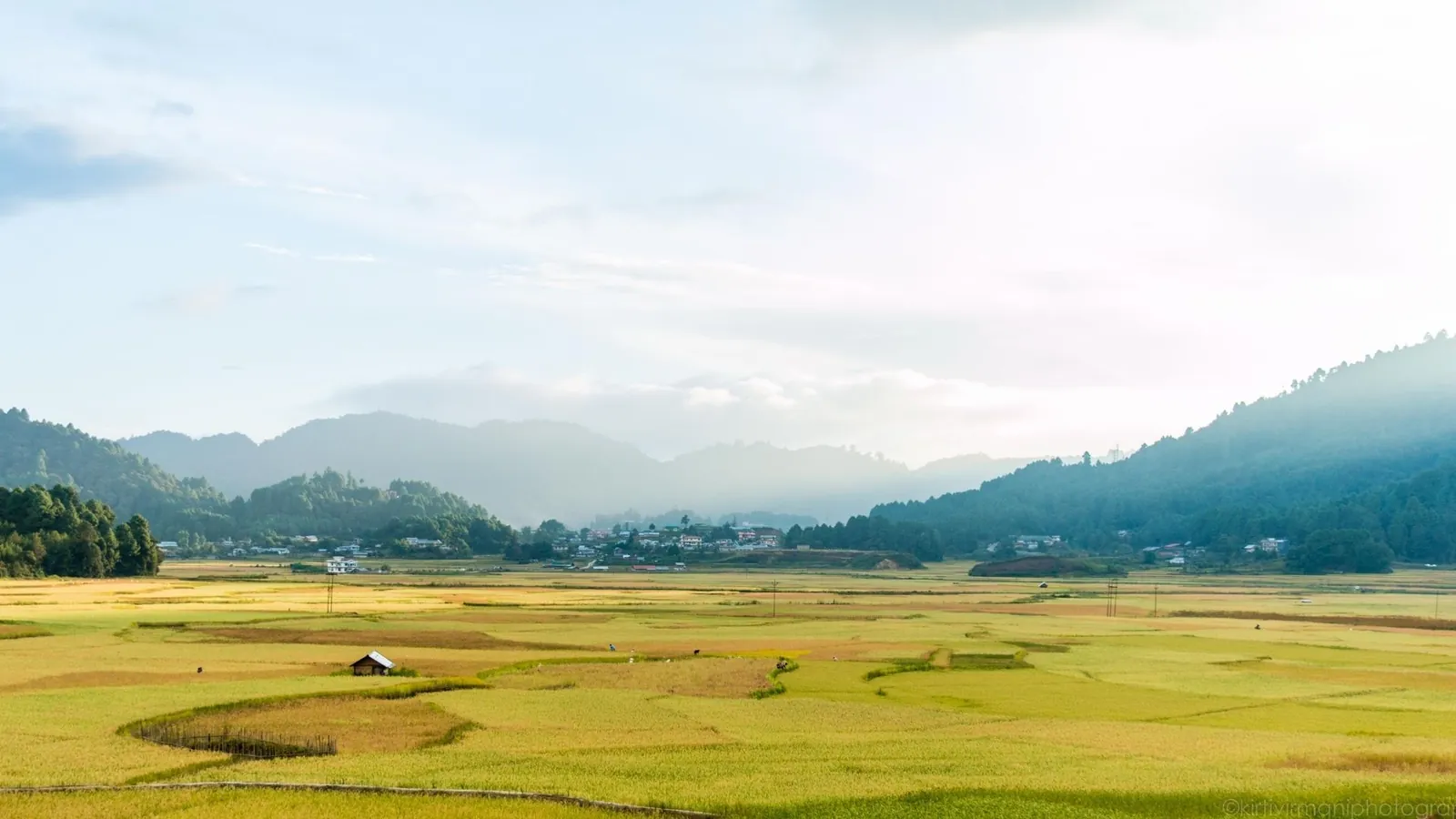
While Ziro Valley is famous for its namesake music festival, very few travellers explore the beautiful pine groves that dot its landscape. These serene, mist-covered woodlands, located near Talley Valley Wildlife Sanctuary, offer a completely different experience, one of quiet reflection and solitude. Surrounded by the traditional Apatani villages, the pine forests are perfect for picnics, photography, and long nature walks. The vibe here is far removed from the high-energy festival scene, making it ideal for those who wish to connect with Ziro’s soul in a more intimate way.
Anini & Dibang Valley, Arunachal Pradesh: Frontier of Solitude and Wilderness
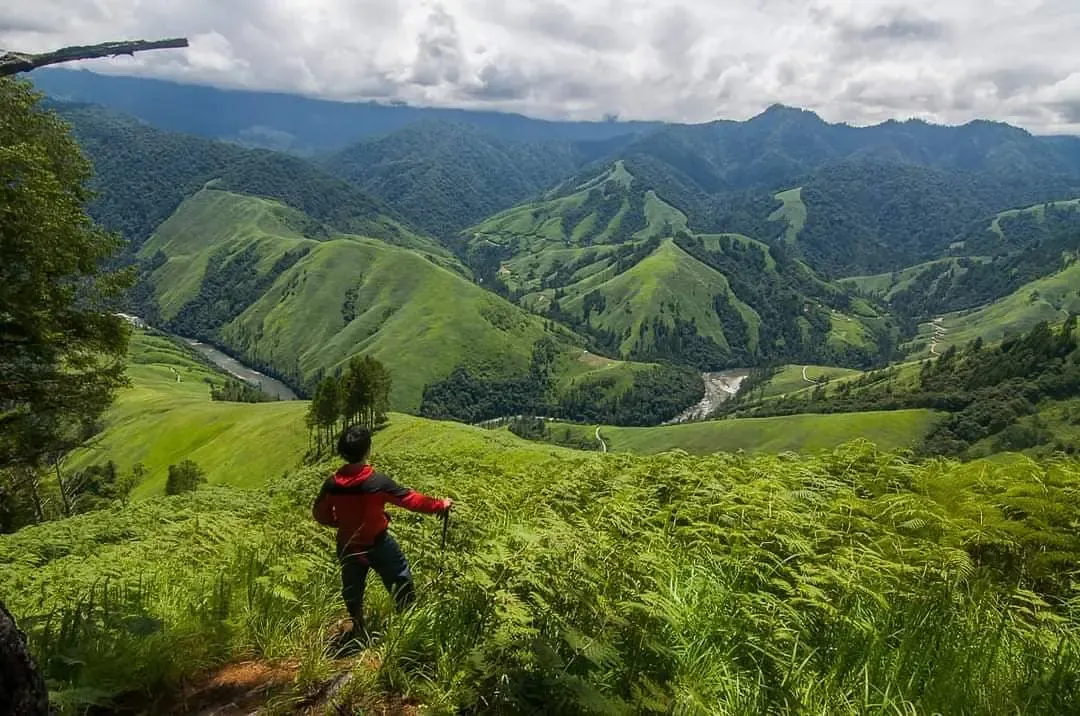
Tucked into India’s northeastern edge, Anini and the wider Dibang Valley remain among the most remote and pristine regions in the country. Towering mountains, endless forests, and rushing rivers form the backdrop here, with villages scattered sparsely across the landscape.
The valley is best known for the Seven Lakes Trek, a high-altitude journey that unveils turquoise alpine lakes amid complete wilderness. For those not trekking, the sheer isolation of Anini itself is spellbinding, mornings shrouded in mist, yak herders tending their animals, and mountains that feel impossibly close. Wildlife thrives here too: Mishmi takins, rare birds, and orchids dot the forests.
Best visited between November and April, before monsoon showers cut off access, Dibang is less a destination and more a revelation: a reminder of how wild India can still be.
Thembang Village, Arunachal Pradesh: A Fortified Hamlet with Monpa Heritage
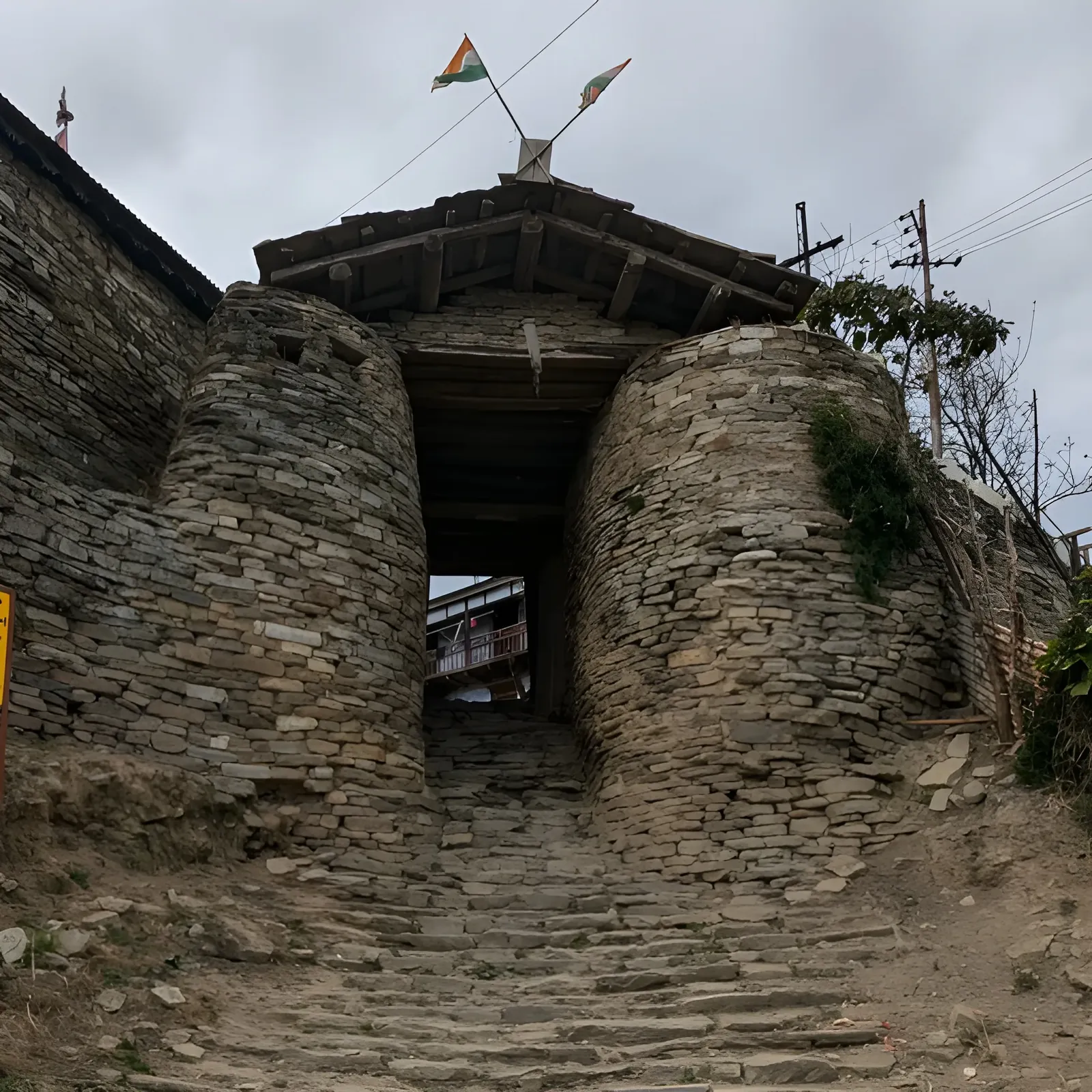
Perched at 2,300 metres in West Kameng district, Thembang Village is one of Arunachal’s oldest fortified settlements and a UNESCO tentative heritage site. Its stone walls and traditional Monpa houses speak of centuries of history, resilience, and community life in the Himalayas.
The surrounding landscape is just as striking: crisp alpine air, terraced fields, and views stretching across the eastern Himalayas. Staying here means immersing yourself in Monpa traditions, from butter tea by the hearth to local weaving practices. Best visited in autumn or spring, when skies are clear and mountain trails around Dirang are at their most welcoming.
Thembang is not just a village; it’s a living museum of Himalayan culture, guarded by its ancient walls.
Travel Tips for Exploring Offbeat Northeast India
Travelling off the beaten path in Northeast India is a rewarding experience, but it requires preparation. Here are some key travel tips:
- Permits: Many areas in Arunachal Pradesh, Nagaland, and Mizoram require an Inner Line Permit (ILP) or Protected Area Permit (PAP). Apply online in advance.
- Connectivity: Mobile and internet networks can be patchy. Download offline maps and inform your accommodation about late arrivals.
- Transport: Public transport is limited in remote areas. Hiring a local cab or joining a shared Sumo taxi is often the best way to get around.
- Local Etiquette: Respect tribal customs, dress modestly, and always ask before photographing people or ceremonies.
- Sustainability: Carry reusable water bottles, avoid plastic waste, and opt for homestays or locally owned stays to support communities.
Conclusion
Northeast India is a land of untamed beauty, deep-rooted cultures, and untold stories waiting to be discovered. These ten offbeat destinations offer a window into its soul, from alpine valleys and ancient tea villages to remote river camps and heritage hamlets. Whether you’re trekking through bamboo forests or sipping tea in a cloud-kissed village, the region promises a kind of travel that touches both heart and mind. Skip the usual routes and explore these hidden gems, where nature, peace, and authenticity await those willing to look a little deeper.