
7 Must-Visit Villages in Northeast India for Authentic Cultural Immersion
Discover seven culturally rich villages in Northeast India, each offering unique traditions, scenic beauty, and authentic experiences for travellers.
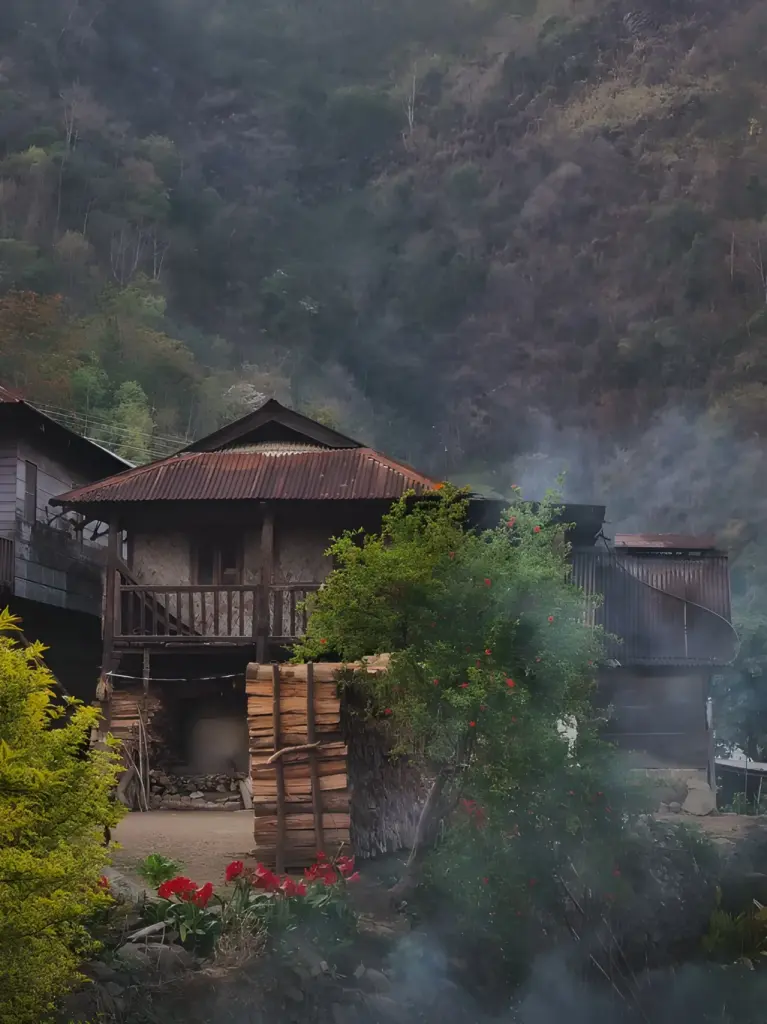
Table of contents
Introduction
The villages in Northeast India are far more than postcard-perfect landscapes, they are living museums of culture, craftsmanship, and community values that have been preserved for generations. Tucked away in hills, valleys, and riverbanks, each village tells a different story through its architecture, traditions, cuisine, and festivals.
Travelling through these villages is an opportunity to slow down and experience life at a different pace. You might find yourself learning to weave on a handloom in Assam, walking through terraced fields in Nagaland, or sharing freshly cooked meals with hosts who treat guests like family. The air feels fresher, the nights quieter, and the sense of connection deeper.
What makes these places remarkable is not just their beauty, but their resilience. Many have adapted to modernity without sacrificing their cultural identity, keeping alive ancient farming methods, art forms, and ecological practices. Whether you are an adventure seeker, a culture enthusiast, or someone looking for meaningful travel experiences, this journey through seven exceptional villages will introduce you to the heart and soul of the Northeast.
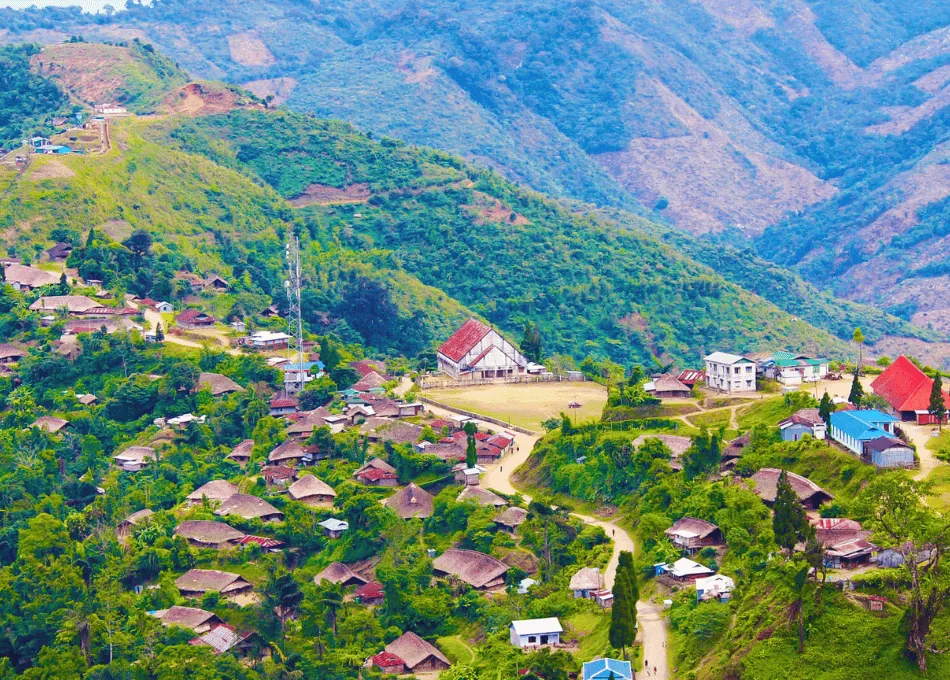
Khonoma, Nagaland
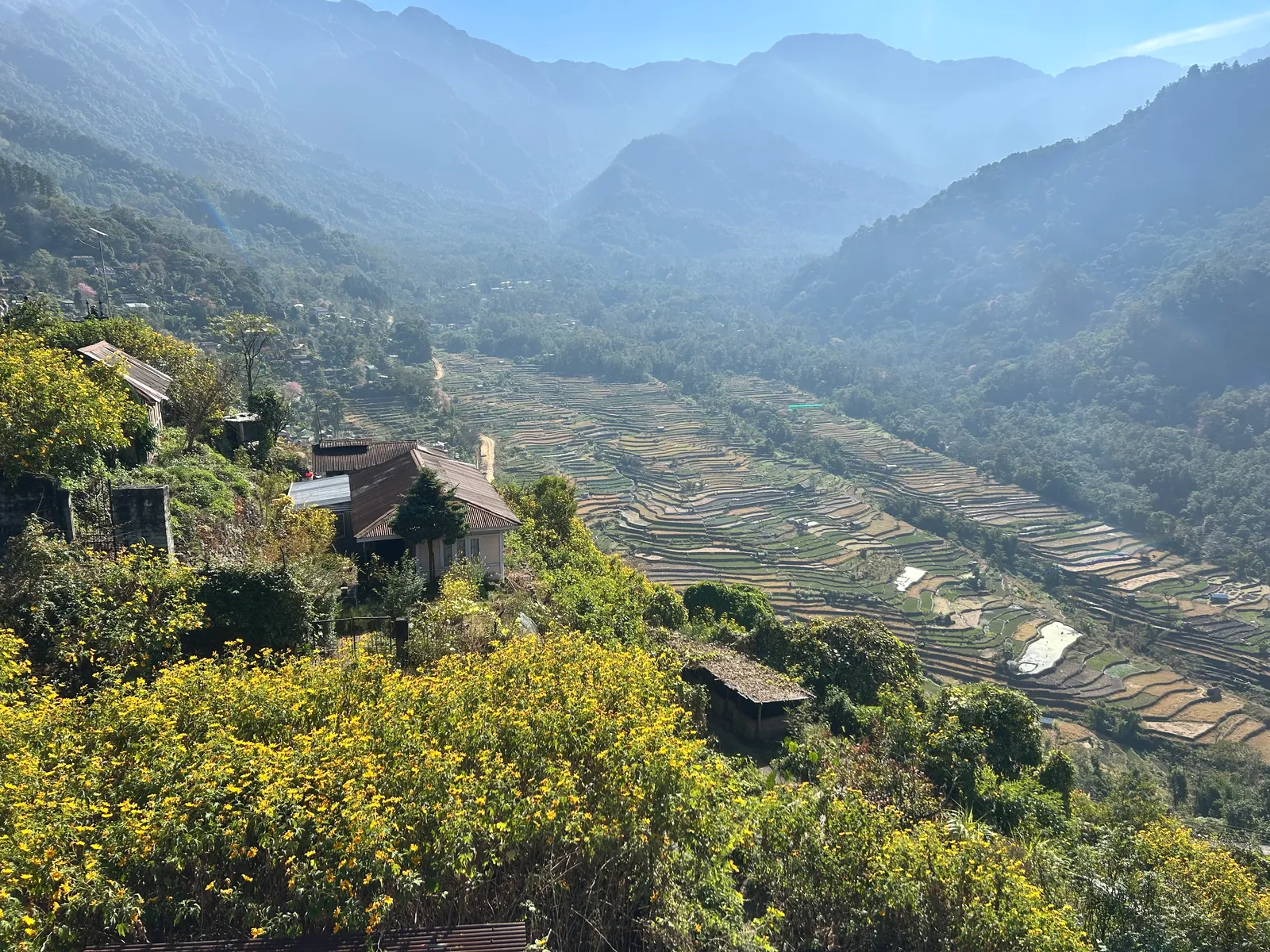
Nestled in the hills of Nagaland, Khonoma is celebrated as Asia’s first green village. In 1998, its residents, the Angami tribe, collectively banned hunting to protect their rich biodiversity and embraced sustainable agriculture.
The village is a patchwork of terraced fields and traditional Angami homes, often decorated with animal motifs and intricate carvings. Walking tours take visitors through ancient forts and memorial stones that recount tales of resistance during the British colonial era.
Nature lovers can explore the Khonoma Nature Conservation and Tragopan Sanctuary, home to rare species like the Blyth’s Tragopan pheasant. Evenings here are best spent in a homestay, where you can share smoked pork with bamboo shoots and sip zu (local rice beer) while listening to folklore by the fireside.
Mawlynnong, Meghalaya
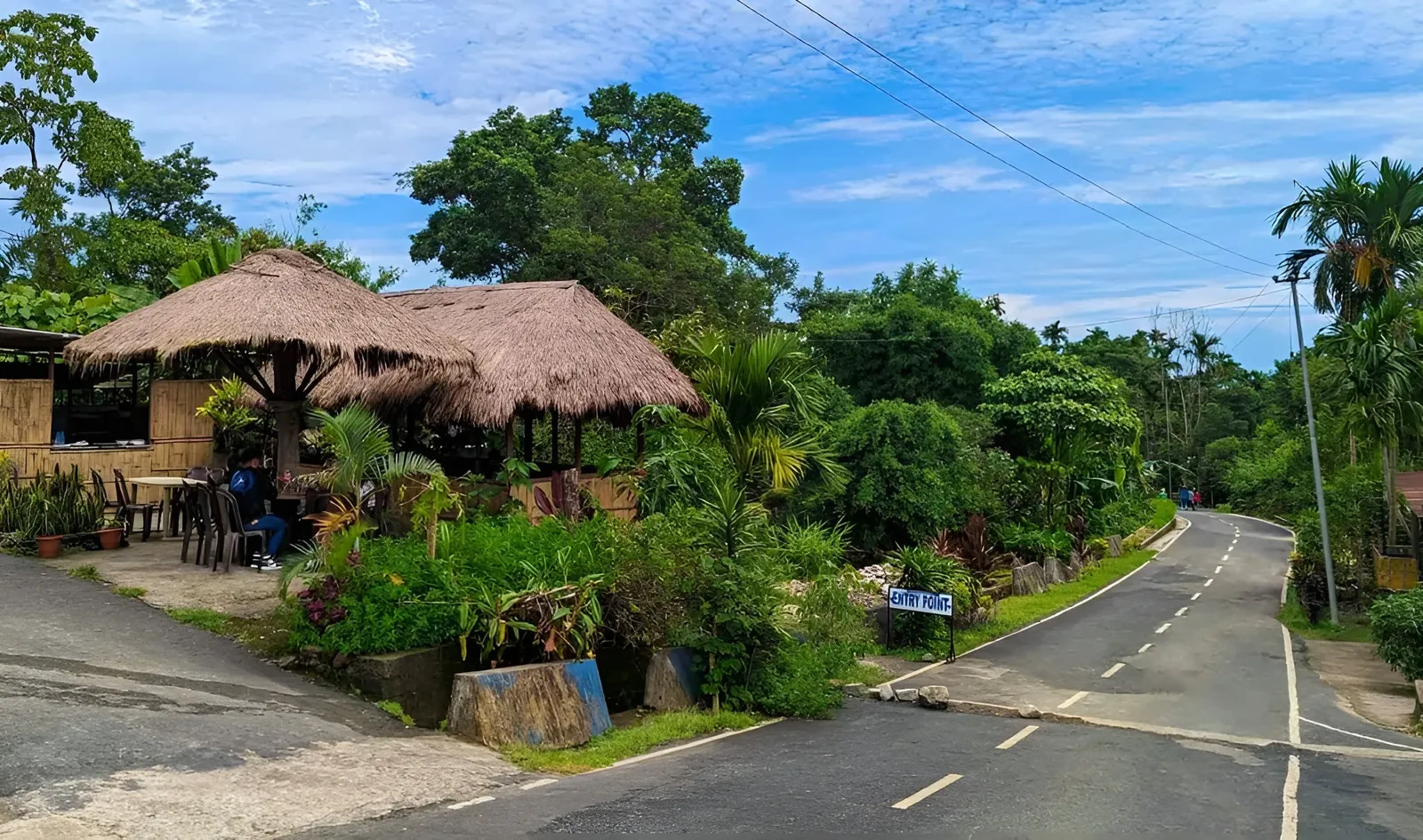
Known as the “Cleanest Village in Asia,” Mawlynnong is a shining example of how community effort can turn a settlement into a model of sustainable tourism. The Khasi villagers keep the streets immaculate, with bamboo bins placed at regular intervals and composting done for use in their gardens.
Here, travellers can wander along flower-lined lanes, visit a century-old church, and climb the Sky View Tower for breathtaking views over the Bangladesh plains.
A short walk leads to the Riwai Living Root Bridge, an awe-inspiring example of natural engineering, where rubber fig tree roots have been woven over decades into a strong and functional structure. Meals here are simple yet satisfying, often featuring Khasi favourites like jadoh (rice with pork) and tungrymbai (fermented soybean chutney).
Hong Village, Arunachal Pradesh
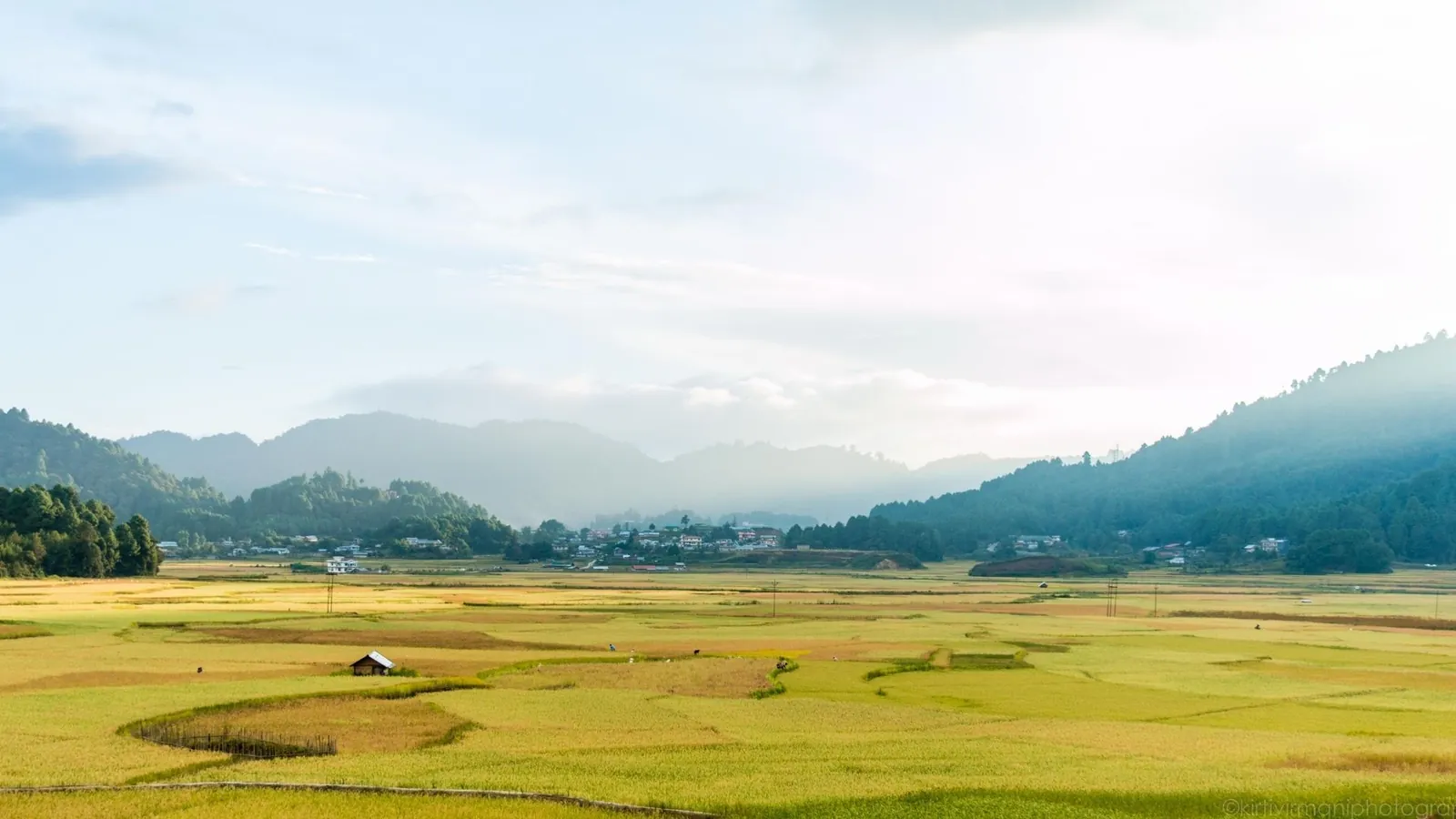
Set in the lush Ziro Valley, Hong Village is one of the largest villages in Asia and the cultural heart of the Apatani tribe. Known for its paddy-cum-fish cultivation, Hong is a living example of how agriculture and aquaculture can thrive together in an eco-friendly balance.
Walking through its narrow lanes, you will see traditional stilt houses built with bamboo and pine, each with a small garden growing seasonal vegetables and herbs. The villagers are welcoming and often invite guests to join in daily activities like weaving, cooking, or farming.
Visiting during the Myoko festival in March or the Murung festival in January offers a chance to witness colourful dances, chanting rituals, and age-old ceremonies. Staying in a homestay gives visitors the opportunity to learn about Apatani customs, sample dishes like piimya (fermented bamboo shoot with pork), and hear stories that reveal the tribe’s deep bond with nature.
Longwa, Nagaland
Straddling the India–Myanmar border, Longwa is one of the most intriguing villages in Northeast India. The house of the Angh (village chief) sits right on the border, meaning one half lies in India and the other in Myanmar. You can literally stand in two countries at once!
Longwa is inhabited by the Konyak tribe, once feared warriors and skilled headhunters, a tradition they abandoned decades ago but continue to honour in their oral histories and art. The Konyaks are talented metalworkers and woodcarvers, producing intricate jewellery, weapons, and home décor.
A visit to Longwa often includes meeting the chief, exploring workshops, and trekking to surrounding hilltops for sweeping cross-border views. Interactions with locals provide a rare insight into a tribal culture that blends heritage with modern influences while retaining its authenticity.
Sualkuchi, Assam
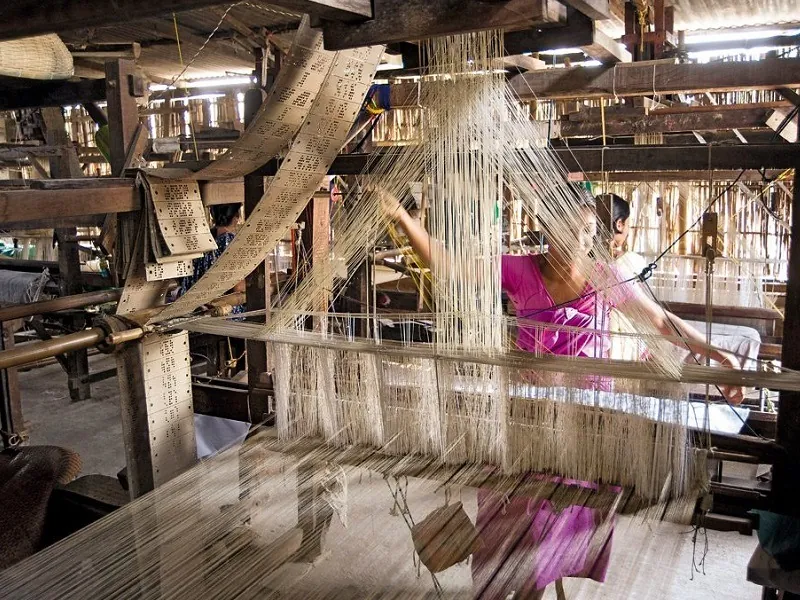
Situated on the banks of the Brahmaputra River, Sualkuchi is famed as the “Manchester of the East” for its mastery in silk weaving. The village is the largest producer of Assam’s three main silks: Muga, Eri, and Pat, with Muga being unique for its golden hue and natural lustre that improves over time.
Visitors can explore family-run weaving workshops where each piece is crafted on a handloom, often using patterns inspired by nature and Assamese folklore. The rhythmic click of the looms and the sight of skilled artisans at work make the experience immersive and inspiring.
Sualkuchi is not just about textiles, it offers peaceful riverbank walks, vibrant local markets, and opportunities to shop for mekhela chadors, stoles, and scarves. Spending time with a weaving family allows travellers to understand the patience and skill required to produce these timeless pieces.
Kongthong Village, Meghalaya
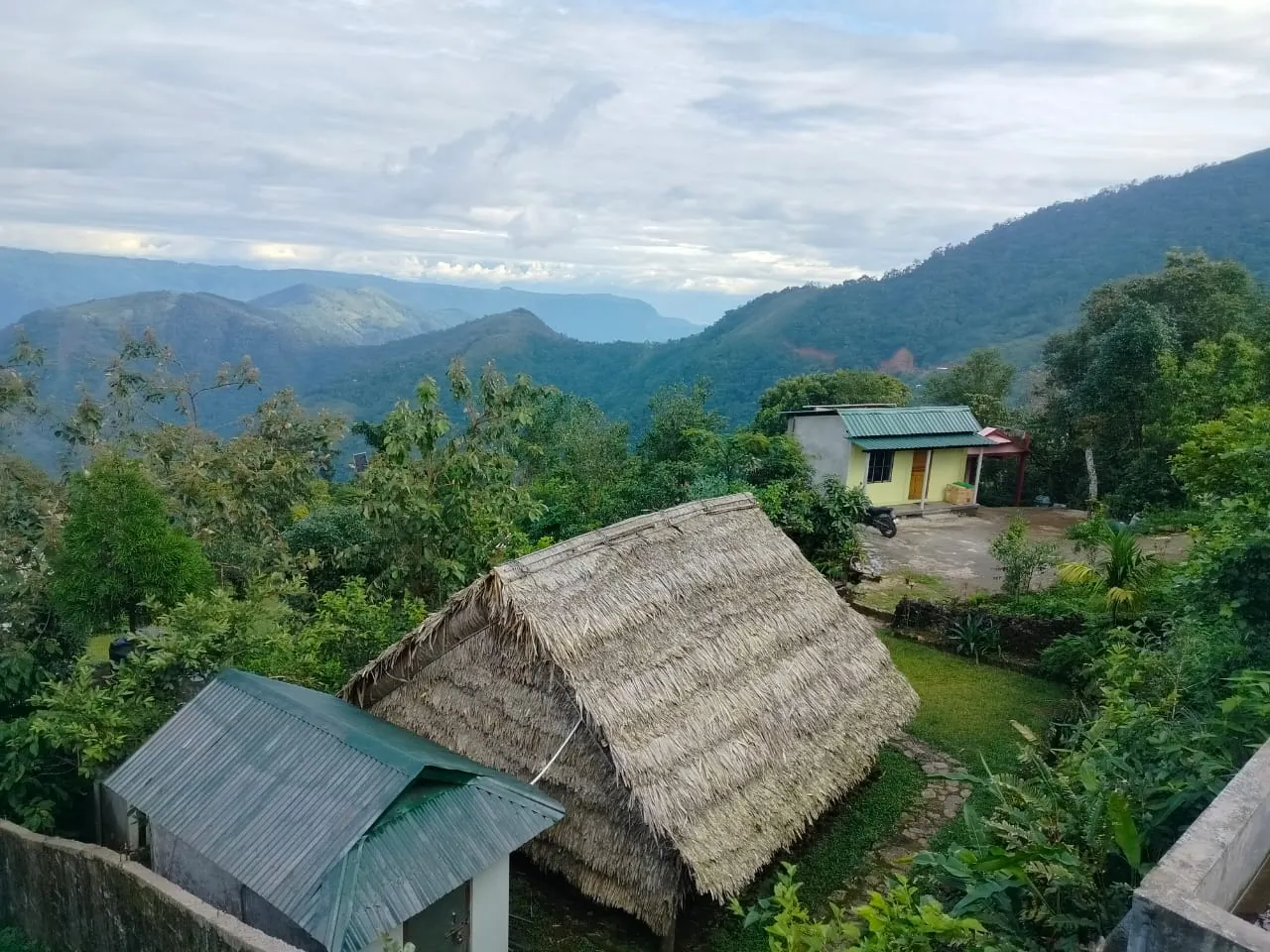
Tucked away in the East Khasi Hills of Meghalaya, Kongthong is a village like no other. Known widely as the “Whistling Village,” it is a place where identity takes the form of music. Every person here is given a unique tune or jingrwai lawbei (meaning “mother’s song”) by their mother soon after birth. These melodious identifiers are used by family, friends, and fellow villagers instead of calling out names. The practice has been preserved for generations, making Kongthong a living example of harmony between people and sound.
Travelling to Kongthong is both an adventure and a cultural revelation. The village is located about 60 kilometres from Shillong, accessible through winding mountain roads surrounded by lush greenery. On arrival, visitors are welcomed into a world where nature and tradition coexist beautifully. Travellers often spend time interacting with the villagers, learning about their oral traditions, and even trying out their whistling names. Beyond its musical heritage, Kongthong also offers opportunities for trekking through forests, sampling authentic Khasi cuisine, and witnessing the everyday rhythm of life in the hills. For anyone curious about deep cultural immersion, Kongthong is more than a destination, it is an experience that lingers long after you leave.
Kaho Village, Arunachal Pradesh
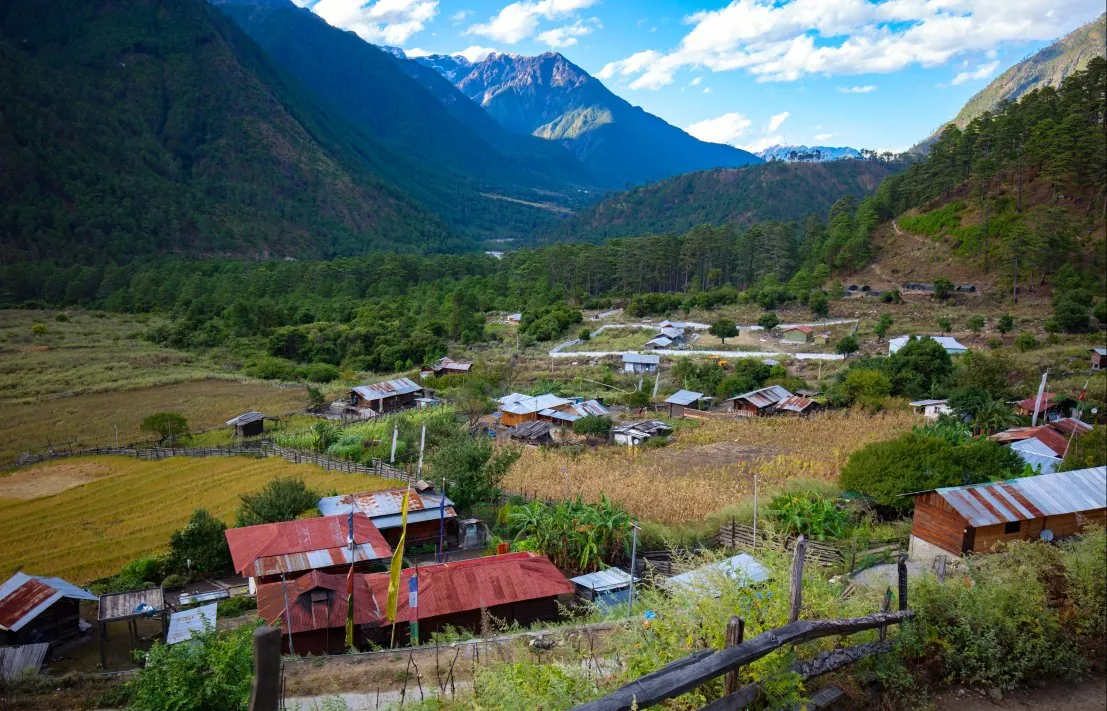
Kaho Village, in Arunachal Pradesh’s remote Anjaw district, stands as one of India’s easternmost settlements, making it one of the very first places in the country to welcome the rising sun. Nestled near the Indo-China border along the Lohit River, this quiet hamlet is home to the Meyor tribe, a small yet vibrant community known for their hospitality, resilience, and deep connection to the land. Visitors to Kaho find themselves in a world of simplicity, where daily life revolves around agriculture, local customs, and community bonding.
The village is surrounded by pristine natural beauty of the dense forests, cascading streams, and majestic mountain slopes that make the long journey worthwhile. Reaching Kaho requires careful planning since it is remote and falls within a restricted border zone, but this remoteness adds to its charm. Travellers often remark on the hanging bridges, wooden houses, and warm cultural exchanges that define the village experience. Guests can learn about the Meyor way of life, enjoy traditional meals, and explore nearby trails that reveal the untouched landscapes of Arunachal Pradesh. Visiting Kaho is not just about admiring scenery but about engaging with people whose traditions and way of life have endured despite the challenges of living on the frontier.
Conclusion: A Journey Through Living Traditions
Exploring these seven villages in Northeast India is more than just a travel experience, it is a cultural exchange that leaves a lasting impression. Each village, whether it is the eco-conscious Khonoma, the silk-weaving hub of Sualkuchi, or the tranquil charm of Kaho, opens a window into ways of life shaped by nature, community, and history.
These journeys remind us that some of the most memorable travel moments happen far from the usual tourist trails. Here, you can walk across a living root bridge built by generations, sit by a fire listening to folktales, or watch artisans bring intricate designs to life on a loom. You leave with more than souvenirs, you take with you friendships, stories, and a renewed respect for traditions that have survived centuries.
By visiting responsibly, supporting local artisans, and engaging with these communities respectfully, travellers can help preserve their heritage while experiencing it firsthand. In every handshake, every shared meal, and every song sung in a language you may not understand, there is a universal message: culture is best preserved by living it, and these villages invite you to be part of that living tradition.