
Kamakhya Temple Guide: Rituals, Festivals & What Tourists Should Know
Planning a visit to Kamakhya Temple? Discover rituals, timings, how to reach, VIP darshan tips & everything you need for a seamless spiritual trip.
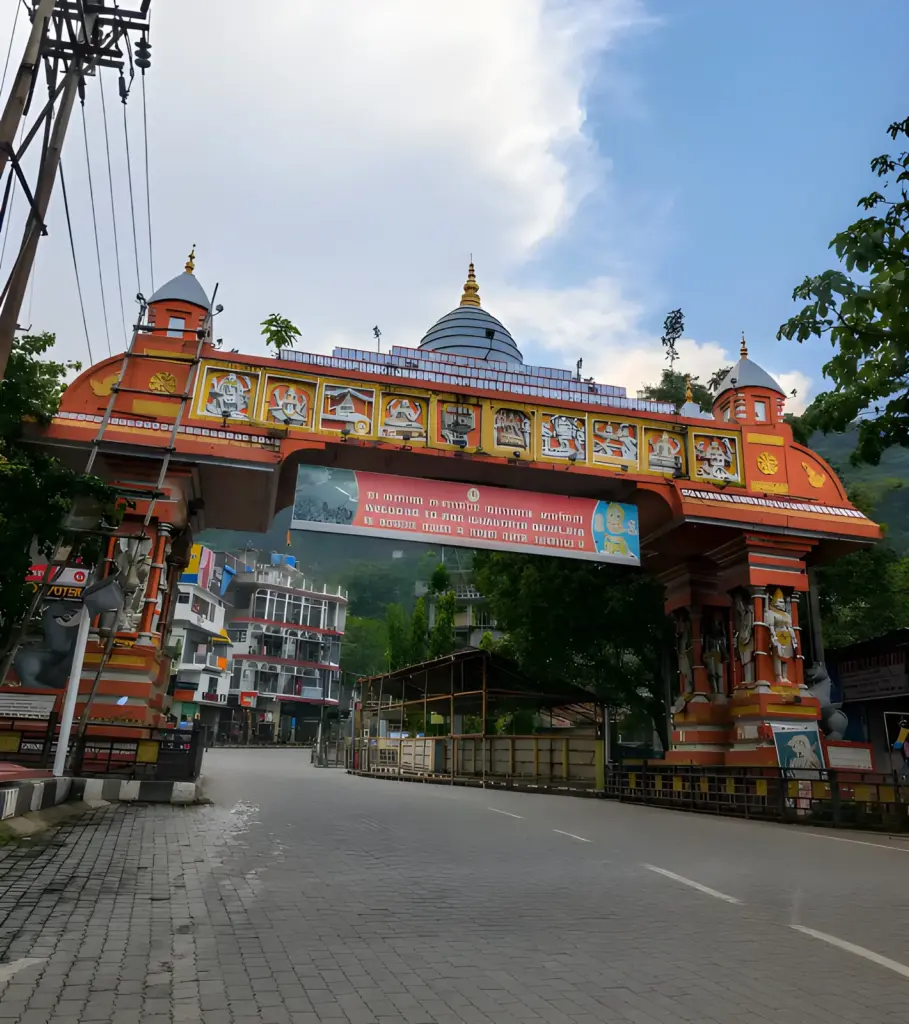
Table of contents
- 1 Introduction
- 2 The History & Significance of Kamakhya Temple
- 3 Daily Rituals and Worship Practices
- 4 Festivals Celebrated at Kamakhya Temple
- 5 What Tourists Should Know Before Visiting?
- 6 How to Reach Kamakhya Temple?
- 7 Where to Stay & Eat Near Kamakhya Temple?
- 8 Conclusion: Why is Kamakhya Temple a Must-Visit?
Introduction
Perched atop the Nilachal Hills in Guwahati, Assam, the Kamakhya Temple is one of India’s most revered Shakti Peethas. Known for its spiritual intensity and mystical aura, it attracts pilgrims, tantriks, and curious travellers alike. Rooted in Hindu mythology and tantric traditions, the temple is a sacred site dedicated to Goddess Kamakhya, the embodiment of feminine energy. In this guide, we’ll explore the history of Kamakhya Temple, its unique daily rituals, vibrant festivals, and practical travel tips for tourists planning to visit this ancient spiritual landmark.
The History & Significance of Kamakhya Temple
The Kamakhya Temple holds profound importance in Hindu mythology, especially in the Shakta tradition, which worships the divine feminine energy or Shakti. Its roots lie in the deeply symbolic and tragic story of Goddess Sati, the first consort of Lord Shiva.
According to legend, Sati was the daughter of King Daksha, a powerful but arrogant ruler who disapproved of her marriage to the ascetic Shiva. In an act of defiance, Daksha organized a grand yajna (sacrificial ritual) but deliberately chose not to invite Shiva and Sati. Despite Shiva’s warning, Sati attended the event, only to be insulted by her father. Overcome with grief and rage, she immolated herself in the sacrificial fire.
Devastated, Shiva carried Sati’s charred body and wandered across the universe in sorrow. Fearing the collapse of cosmic balance, Lord Vishnu intervened and used his Sudarshan Chakra to dismember Sati’s body. Her body parts fell at different locations across the Indian subcontinent, which came to be known as the Shakti Peethas: sacred sites of feminine power.
At Kamakhya, it is believed that Sati’s yoni (womb) fell, making it a potent symbol of creation, fertility, and raw feminine energy. Uniquely, there is no idol inside the sanctum, instead, worship centers around a naturally moist stone formation representing the goddess’s womb.
The temple also has deep ties to tantric practices, making it a significant pilgrimage site not just for devotees but also for tantriks and mystics. Its current structure was rebuilt in the 17th century by King Naranarayana of the Koch dynasty, and it remains one of the most powerful spiritual sites in India today.
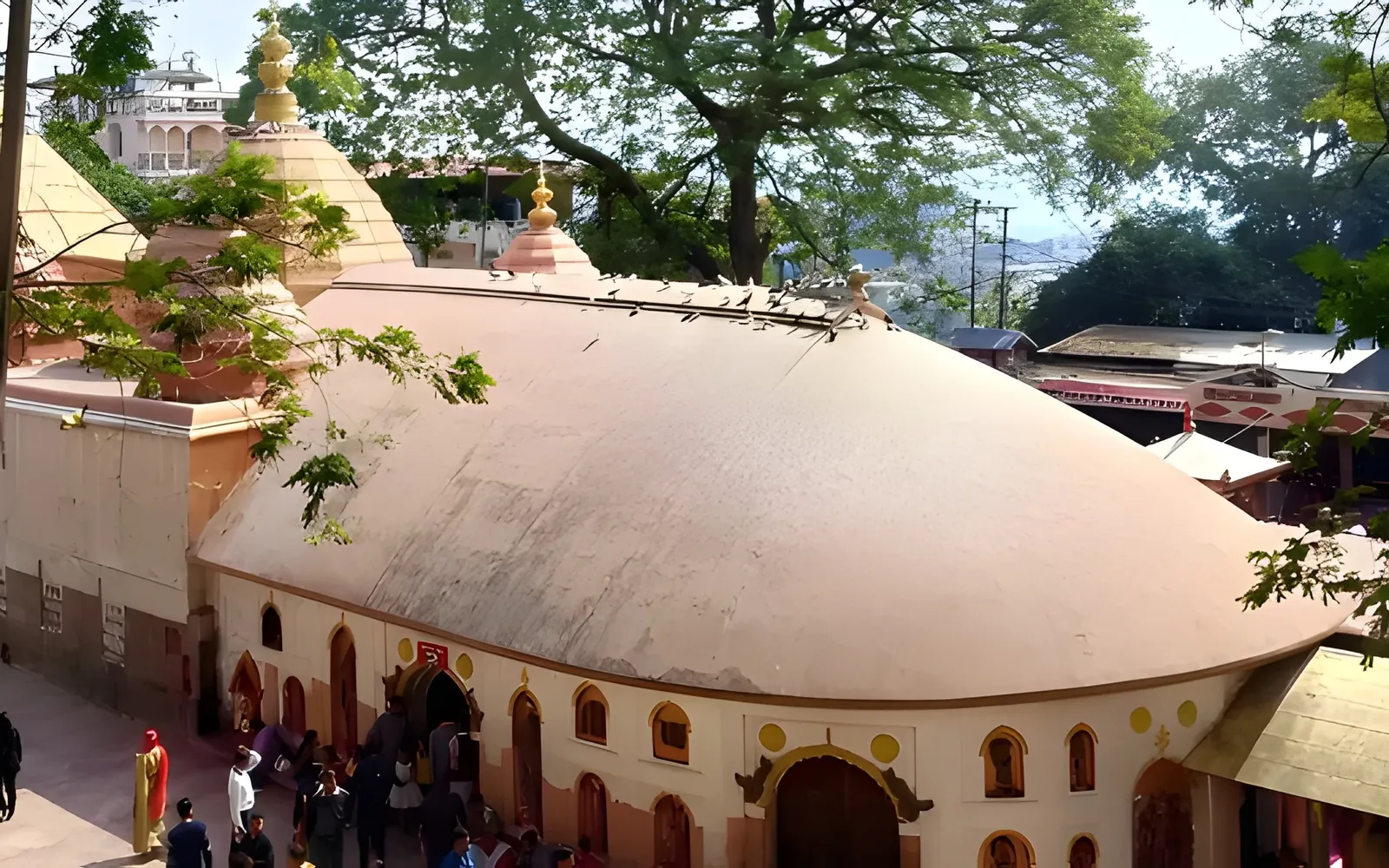
Unlike most temples, Kamakhya does not have an idol. Instead, devotees worship a stone shaped like a vulva, which remains naturally moist throughout the year, further fueling the site’s mystique. This symbolism makes the temple deeply connected to tantric practices, often misunderstood but rooted in spiritual transformation and balance.
Daily Rituals and Worship Practices
The daily rituals at the Kamakhya Temple are a unique blend of conventional Hindu puja practices and ancient tantric rites. The temple opens early, around 5:30 AM, with the Nitya Puja (daily worship), which includes bathing the yoni-shaped stone with milk, water, and honey, followed by the offering of flowers, incense, and vermillion.
One of the most distinctive features is the Yoni Puja, where the female creative force is revered, a practice central to the temple’s belief system. Priests perform these rituals with utmost devotion, and visitors can witness this sacred process from designated viewing areas.
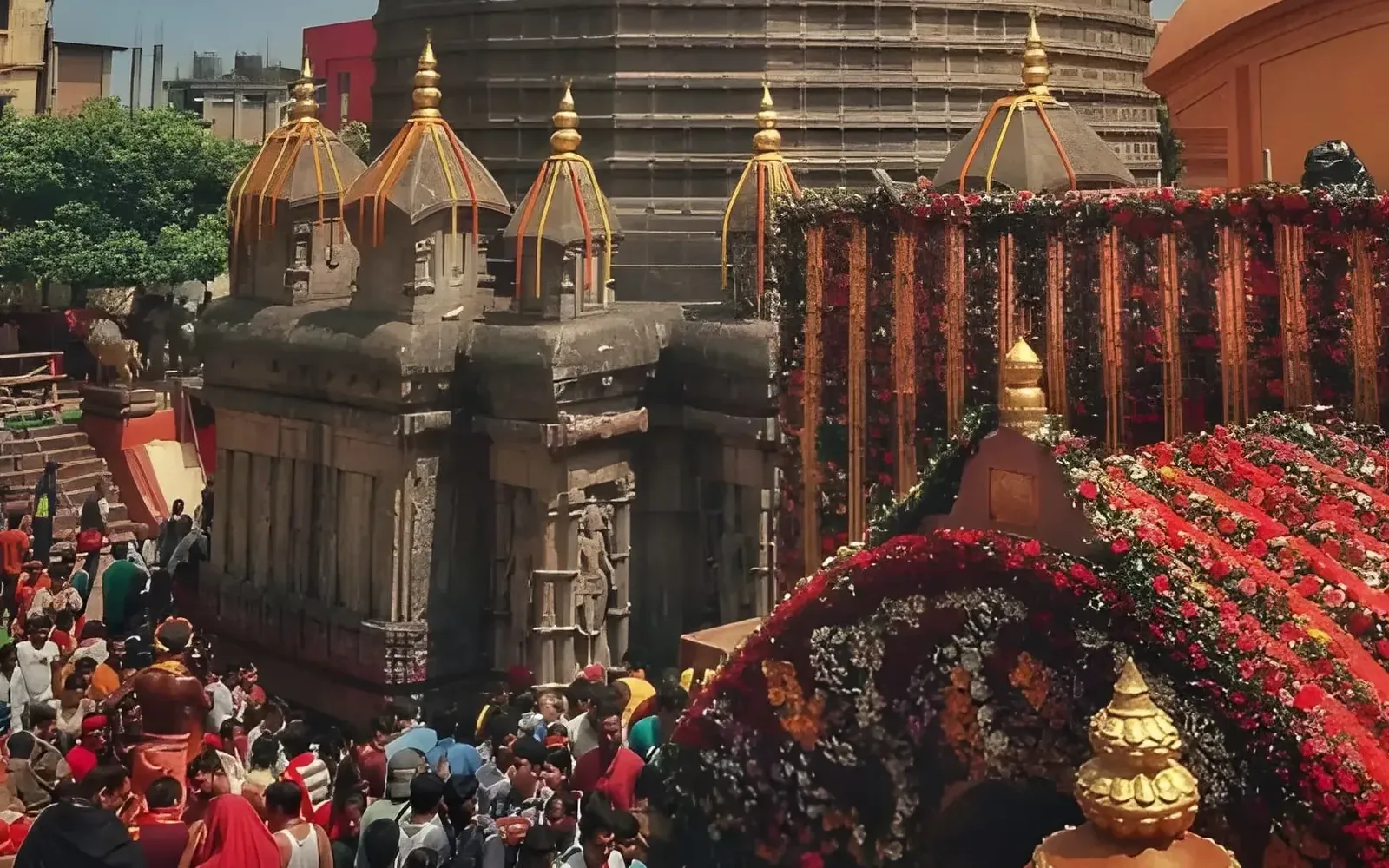
Among the significant special rituals observed at the temple is the Kumari Puja, performed on select auspicious days such as Navratri. In this ritual, a young, unmarried girl is worshipped as the embodiment of the Goddess, a powerful symbol of purity and divine feminine energy.
Unlike many temples, the entry to the sanctum-sanctorum is limited, and there are long queues during peak hours. Devotees often offer red flowers, coconuts, and sweets as part of their prayers. Animal sacrifices, though controversial, are still performed in certain parts of the temple complex, reflecting ancient practices tied to Tantra.
Tourists are advised to maintain silence and respect the temple customs. Observing these rituals offers a rare glimpse into one of India’s most unconventional yet sacred religious traditions.
Festivals Celebrated at Kamakhya Temple
The Kamakhya Temple comes alive during its many vibrant festivals, with Ambubachi Mela being the most prominent. Celebrated every year in June, it marks the annual menstruation of Goddess Kamakhya, symbolizing the fertility of the Earth. The temple remains closed for three days during this period, after which devotees gather in the thousands to receive blessings and prasad. Sadhus, aghoris, and tantric practitioners from all over India attend, making it a spectacle of faith, mysticism, and spirituality.
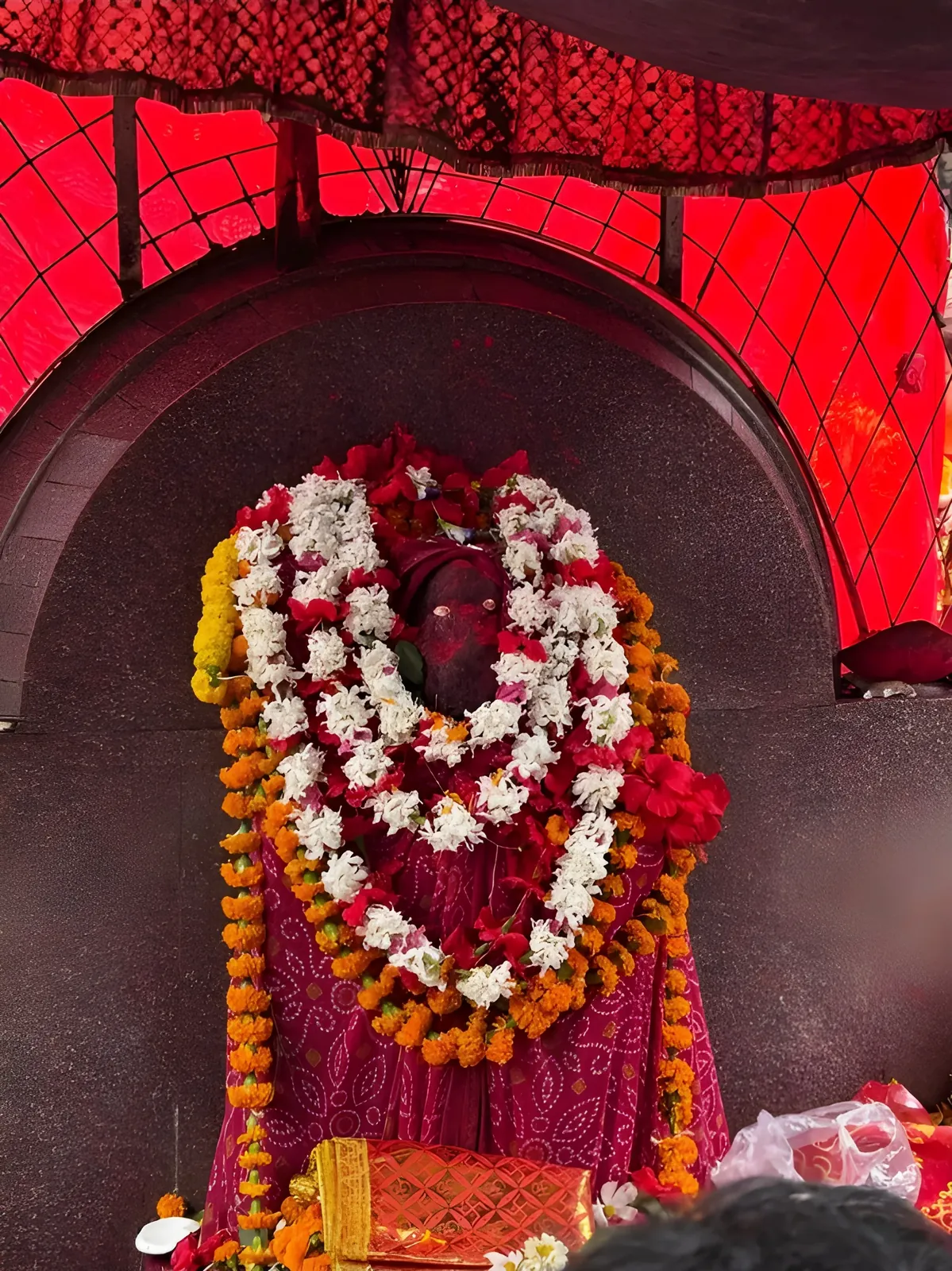
Durga Puja and Navratri are other major festivals observed with grandeur. Devotees flock to the temple during these nine days to honor the nine forms of the goddess. Special pujas, lighting of lamps, and traditional dances fill the temple premise with energy and devotion.
Other notable events include Manasha Puja, Bhubaneswari Puja, and Pohan Biya, a symbolic marriage ceremony of Lord Kameshwar and Goddess Kamakhya.
For tourists, visiting during festival time can be both magical and overwhelming. Expect huge crowds, tight security, and long wait times. It’s advisable to book accommodations in advance and arrive early in the day. Despite the hustle, festivals at Kamakhya offer a rare insight into the temple’s deep-rooted cultural and religious significance.
What Tourists Should Know Before Visiting?
For first-time visitors, a trip to the Kamakhya Temple can be transformative, provided you’re prepared. The best time to visit is between October and March, when the weather is pleasant and crowd levels are manageable. Avoid the monsoon season unless you’re attending Ambubachi Mela, during which Guwahati experiences heavy rainfall.
The temple opens around 5:30 AM and closes by 10:00 PM, with a mid-day break. Arriving early helps avoid long queues, especially during weekends or special occasions. Entry is free, but paid darshan and VIP passes are available for quicker access. For travelers short on time or seeking a smoother experience, Kamakhya Temple offers VIP Darshan passes that allow quicker entry into the sanctum, bypassing the long general queue. These passes can now be conveniently booked online through the official temple portal at https://mkdonline.in, priced at ₹501 per person. Children under 10 can enter for free, and visitors from the armed forces may be eligible for special discounts, which can be confirmed at the temple counter.
Tourists should follow a modest dress code, clothes covering shoulders and legs are expected. Footwear must be removed before entering the temple complex. Photography is strictly restricted inside the sanctum, so respect the spiritual atmosphere.
Offerings like red flowers, sweets, and coconuts can be purchased from local vendors. The temple complex also features stalls for buying prasad and souvenirs.
Facilities include drinking water, toilets, and locker rooms for storing valuables. Basic food options are available nearby, mostly vegetarian. For those sensitive to crowds or strong smells (like incense and animal offerings), preparation is key. Understanding these logistics ensures a smooth, respectful, and enriching visit to the Kamakhya Temple.
How to Reach Kamakhya Temple?
Reaching the Kamakhya Temple is fairly straightforward, thanks to Guwahati’s status as a major transport hub in Northeast India. The nearest railway station from the temple is Kamakhya Railway Station. There are other alternatives such as the Guwahati Railway Station which is about 8 km from the temple, and the Lokpriya Gopinath Bordoloi International Airport which is located at a distance of 20 km.
From the railway station or airport, you can hire local taxis, auto-rickshaws, or use ride-sharing apps like Ola and Uber. Prepaid taxis are also available at the airport. If you’re staying in central Guwahati, it typically takes 30–40 minutes to reach the temple, depending on traffic.
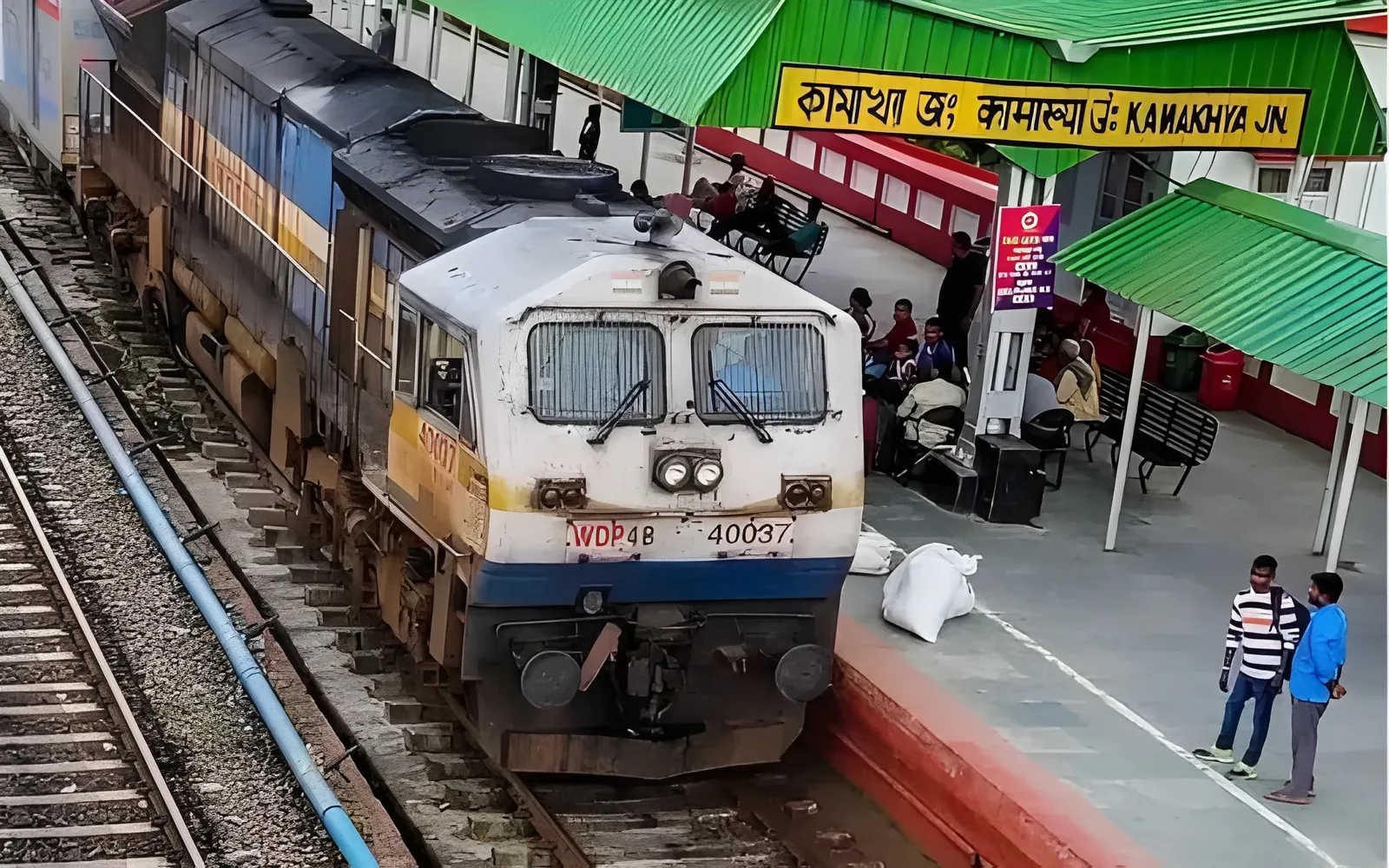
The climb to the temple is via a steep hill road that winds up Nilachal Hill. While motorable roads take you close to the main entrance, many pilgrims prefer to walk up the stone steps from the base of the hill, a rewarding but physically demanding experience.
For budget-conscious travelers, shared minibuses and ASTC buses operate regularly from Adabari and Paltan Bazaar. These are more affordable but less convenient, especially during peak pilgrimage season.
Whether you’re flying in or arriving by train, it’s best to plan your route in advance, especially if you’re visiting during festivals or religious observances when traffic and crowds peak near Kamakhya Temple.
Where to Stay & Eat Near Kamakhya Temple?
The area surrounding the Kamakhya Temple offers a range of accommodation options, from basic guesthouses to mid-range hotels. If you wish to stay close to the temple for early morning darshan, the Kamakhya Debutter Board runs affordable dharamshalas and lodges near the temple complex. These are clean, spiritual, and ideal for pilgrims.
For more comfort, head to central Guwahati, where you’ll find a variety of hotels, including budget stays, business hotels, and a few luxury properties. These are 20–30 minutes away by cab and offer easy access to restaurants, shopping, and riverfront views.
Advance booking is highly recommended, especially during major festivals like Ambubachi Mela, when thousands of pilgrims visit. Prices may surge, and accommodations near the temple get fully booked weeks in advance.
When it comes to food, local eateries near the temple serve simple vegetarian meals and prasad (blessed food). You can also find stalls selling tea, snacks, and sweets like pithas and ladoos. For a taste of Assamese cuisine, head back to Guwahati city, where restaurants serve traditional thalis featuring rice, dal, fish curry, and bamboo shoot delicacies.
Although there are limited upscale restaurants near Kamakhya itself, street food and small cafes offer quick bites. It’s advisable to carry water and light snacks, especially if you plan to stay for a few hours.
Staying nearby not only gives you early access to rituals but also allows you to immerse yourself in the peaceful spiritual vibe that surrounds this ancient and sacred site.
Conclusion: Why is Kamakhya Temple a Must-Visit?
A visit to the Kamakhya Temple is more than a spiritual journey, it’s a deep dive into India’s ancient feminine energy, tantric heritage, and living tradition. From unique rituals and vibrant festivals to hilltop serenity and cultural depth, Kamakhya offers a sacred experience unlike any other. Whether you’re a pilgrim or a curious traveler, this temple promises both mystery and meaning.