
Top 25 Most Instagrammable Places in Northeast India
Explore the top 25 Instagrammable places in Northeast India, from waterfalls to valleys, perfect for travellers seeking culture, nature, and unique frames.
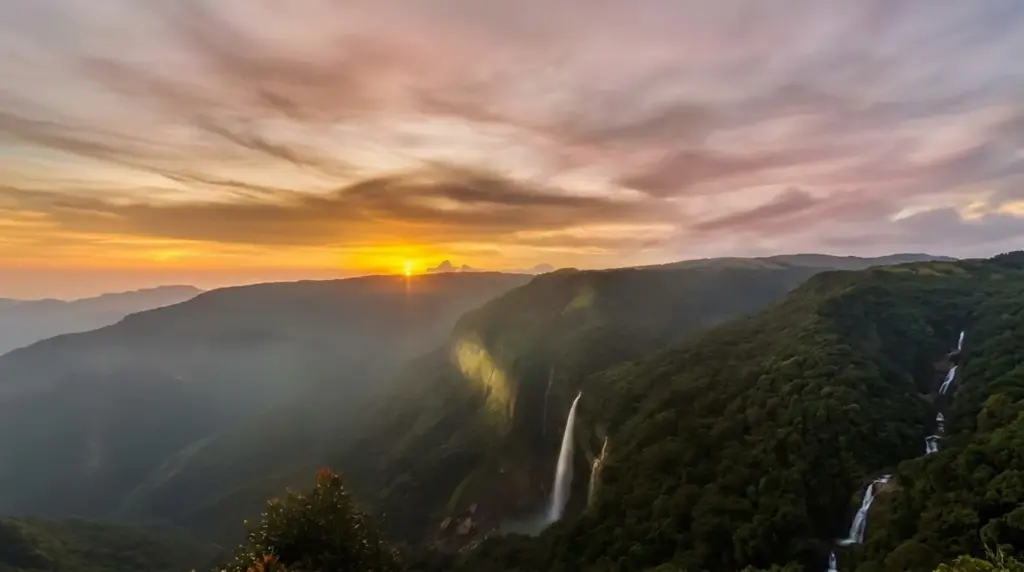
Table of contents
- 1 Introduction
- 2 Synrangkhit Falls, Meghalaya
- 3 Shillong, Meghalaya
- 4 Wari Chora, Meghalaya
- 5 Anini, Arunachal Pradesh
- 6 Rainbow Falls & Krangshuri Falls, Meghalaya
- 7 Chug Valley, Arunachal Pradesh
- 8 Shergaon, Arunachal Pradesh
- 9 Kohima During Hornbill Festival, Nagaland
- 10 Ziro Valley, Arunachal Pradesh
- 11 Mechuka Town, Arunachal Pradesh
- 12 Mawlynnong Village, Meghalaya
- 13 Khonoma Village, Nagaland
- 14 Kapamodzu During Flower Season, Nagaland
- 15 Namsai, Arunachal Pradesh
- 16 Krem Mawmluh & Krem Liat Prah, Meghalaya
- 17 Krem Chympe, Meghalaya
- 18 Mawphanlur, Meghalaya
- 19 Sacred Grove Forest of Mawphlang, Meghalaya
- 20 Tawang Monastery, Arunachal Pradesh
- 21 Pasighat, Arunachal Pradesh
- 22 Dambuk, Arunachal Pradesh
- 23 Sivasagar, Assam
- 24 Mandala Top, Arunachal Pradesh
- 25 Dong Valley, Arunachal Pradesh
- 26 Pfutsero, Nagaland
- 27 Conclusion: Capturing the Spirit of the Northeast
Introduction
From misty waterfalls to high mountain passes, Northeast India is home to landscapes that feel both cinematic and timeless. Its valleys, villages, monasteries, and lakes make it one of the most Instagrammable regions in India, attracting travellers, photographers, and storytellers in search of authenticity. What makes these places special is not just how they look but how they feel, quiet, raw, and untouched by the rush of mainstream tourism.
In this guide, we have put together the Top 25 Instagrammable Places in Northeast India, each offering picture-perfect frames and unforgettable experiences. For every location, you will find a short introduction, how to get there, what to capture, and the best time for photography.
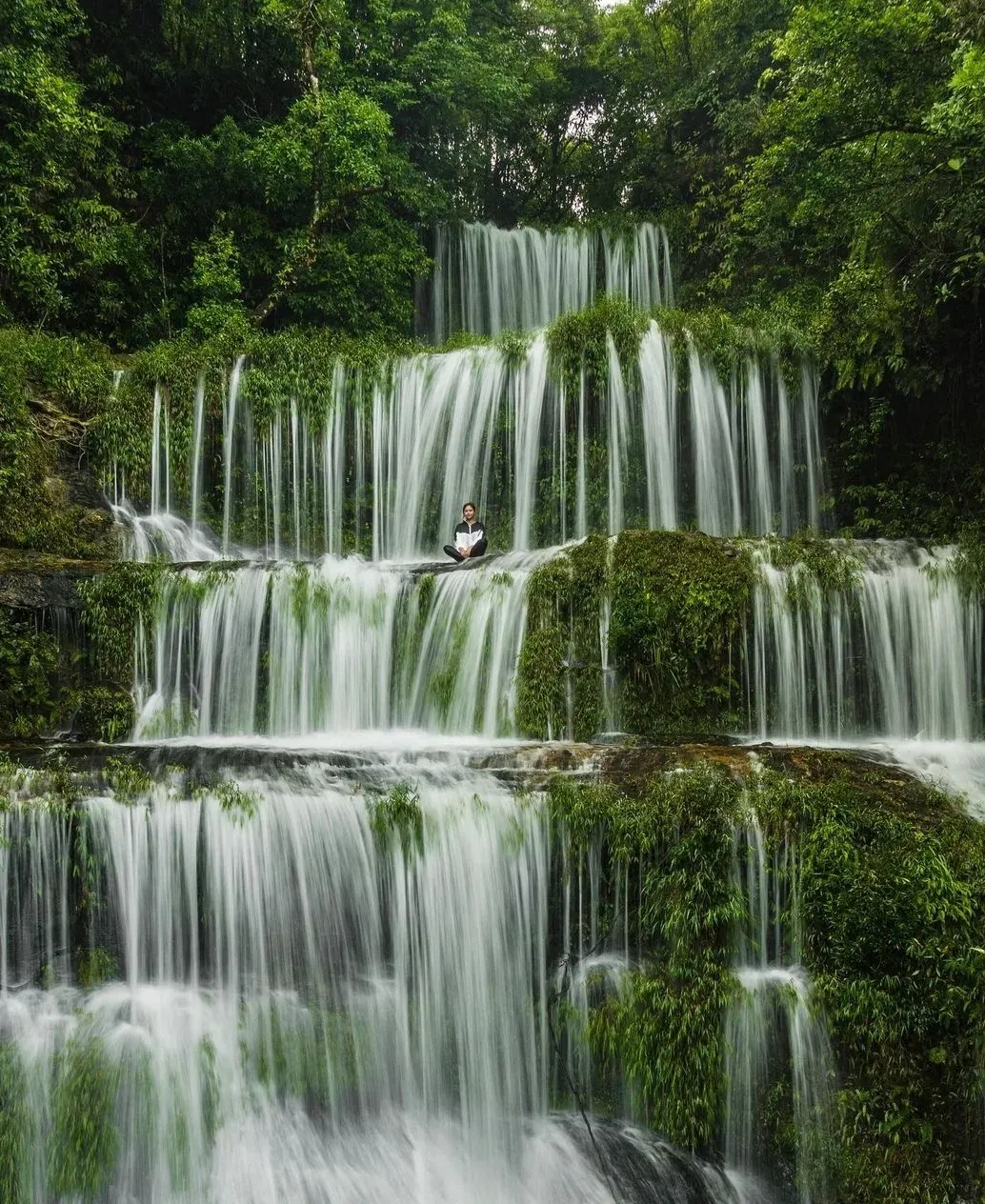
Synrangkhit Falls, Meghalaya
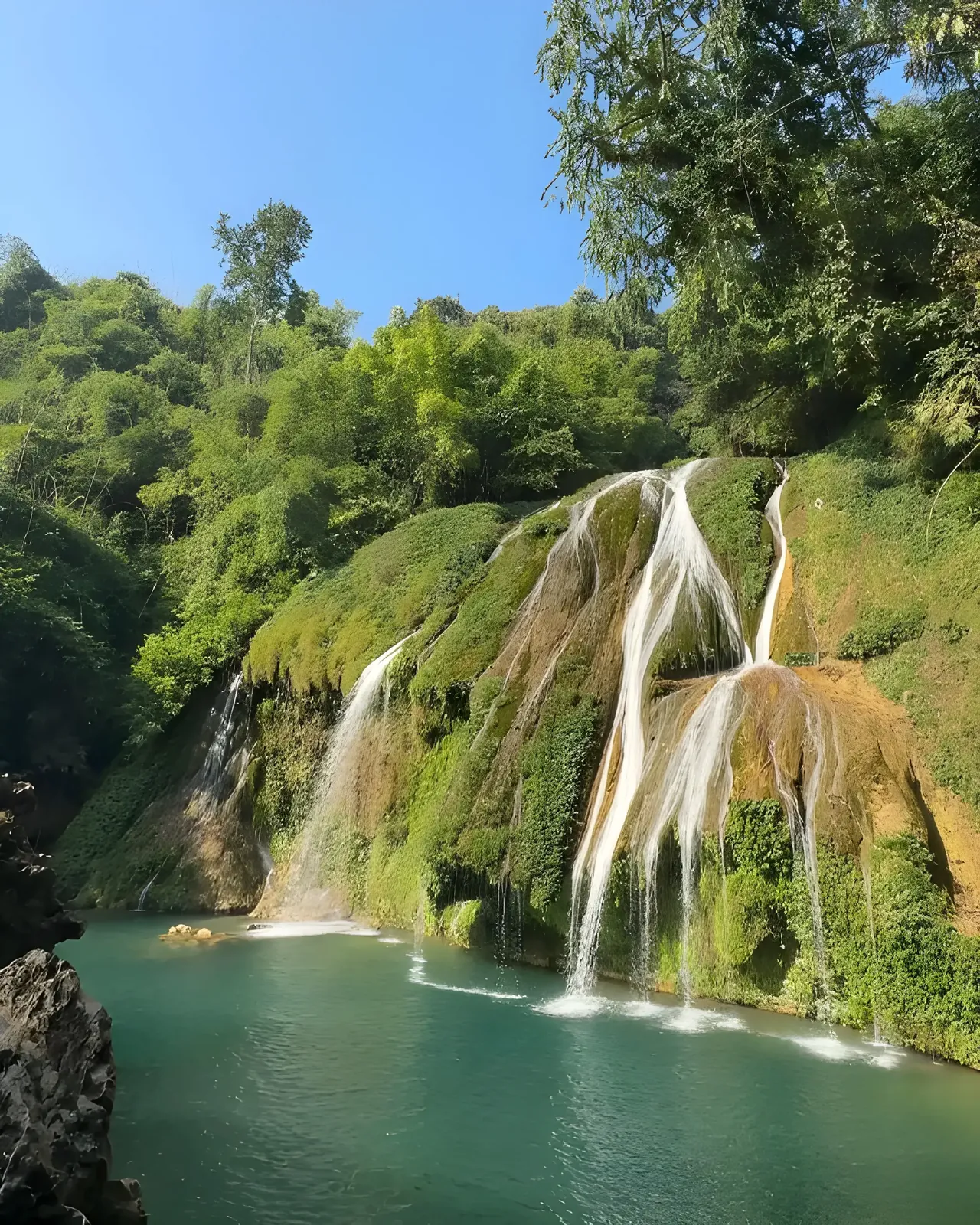
Hidden in the Jaintia Hills, Synrangkhit Falls is a multi-tiered waterfall that cascades down limestone cliffs surrounded by lush greenery. Still relatively unknown to mainstream travellers, its secluded beauty makes it a must-visit for photographers.
Location: Near Amlarem in Meghalaya, accessible by road from Shillong (around 90 km). A short trek through forest trails leads to the falls.
What to Capture:
- Wide-angle shots of the layered falls
- Close-ups of water crashing on limestone walls
- Mist rising from the plunge pool at sunrise
Best Time for Shots: Early morning between October and March, when the skies are clear and the water flow is steady.
Shillong, Meghalaya
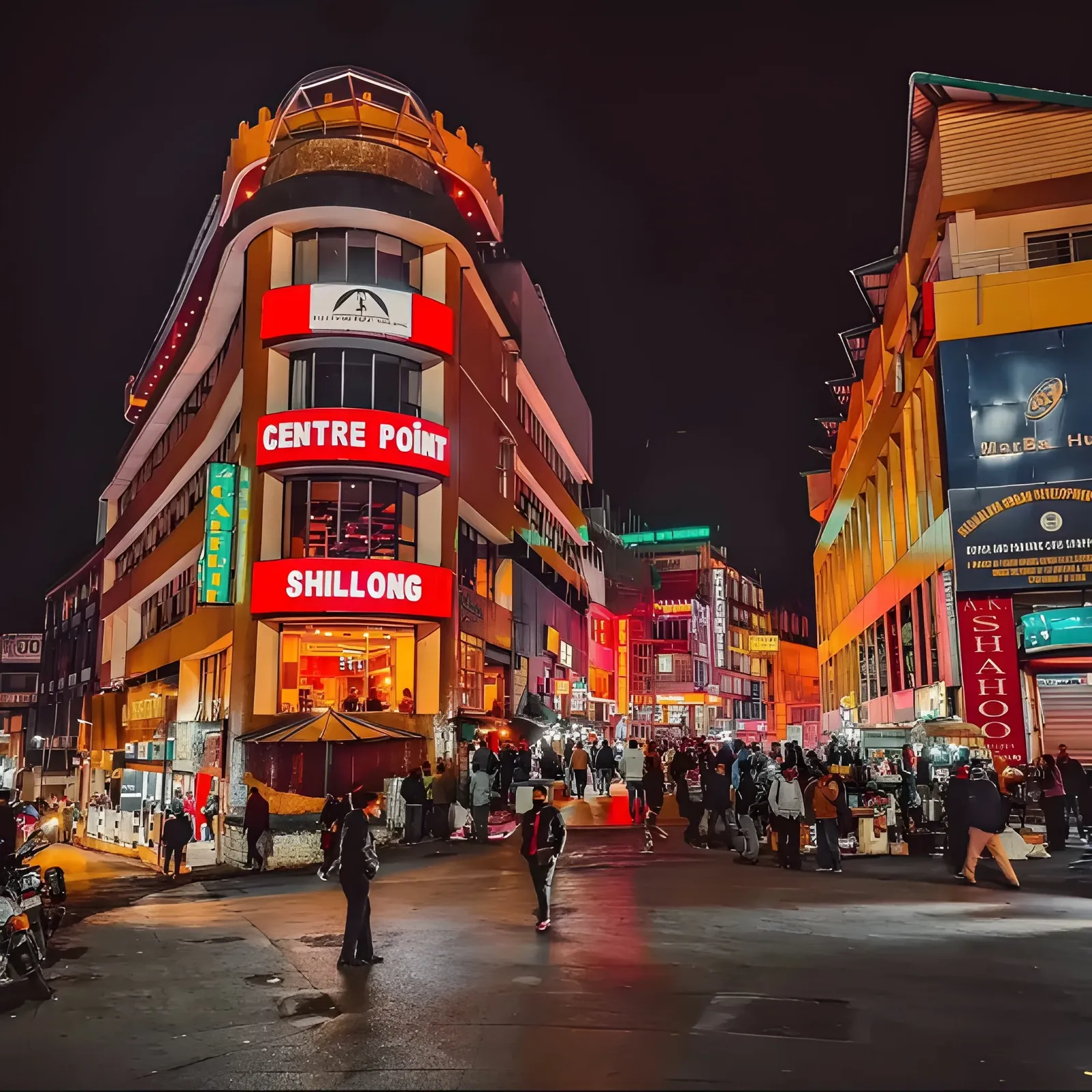
Often called the “Scotland of the East”, Shillong blends colonial architecture, rolling hills, and vibrant street life. From rooftop cafés to panoramic viewpoints, the city is filled with spots that are ideal for content creators.
Location: Meghalaya’s capital, well connected by road from Guwahati (100 km, about 3 hours by car).
What to Capture:
- Ward’s Lake with its landscaped gardens
- Cathedral of Mary Help of Christians
- Police Bazaar’s bustling streets for urban shots
- Laitlum Canyons for sweeping views of valleys
Best Time for Shots: Sunrise or late afternoon light, especially between October and April for clear skies.
Wari Chora, Meghalaya
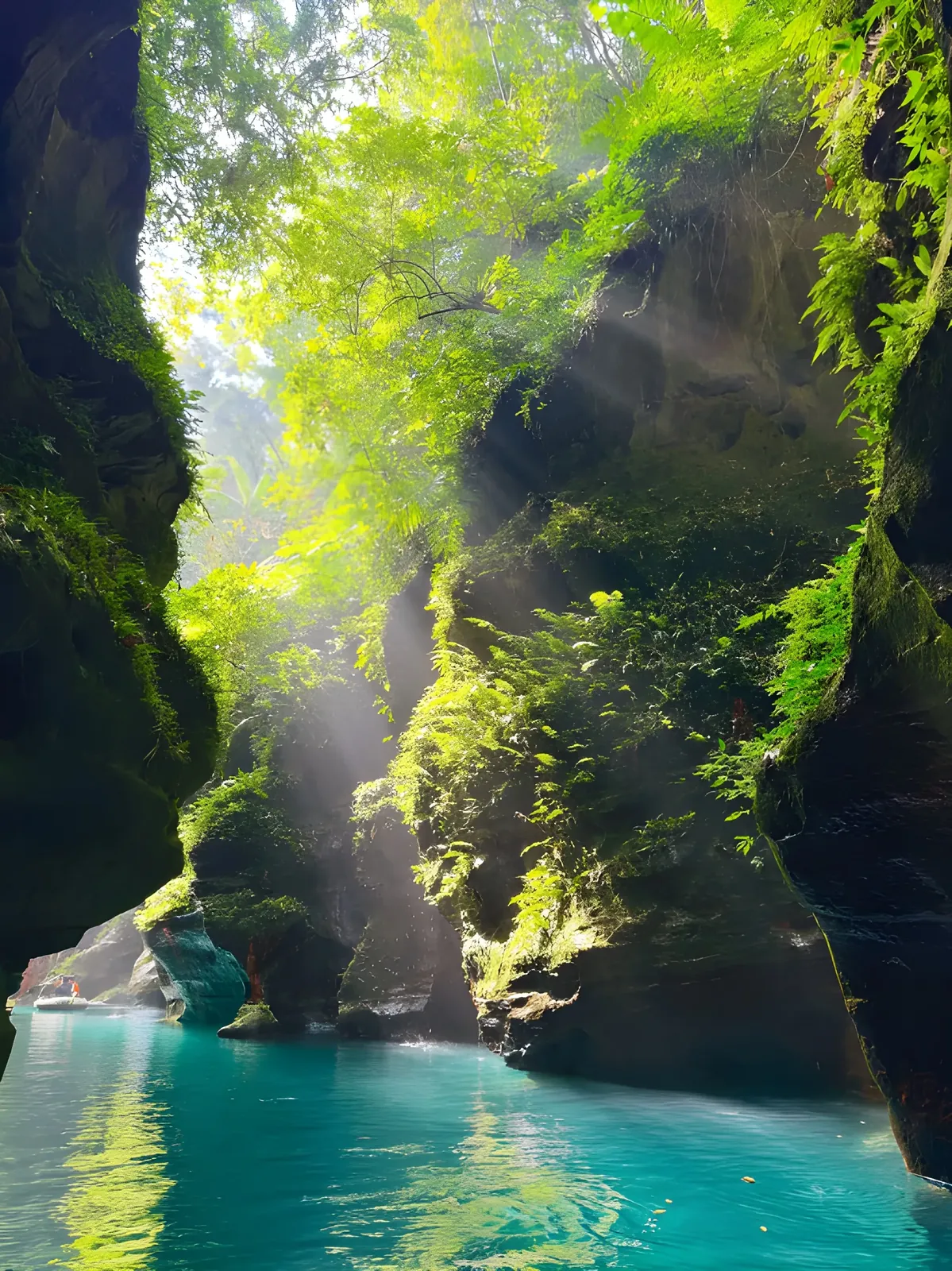
Wari Chora has become a viral sensation thanks to Instagram reels showcasing its emerald-green river cutting through deep gorges. The boat rides here give a surreal feeling of floating through a canyon.
Location: Located in the South Garo Hills of Meghalaya, around 5–6 hours by road from Shillong. Local boats are available for rides.
What to Capture:
- Drone shots of the river winding through cliffs
- Reflections of green waters with rock walls
- Boat rides framed against sunlight beams
Best Time for Shots: November to February for crystal-clear waters and safe boat rides.
Anini, Arunachal Pradesh
A remote paradise in the Dibang Valley, Anini is surrounded by snow-capped peaks and pristine landscapes. Its highlight, Chigu Camp, often appears in viral travel clips for its panoramic views of the valley and waterfalls.
Location: Accessible via road from Roing or by flight to Dibrugarh, followed by a long drive. Inner Line Permit is required for Indian travellers.
What to Capture:
- Sunrise over Emuli Grasslands
- Wide shots of Dibang Valley peaks
- Waterfalls cascading near Chigu Camp
Best Time for Shots: March to June or October to early December, with mornings offering the clearest skies.
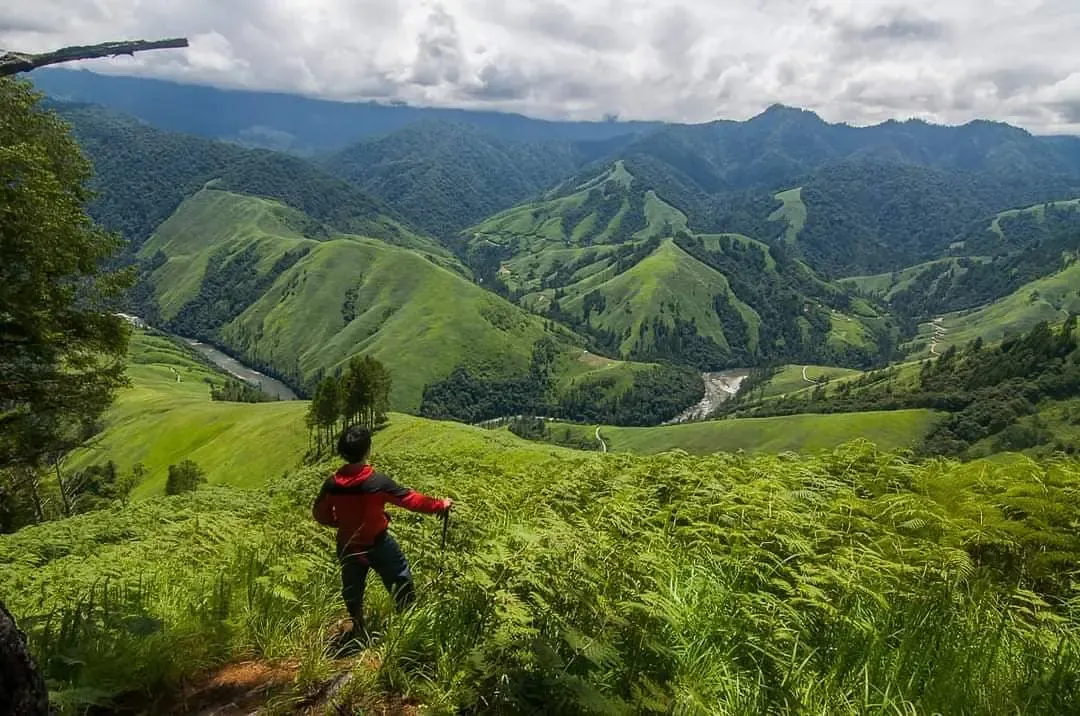
Rainbow Falls & Krangshuri Falls, Meghalaya
Rainbow Falls is famous for the rainbow that forms in its mist, while Krangshuri Falls is known for its turquoise pool, both creating dreamlike settings.
Location: Near Nongriat (Rainbow Falls) and Jowai (Krangshuri), both accessible via short treks or road trips from Shillong.
What to Capture:
- Rainbow arcs against cascading falls
- Reflections in Krangshuri’s blue pool
- Long-exposure shots of gushing streams
Best Time for Shots: Post-monsoon months (October–December) for strong water flow and rainbows in clear sunlight.
Chug Valley, Arunachal Pradesh
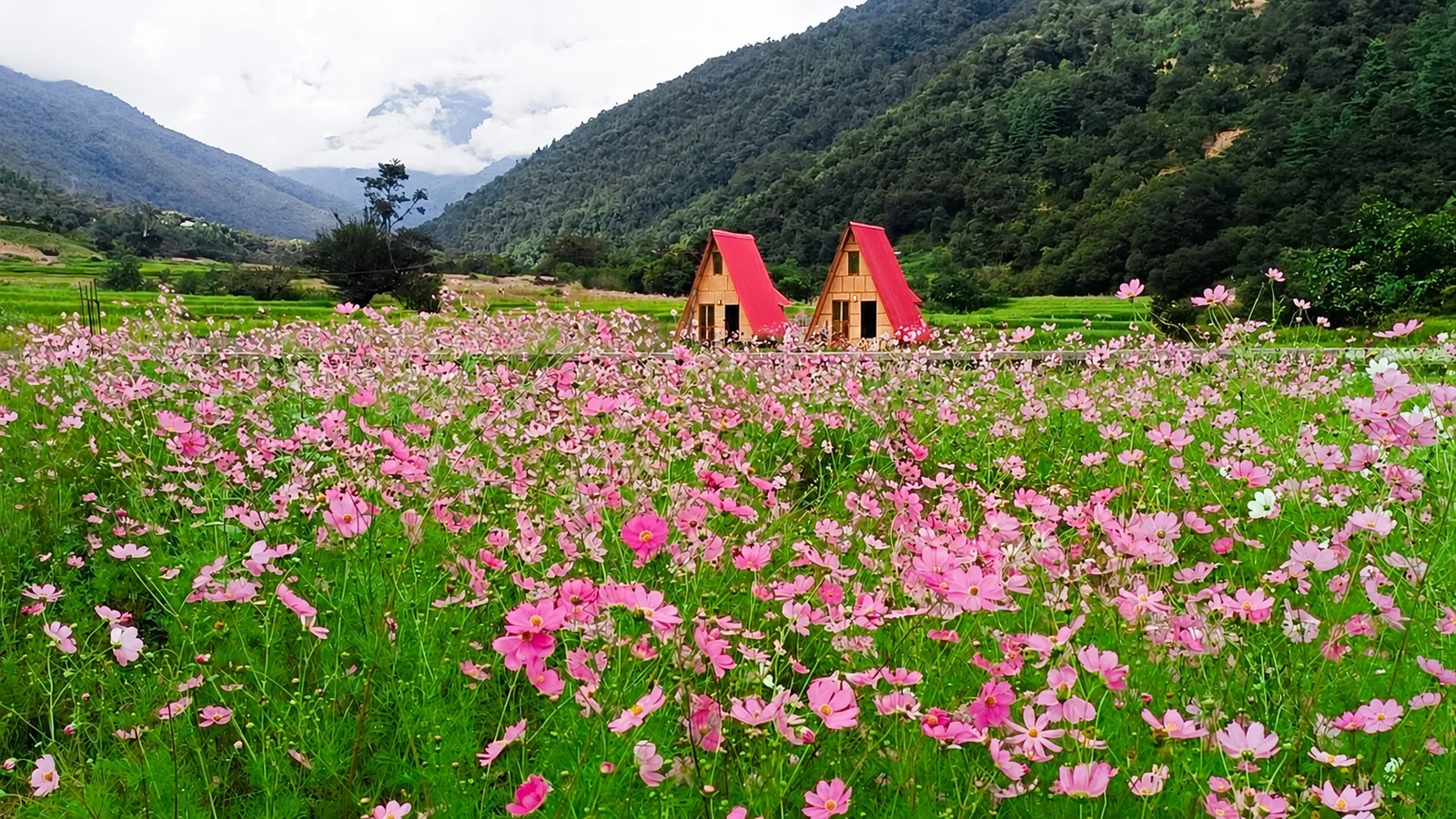
Surrounded by snow-fed streams and alpine forests, Chug Valley near Dirang is a hidden gem for photographers. Its tranquil meadows and wooden houses make it one of the most photogenic highland valleys in the state.
Location: Located near Dirang, reachable by road via Bomdila and Dirang.
What to Capture:
- Alpine meadows dotted with wooden homes
- Sunset reflections in valley streams
- Prayer flags against mountain skylines
Best Time for Shots: April to June and September to October for clear skies and accessible routes.
Shergaon, Arunachal Pradesh
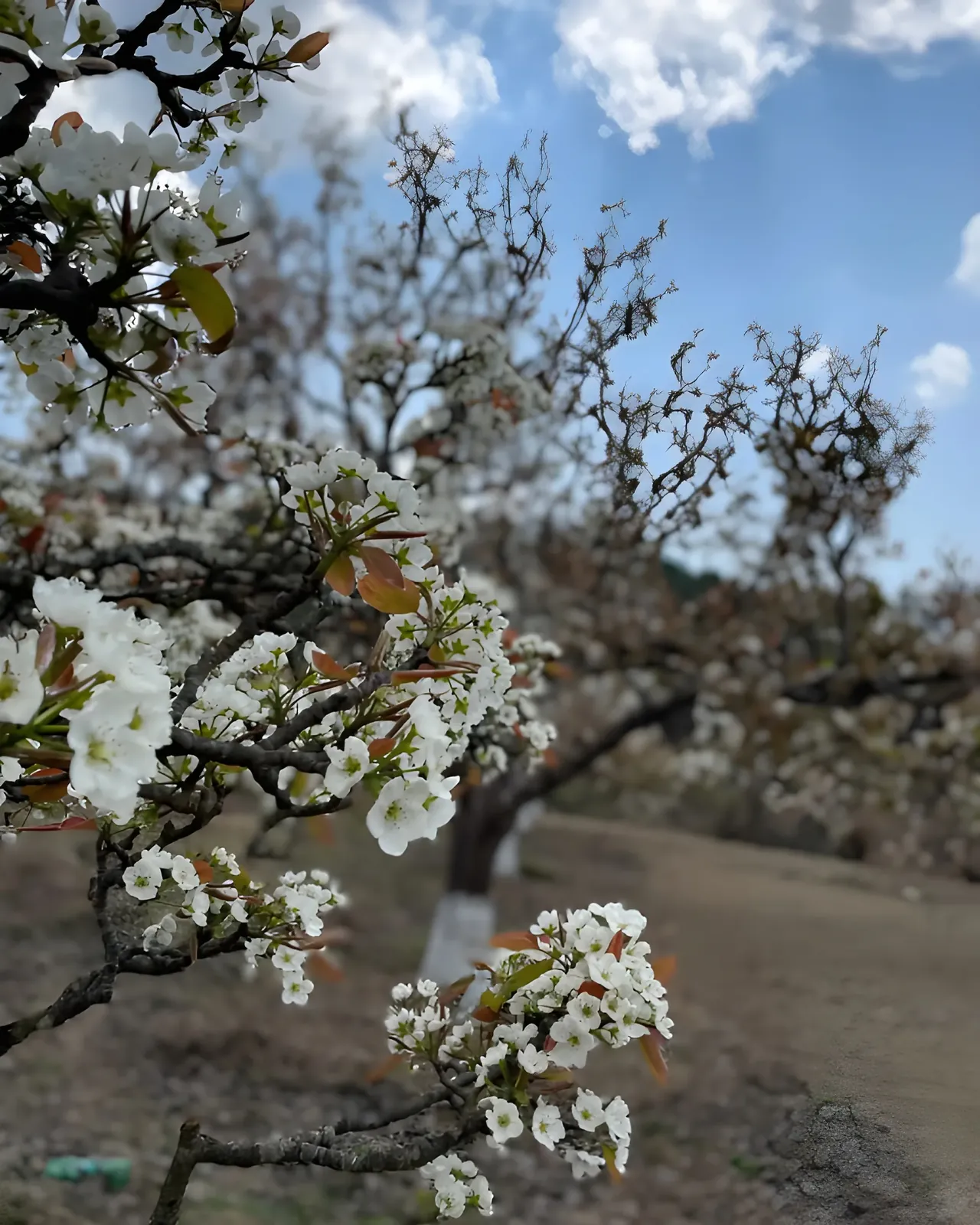
Famous for its apple orchards and Buddhist monasteries, Shergaon offers a unique mix of agriculture and spirituality. The village is often covered in blossoms during spring, creating stunning photography opportunities.
Location: Situated in West Kameng district, around 5 hours by road from Tezpur, Assam.
What to Capture:
- Apple orchards in bloom
- Shergaon Monastery framed by prayer flags
- Traditional Monpa homes with mountain backdrops
Best Time for Shots: March and April for blossoms, or October for clear autumn skies.
Kohima During Hornbill Festival, Nagaland
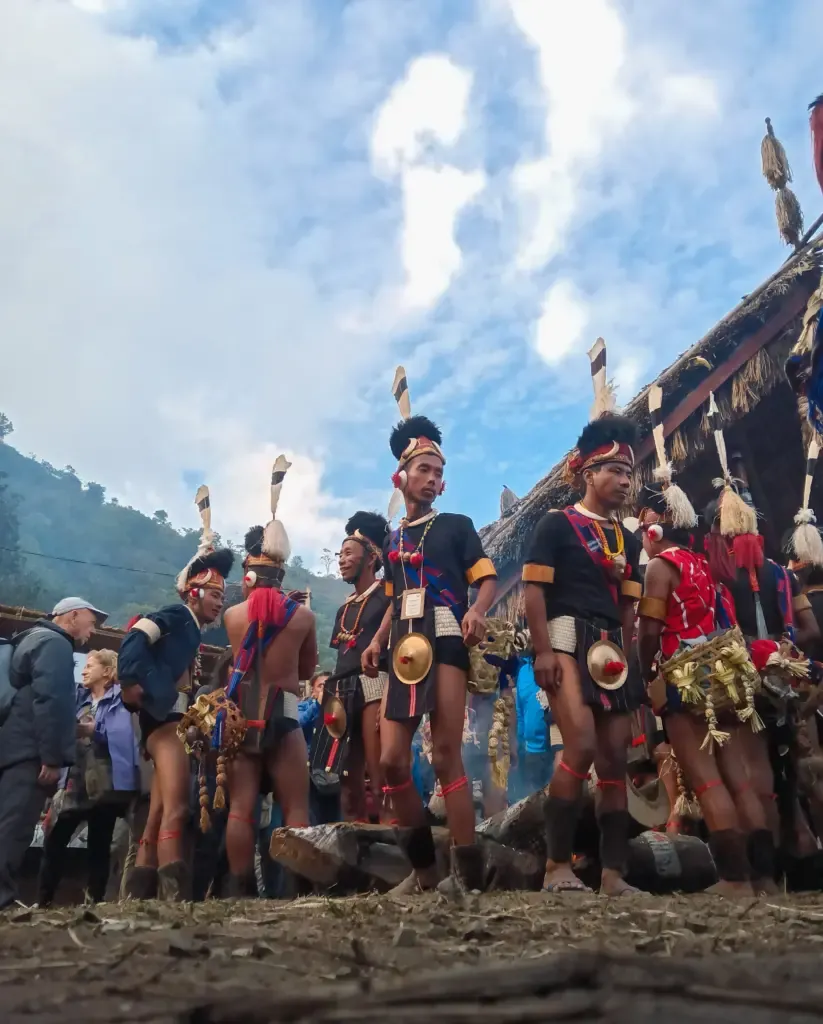
Every December, Kohima transforms into the cultural capital of the Northeast with the Hornbill Festival. The city comes alive with traditional dances, Naga warrior re-enactments, and vibrant markets that make it one of the most visually dynamic experiences in India.
Location: Kohima, the capital of Nagaland, is about 70 km from Dimapur Airport. The festival is held at Kisama Heritage Village, 12 km from Kohima town.
What to Capture:
- Tribal dances in colourful traditional attire
- Bonfires glowing against evening skies
- Stalls with local crafts and cuisine
- Wide-angle shots of Kisama Village amphitheatre
Best Time for Shots: The Hornbill Festival takes place from 1st to 10th December. Morning processions and late-afternoon golden light are the best times.
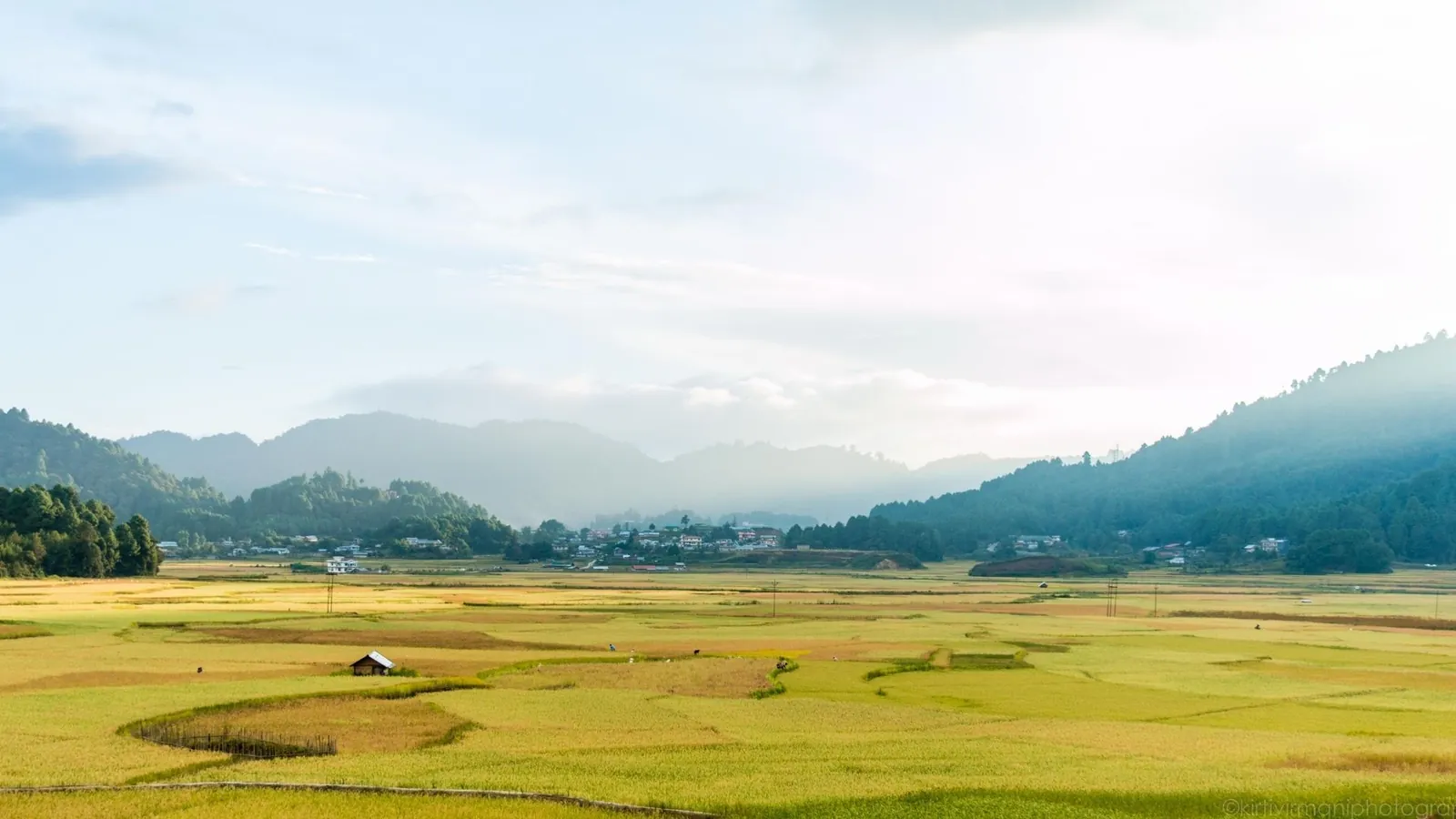
Ziro Valley, Arunachal Pradesh
Known for its lush rice fields and pine-covered hills, Ziro Valley is a paradise for photographers. It’s also home to the Apatani tribe and the famous Ziro Music Festival, making it as culturally rich as it is scenic.
Location: Around 115 km from Naharlagun railway station (near Itanagar). Accessible by road via North Lakhimpur, Assam.
What to Capture:
- Terraced rice fields glowing under morning fog
- Traditional Apatani stilt houses
- Starry skies during the Ziro Music Festival
- Portraits of Apatani women with traditional tattoos
Best Time for Shots: September for the Ziro Music Festival, or October to April for clear landscapes.
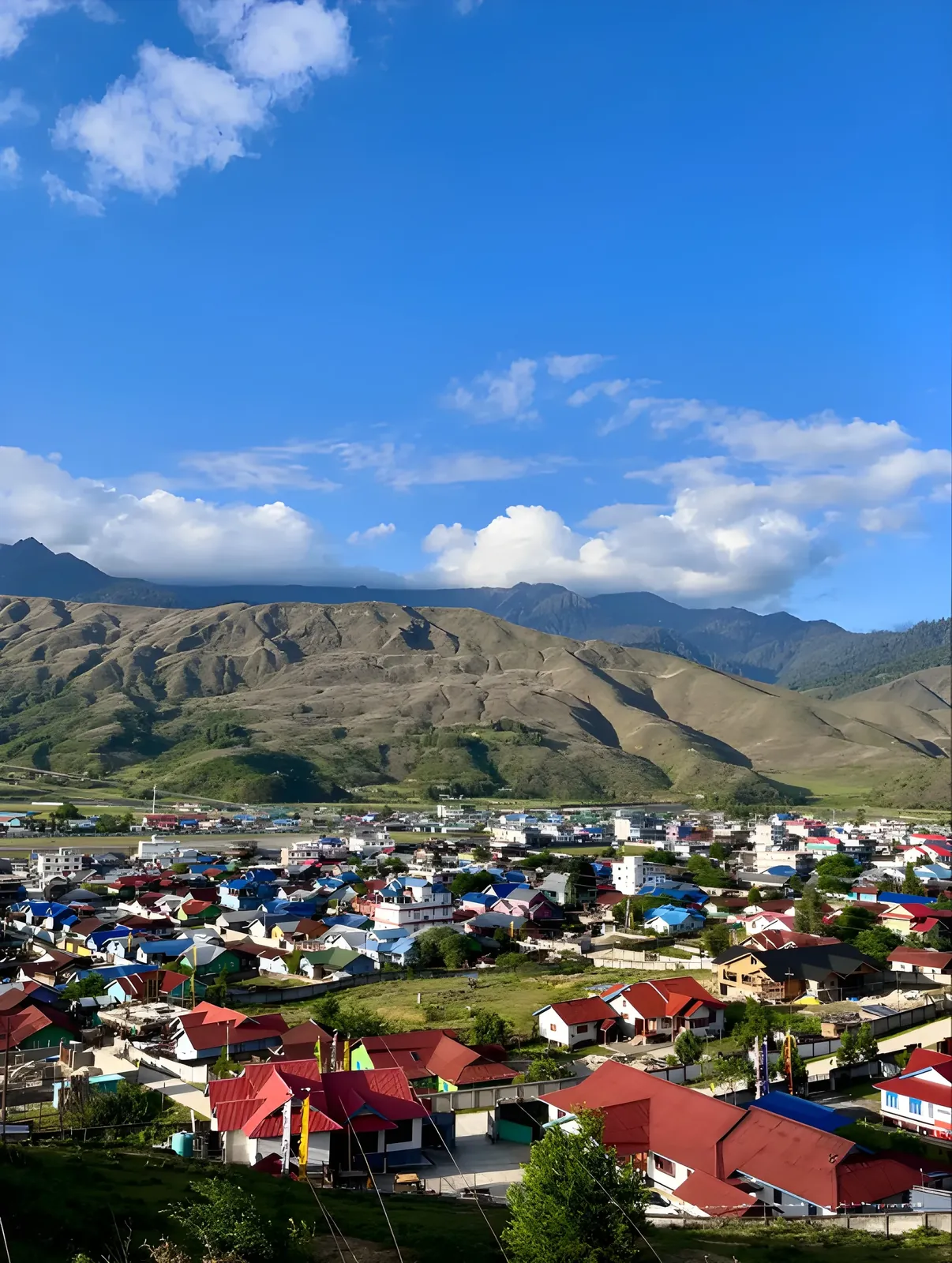
Mechuka Town, Arunachal Pradesh
Nestled in the Shi-Yomi district, Mechuka is known for its wooden houses, snow-capped peaks, and vibrant Buddhist culture. Its isolation gives it an old-world charm that looks incredible in photographs.
Location: About 29 hours by road from Guwahati via Aalo. The nearest airport is Pasighat, followed by a long road journey.
What to Capture:
- The 400-year-old Samten Yongcha Monastery
- Prayer flags fluttering against mountain peaks
- Pastel sunsets over Siyom River
- Drone shots of stilt houses with snowy backdrops
Best Time for Shots: October to March, especially winter months for snow-dusted landscapes.
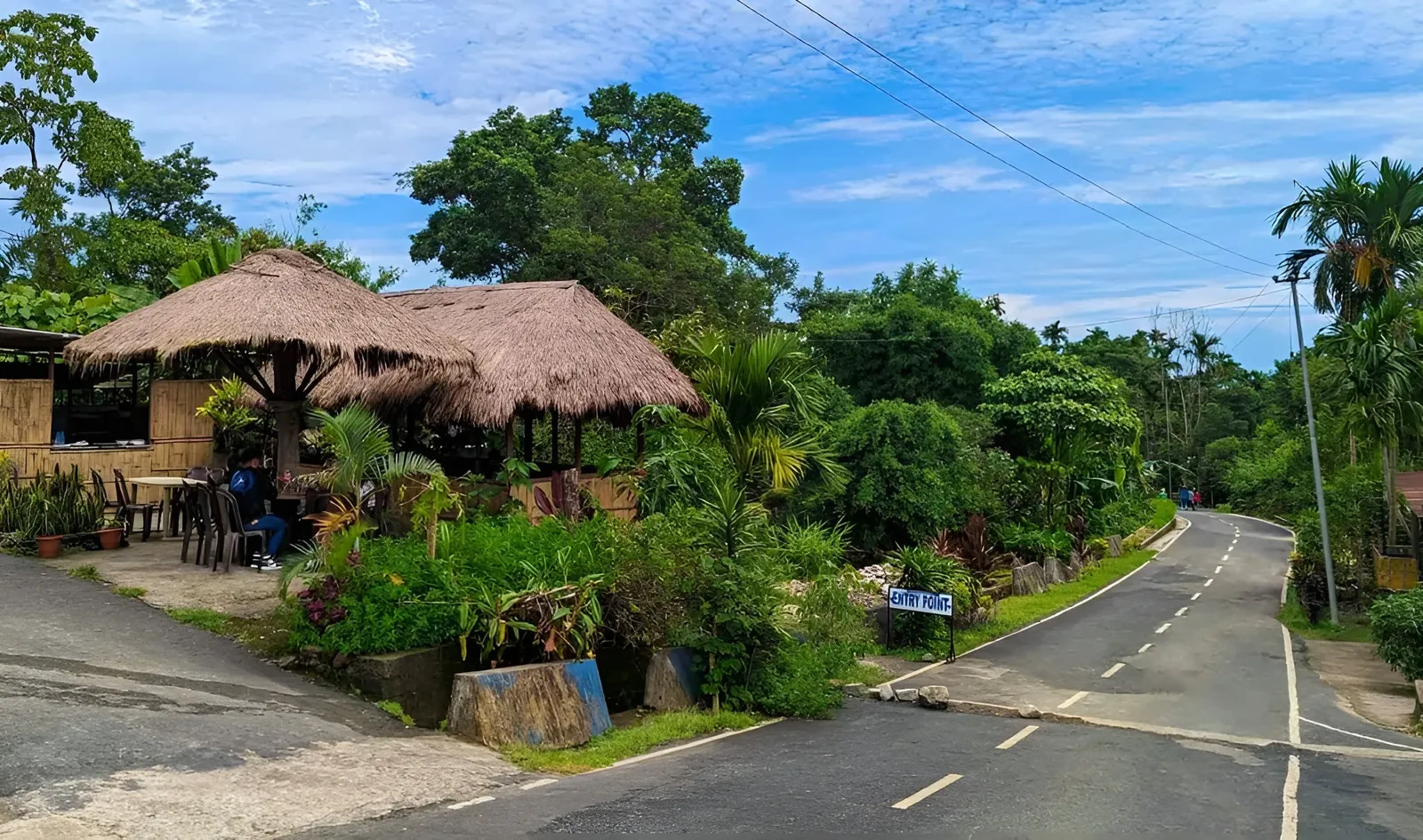
Mawlynnong Village, Meghalaya
Dubbed “The Cleanest Village in Asia,” Mawlynnong is as photogenic as it is unique. Flower-lined streets, bamboo walkways, and eco-friendly homes make it a favourite among travellers.
Location: About 80 km from Shillong, accessible by road. The living root bridge in nearby Riwai is also a highlight.
What to Capture:
- Flower-draped houses and tidy lanes
- Sky View Tower overlooking Bangladesh plains
- Root bridge surrounded by dense forest
- Close-ups of traditional Khasi meals
Best Time for Shots: Post-monsoon months (September to December) for fresh greenery and vibrant flowers.
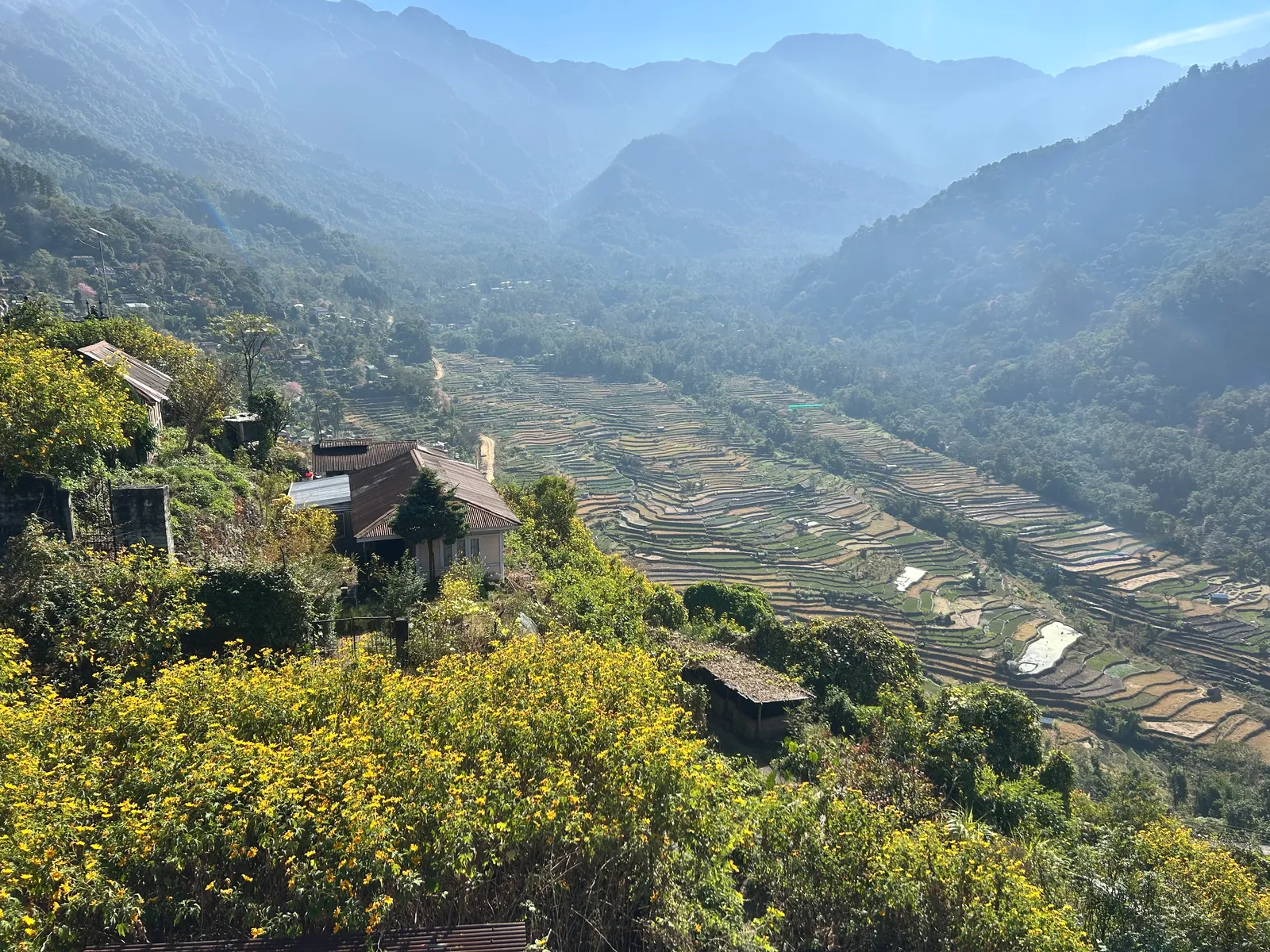
Khonoma Village, Nagaland
Khonoma is Asia’s first green village, known for its sustainable farming and conservation efforts. Surrounded by terraced fields and Angami architecture, it offers an authentic village setting with striking visuals.
Location: Around 20 km from Kohima, easily reachable by car.
What to Capture:
- Terraced fields stretching into the hills
- Traditional Angami homes with animal motifs
- Forest trails in the Khonoma Nature Conservation area
- Stone memorials with historic carvings
Best Time for Shots: October to March for cool weather and active village life.
Kapamodzu During Flower Season, Nagaland
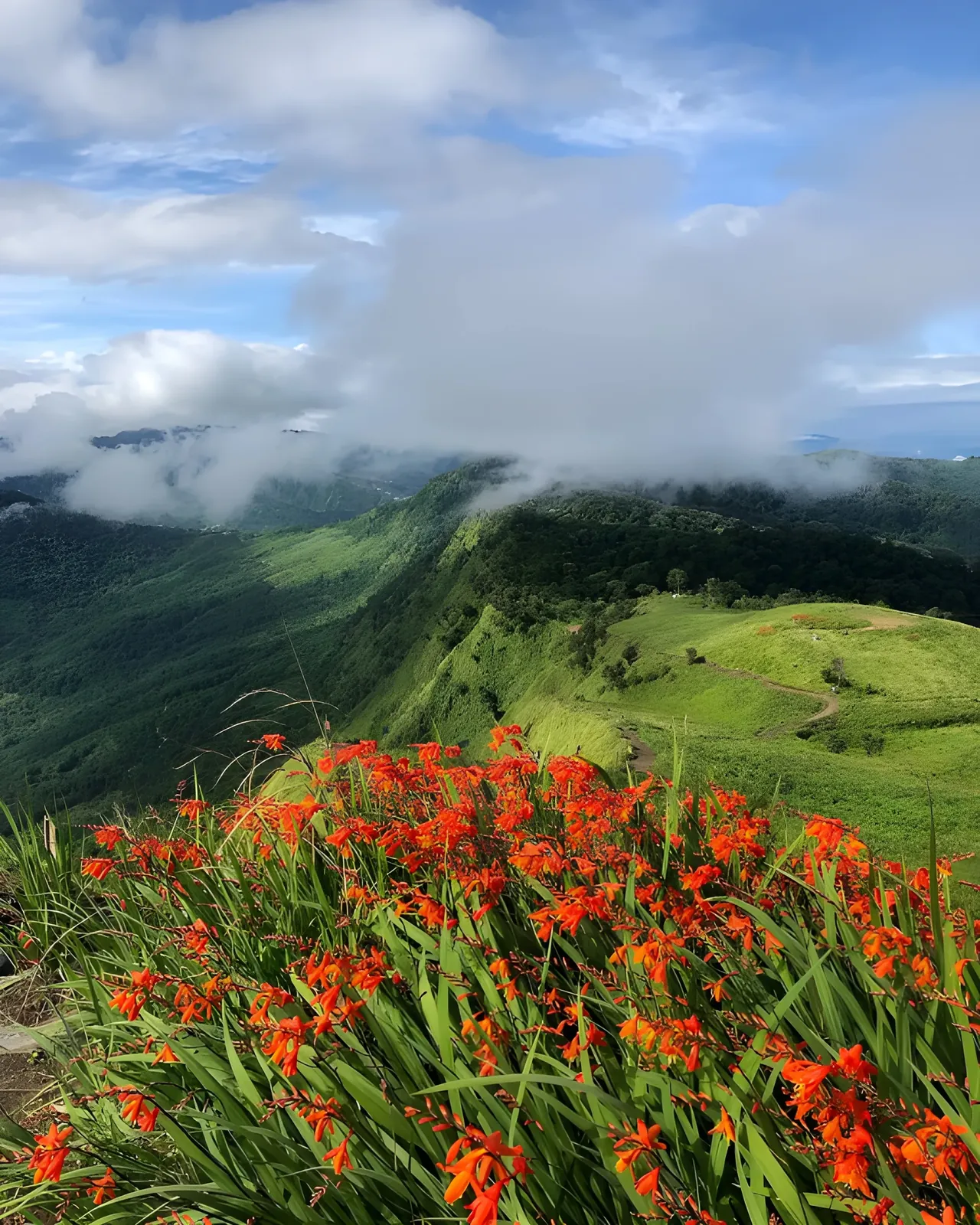
Kapamodzu Peak is a lesser-known gem that bursts into colour during the flower season. Rolling meadows covered in blossoms make it a dream setting for wide and vibrant frames.
Location: Near Phek district, Nagaland, accessible by road from Kohima.
What to Capture:
- Meadows filled with seasonal wildflowers
- Expansive valley views from the peak
- Close-up macro shots of local blooms
- Sunset colours blending into flower fields
Best Time for Shots: February to April during blooming season, early mornings for misty meadows.
Namsai, Arunachal Pradesh
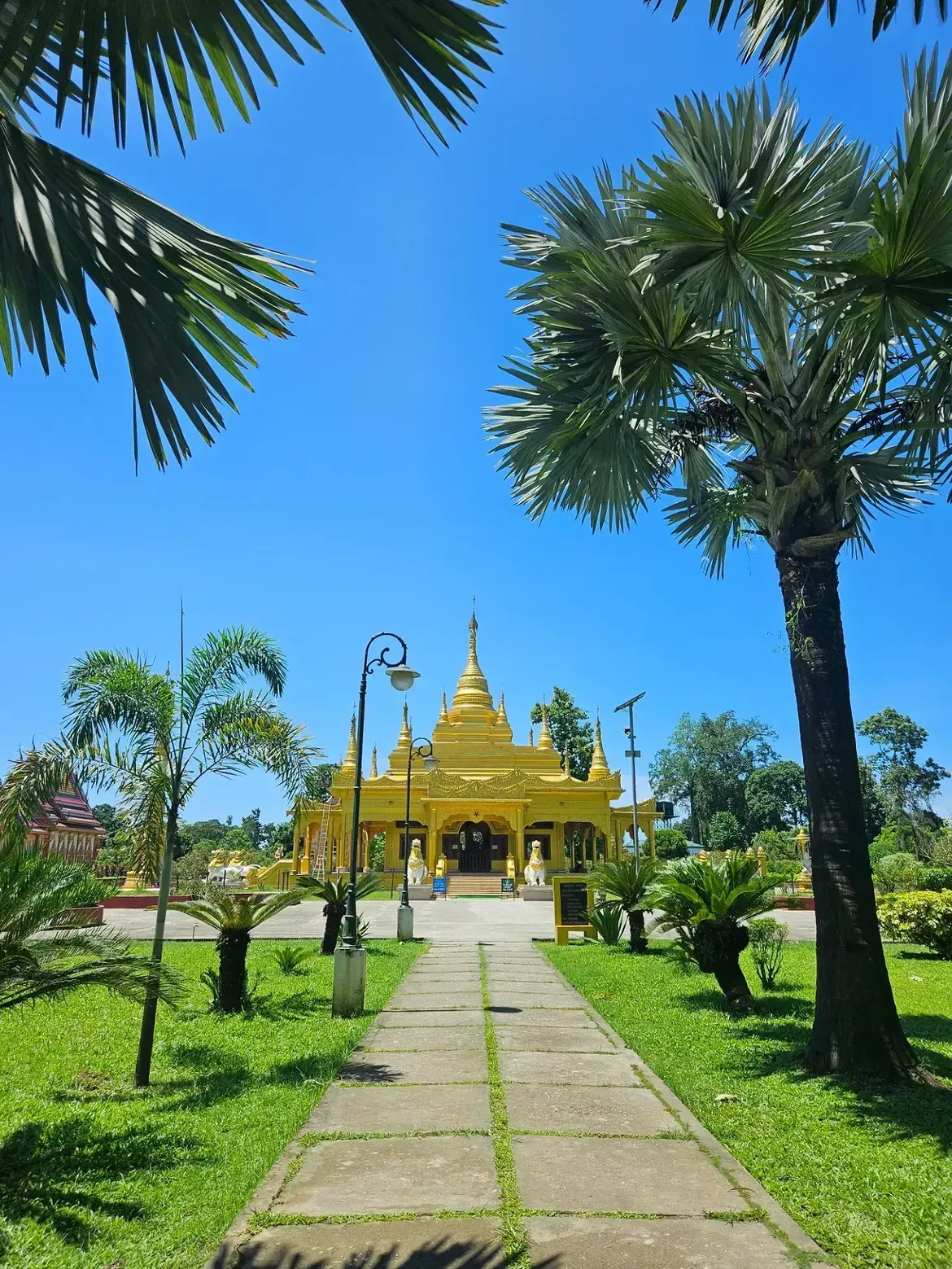
Namsai is best known for its Golden Pagoda, a Thai-style Buddhist temple shimmering in sunlight. Its floating resorts along the Tengapani River also make it one of the most unique photography spots in Northeast India.
Location: About 30 km from Tinsukia, Assam, connected by road.
What to Capture:
- Golden Pagoda at sunrise glowing against blue skies
- Floating bamboo cottages on the river
- Candlelit evening ceremonies inside the pagoda
- Aerial shots of surrounding rice paddies
Best Time for Shots: November to February for clear skies and golden light.
Krem Mawmluh & Krem Liat Prah, Meghalaya
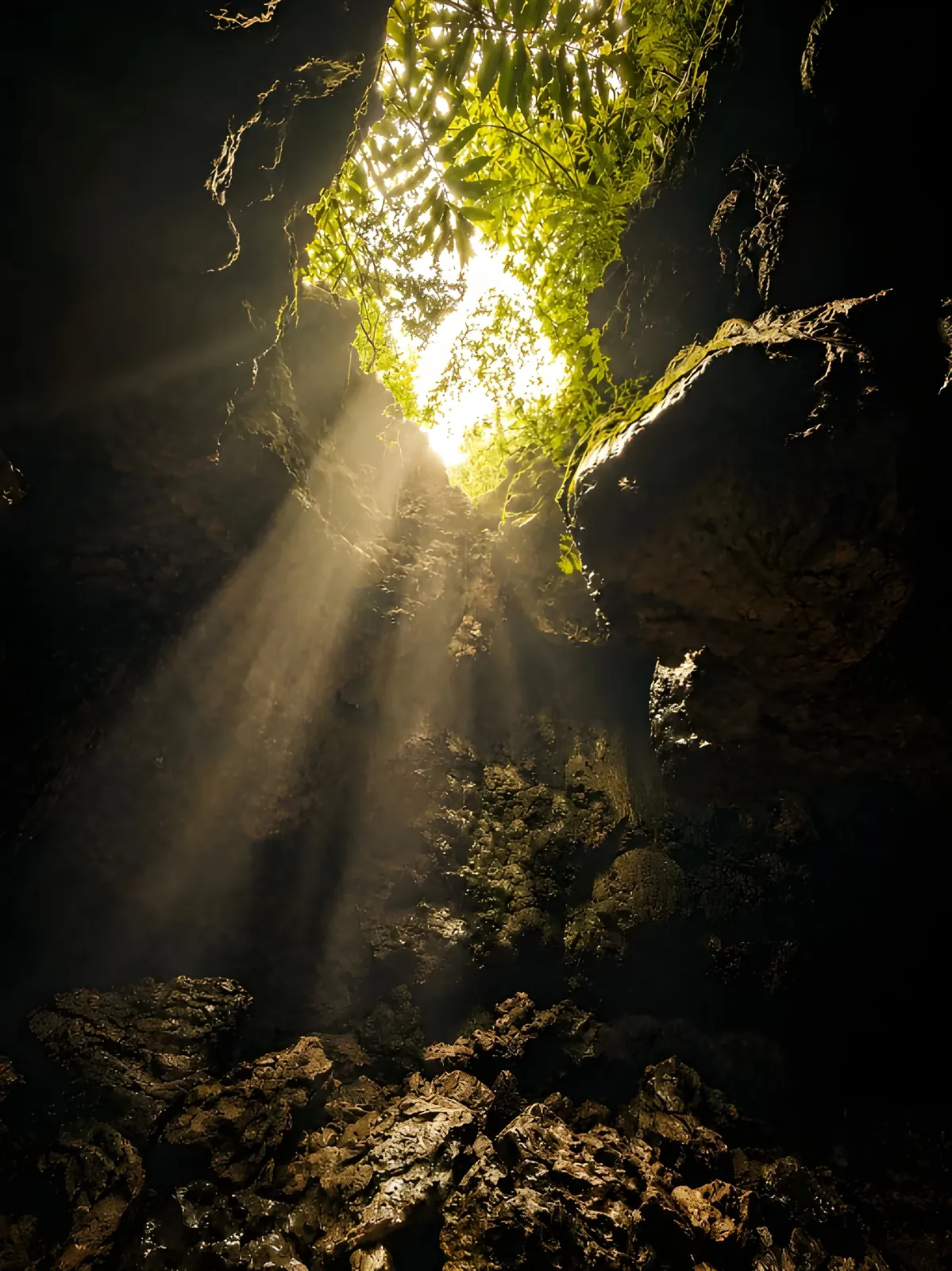
For cave photography enthusiasts, Meghalaya is a treasure chest, and Krem Mawmluh and Krem Liat Prah are among the most famous. Krem Mawmluh is known for its five different river passages, while Krem Liat Prah is the longest cave in India. Both offer unique underground shots unlike anywhere else.
Location: Near Sohra (Cherrapunji), Meghalaya. Both caves are accessible by guided tours from Shillong or Cherrapunji.
What to Capture:
- Stalactites and stalagmites illuminated by torchlight
- Underground streams and reflective cave pools
- Wide shots of cavern chambers
- Adventurers silhouetted against cave entrances
Best Time for Shots: November to April when caves are drier and safer to explore.
Krem Chympe, Meghalaya
Krem Chympe is one of the largest cave systems in India and is still relatively unexplored. It is home to underground waterfalls and colonies of bats, making it a surreal yet challenging destination for photographers.
Location: Located in Jaintia Hills, Meghalaya, and requires a permit and guide to enter.
What to Capture:
- Hidden underground waterfalls cascading into pools
- Natural rock formations glowing in low light
- Bats flying across chamber ceilings
- Long-exposure shots of streams in the dark
Best Time for Shots: November to March for easier access with minimal flooding.
Mawphanlur, Meghalaya
Often called the “land of seven lakes,” Mawphanlur is a serene highland village surrounded by still-water lakes that reflect the skies above. Its calm beauty makes it ideal for wide and dreamy compositions.
Location: About 75 km from Shillong, West Khasi Hills. Accessible via Mairang town.
What to Capture:
- Mirror-like reflections of lakes under blue skies
- Traditional Khasi homes by the lakeside
- Early morning mist settling on the hills
- Wide drone shots capturing multiple lakes at once
Best Time for Shots: October to March when skies are clear and lakes remain calm.
Sacred Grove Forest of Mawphlang, Meghalaya
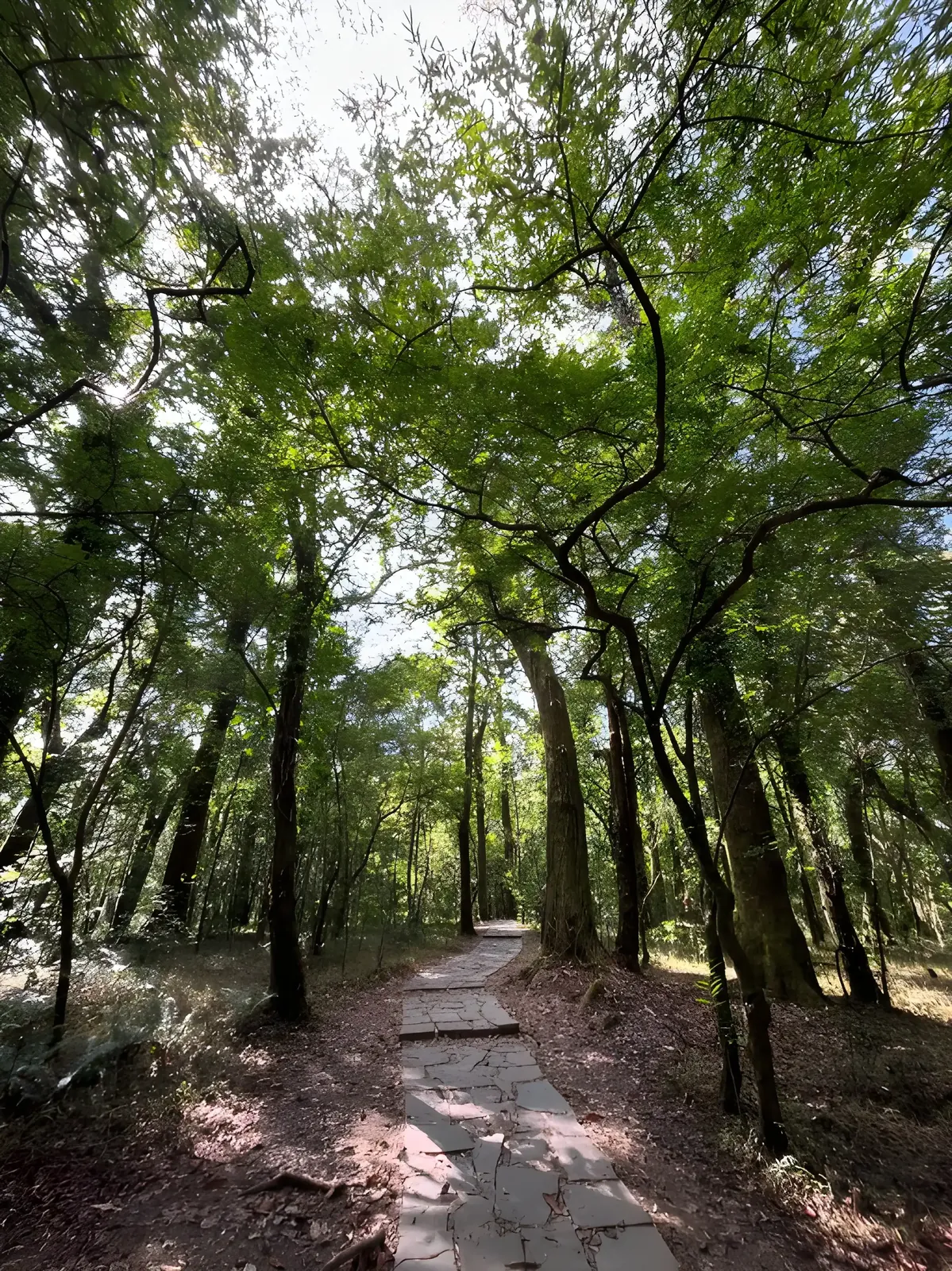
The Sacred Grove of Mawphlang is a mystical forest where nature and tradition blend. Known for its ancient trees, mossy rocks, and cultural significance among the Khasi people, it offers a distinct mystical charm for photographers.
Location: Just 25 km from Shillong, easily reachable by road.
What to Capture:
- Sunlight filtering through moss-draped trees
- Close-ups of wild orchids and mushrooms
- Pathways framed by ancient roots
- Storytelling portraits of local Khasi guides
Best Time for Shots: October to May for sunlight breaking through the canopy.
Tawang Monastery, Arunachal Pradesh
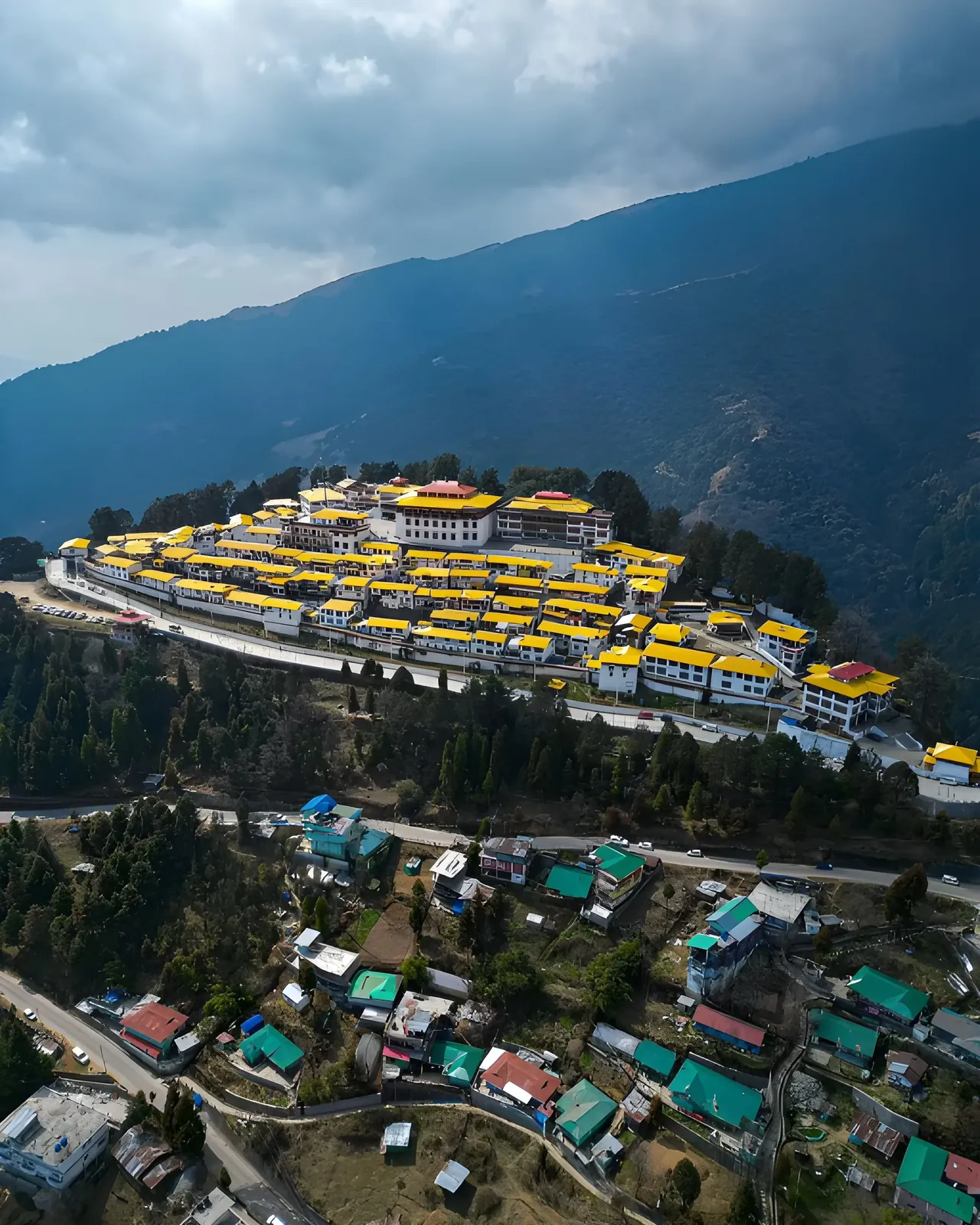
One of the largest monasteries in India, Tawang Monastery is perched on a hill overlooking the Tawang Valley. Its golden roofs and prayer halls make it one of the most spiritual and picturesque locations in the Northeast.
Location: About 330 km from Tezpur, Assam. Connected by road via Bomdila and Sela Pass.
What to Capture:
- Monastery framed by snow-capped mountains
- Rows of monks in crimson robes during morning prayers
- Golden rooftops under sunrise light
- Wide panoramas of Tawang town and valley
Best Time for Shots: November to March for snowy backdrops or during Losar Festival in February.
Pasighat, Arunachal Pradesh
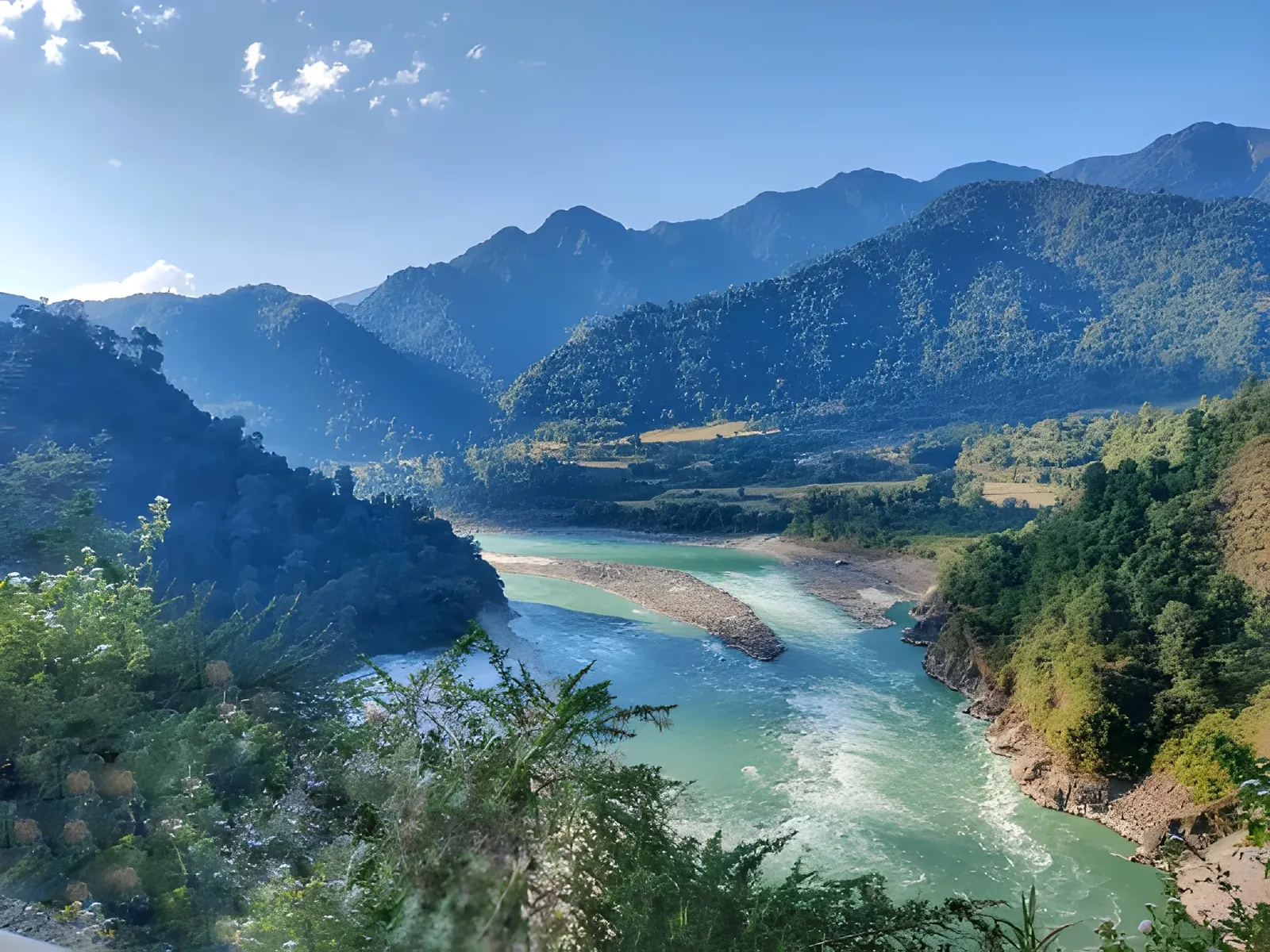
Known as the gateway to Arunachal Pradesh, Pasighat sits along the Siang River and is one of the oldest towns in the state. Its combination of rivers, hills, and rural life creates varied opportunities for content creators.
Location: About 270 km from Itanagar, accessible via Dibrugarh Airport in Assam followed by a road journey.
What to Capture:
- Siang River at golden hour
- Bamboo bridges across the river
- Portraits of Adi tribes in traditional wear
- Drone shots of river valleys surrounded by forest
Best Time for Shots: October to April for clearer skies and accessible routes.
Dambuk, Arunachal Pradesh
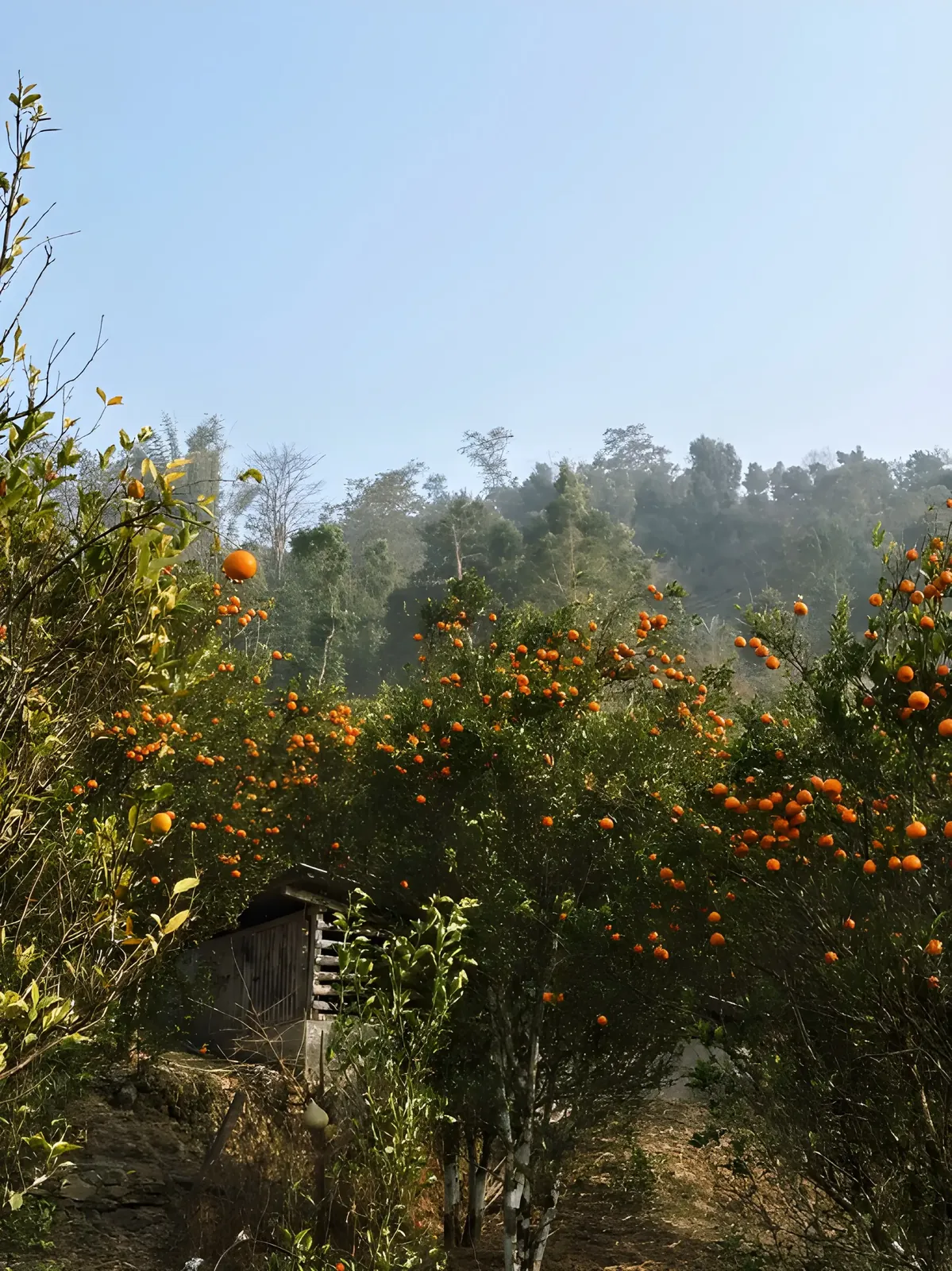
Dambuk is famous for its sprawling orange orchards and also for hosting the Orange Festival of Adventure and Music. This small town blends agricultural beauty with cultural vibrance.
Location: About 30 km from Roing, Lower Dibang Valley. Connected by road.
What to Capture:
- Orange orchards glowing under winter sun
- Festival stages with mountains in the backdrop
- Rustic village scenes among orchards
- Sunlit portraits with baskets of oranges
Best Time for Shots: December during the Orange Festival, or winter months for orchards in full bloom.
Sivasagar, Assam
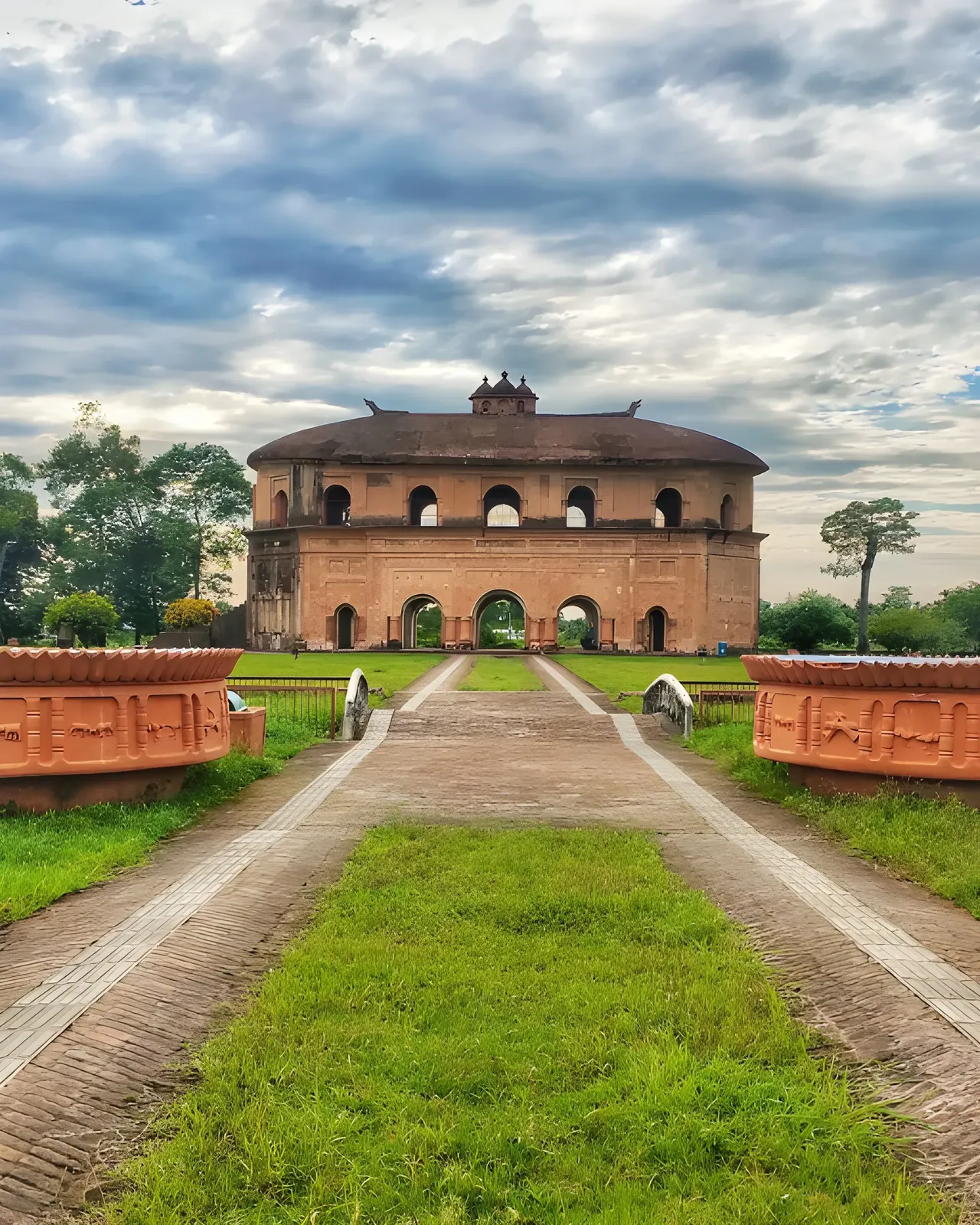
Once the capital of the Ahom dynasty, Sivasagar is a town steeped in history. The ruins, temples, and tanks here make for a blend of heritage and landscape photography.
Location: About 370 km from Guwahati, connected by road and rail.
What to Capture:
- Reflections of Rang Ghar, the royal amphitheatre, on still waters
- Sivasagar Tank at sunrise
- Intricate carvings of Sivadol temple
- Panoramic shots of Ahom ruins with surrounding greenery
Best Time for Shots: November to March for pleasant weather and vibrant skies.
Mandala Top, Arunachal Pradesh
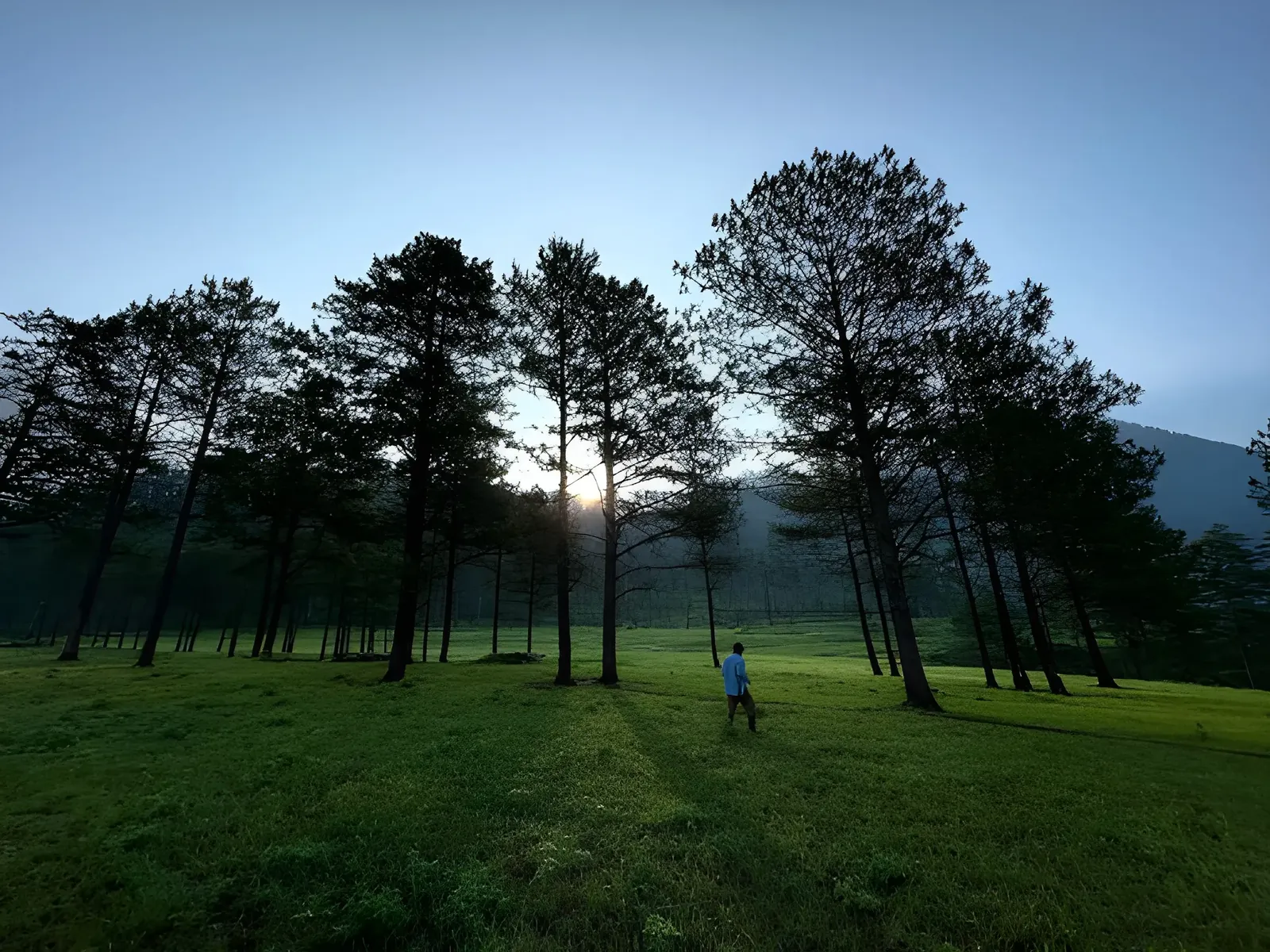
Mandala Top is a hidden gem located near Dirang, dotted with over 108 stupas. The combination of prayer flags fluttering in the wind and sweeping mountain views makes it a serene spot for photography.
Location: Around 30 km from Dirang, accessible by road.
What to Capture:
- Rows of white stupas aligned on hilltops
- Prayer flags stretched against blue skies
- Wide shots of surrounding valleys
- Golden-hour photos of stupas with mountains in the backdrop
Best Time for Shots: October to April for clear skies and golden light.
Dong Valley, Arunachal Pradesh
Dong Valley holds the title of being the first place in India to witness the sunrise. This makes it a dream location for anyone chasing unique frames of dawn over pristine valleys.
Location: Near Walong in Anjaw district, reachable by road from Tezu and Hayuliang.
What to Capture:
- Sunrise over the mountains with first rays hitting the valley
- Hanging bridges across the Lohit River
- Pine forests glowing in early morning light
- Trekking portraits under starry skies before dawn
Best Time for Shots: November to February for the clearest skies and crisp mornings.
Pfutsero, Nagaland
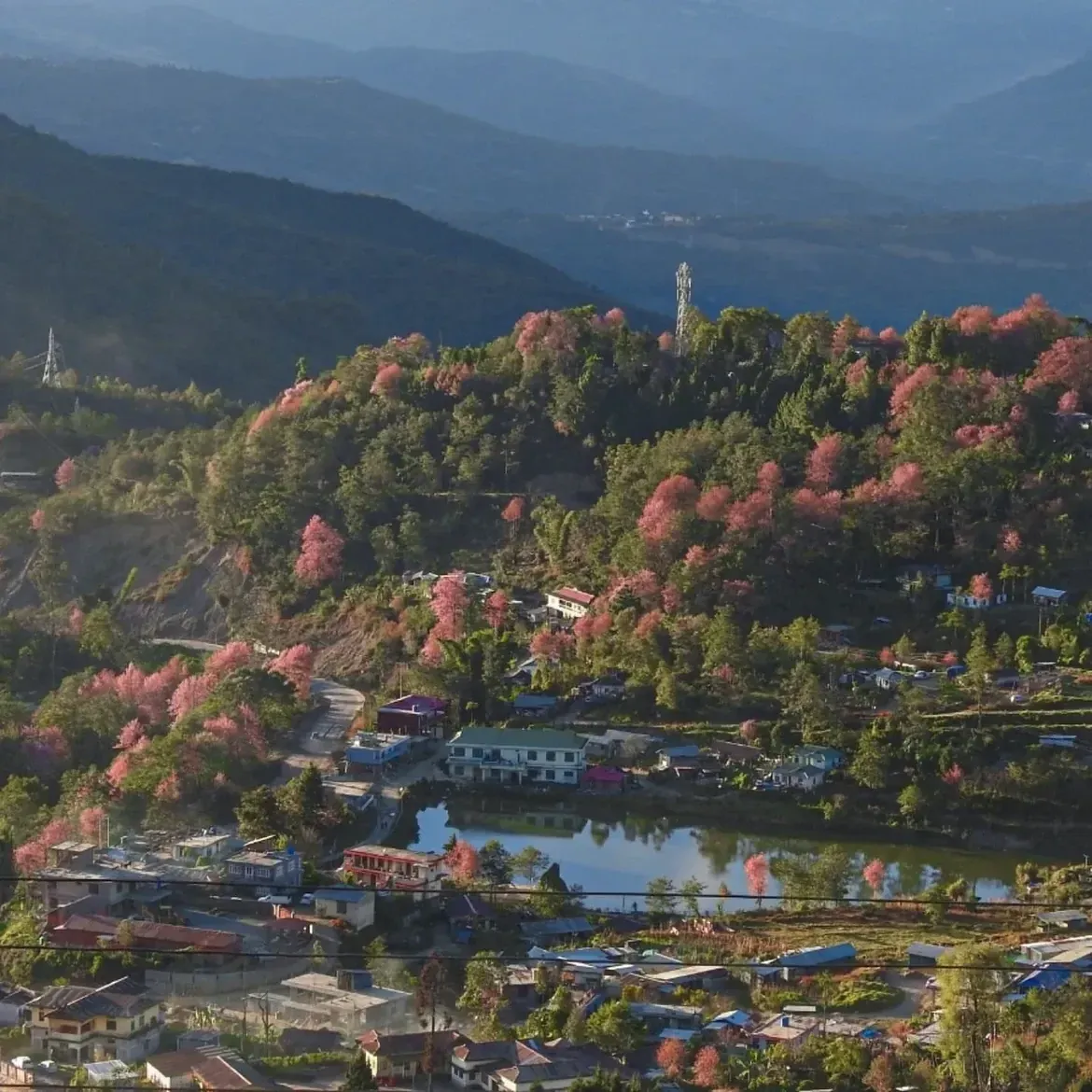
Nagaland’s highest altitude town, Pfutsero, is known for its cold climate, cherry blossoms, and stunning views of surrounding valleys. It is particularly photogenic during winter.
Location: About 70 km from Kohima, accessible by road.
What to Capture:
- Cherry blossom trees lining village paths
- Morning mist rolling over terraced fields
- Wide drone shots of town and valley
- Winter sunrise glowing over ridges
Best Time for Shots: November to February, especially during cherry blossom season.
Conclusion: Capturing the Spirit of the Northeast
From hidden caves and ancient monasteries to pristine lakes and remote villages, the most Instagrammable places in Northeast India are a mix of nature, heritage, and culture. Each destination offers not just a frame but an experience, a reminder that beauty here is raw and unfiltered.
Whether it is the crystal waters of Dawki, the orchids of Dzukou Valley, or the orange orchards of Dambuk, every corner of this region offers unique visuals waiting to be framed. Travellers who venture here often find that the best photographs come not only from the landscapes but also from the stories, traditions, and people that make them alive.
Northeast India remains one of the few places where photographers and content creators can capture moments that feel timeless, untouched, and truly authentic. For your next adventure, let these 25 locations be your guide to framing beauty that speaks louder than filters ever could.