Table of contents
- 1 What is the Hornbill Festival of Nagaland?
- 2 Why is the Hornbill Festival celebrated?
- 3 The Colourful Warrior Tribes of Nagaland
- 4 Where and when is it celebrated?
- 5 How to reach Kisama Heritage Village
- 6 Accommodation for the Hornbill Festival
- 7 Things to do at the Hornbill Festival
- 7.1 Visit the community Morungs and buy souvenirs
- 7.2 Talk to the tribes
- 7.3 Enjoy cultural performances at the amphitheatre
- 7.4 Taste traditional Naga delicacies
- 7.5 Taste and buy the local wines
- 7.6 Enjoy music and rock concerts
- 8 Travel tips
- 9 Places to visit during the Hornbill Festival
- 9.1 Kohima
- 9.2 Khonoma
- 9.3 Dzukou Valley
- 9.4 Pfutsero
Hornbill Festival of Nagaland serves as the best introduction to the traditional and cultural montage of Nagaland. This breathtaking celebration of life, culture, cuisine and tribes is the most colourful extravaganza in North-East India, among the myriad festivals of India, it has earned the title “The Festival of Festivals”.

What is the Hornbill Festival of Nagaland?
The Hornbill Festival is an experiential representation of all the ethnic tribes under the same roof, the 17 indigenous warrior tribes of Nagaland showcase their music, dance, art, food, attire, traditional sports and much more.
There are Morungs, or huts, in the festive ground representing each tribe, and every morning a cultural show introduces all the tribes, bringing you a step closer to every culture followed in Nagaland.
Held annually over 10 days in the first week of December and organised by the State Government, the festival encourages inter-tribal interaction and harmony while giving visitors a chance to experience the Naga way of life.
Why is the Hornbill Festival celebrated?
The festival is named after the hornbill, a bird that symbolises respect and folklore among the Nagas. Hornbill feathers traditionally decorated the headgears of Naga warriors, a culture so deeply ingrained that the birds were nearly hunted to extinction in Nagaland.
With time, the local community understood the importance of preserving wildlife, and turning hunters into protectors became a mission, and naming the festival after the hornbill was one step in that process. Incepted in the year 2000, this project for promoting the diverse cultures of Nagaland now attracts tourists globally.
The Colourful Warrior Tribes of Nagaland

The 17 indigenous tribes that take part in the Hornbill Festival are:
- Angami
- Ao
- Chakhesang
- Chang
- Dimasa Kachari
- Garo
- Khiamniungan
- Konyak
- Kuki
- Lotha
- Phom
- Pochury
- Rengma
- Sangtam
- Sumi
- Yimchungru
- Zeme-Liangmai (Zeliang)
Each tribe has its own customs, festivals, language, attire and culture, with sub-tribes speaking their own dialects.
Where and when is it celebrated?
The festival takes place at the Kisama Heritage Village, in the foothills of Mount Japfu, around 13–17 km from the state capital Kohima. Shared taxis run from Kohima to Kisama throughout the festival.
It runs every year from December 1 (Nagaland Statehood Day) to December 10, ten festive days when this remote land of brave warriors turns lively and vibrant.
How to reach Kisama Heritage Village
First reach Kohima: take a flight or train to Dimapur, then a taxi or bus to Kohima. From Kohima, taxis to Kisama are easily available throughout the day, especially during the festival.
Accommodation for the Hornbill Festival
Options range from luxury hotels to budget hostels in Kohima and Dimapur. Rooms fill up fast as the festival approaches, so book in advance. Homestays are available in Kigwema village, at walking distance from the venue. And if you find solace under a million stars, camping with a bonfire, music and good people is an experience of its own.
Things to do at the Hornbill Festival

Visit the community Morungs and buy souvenirs
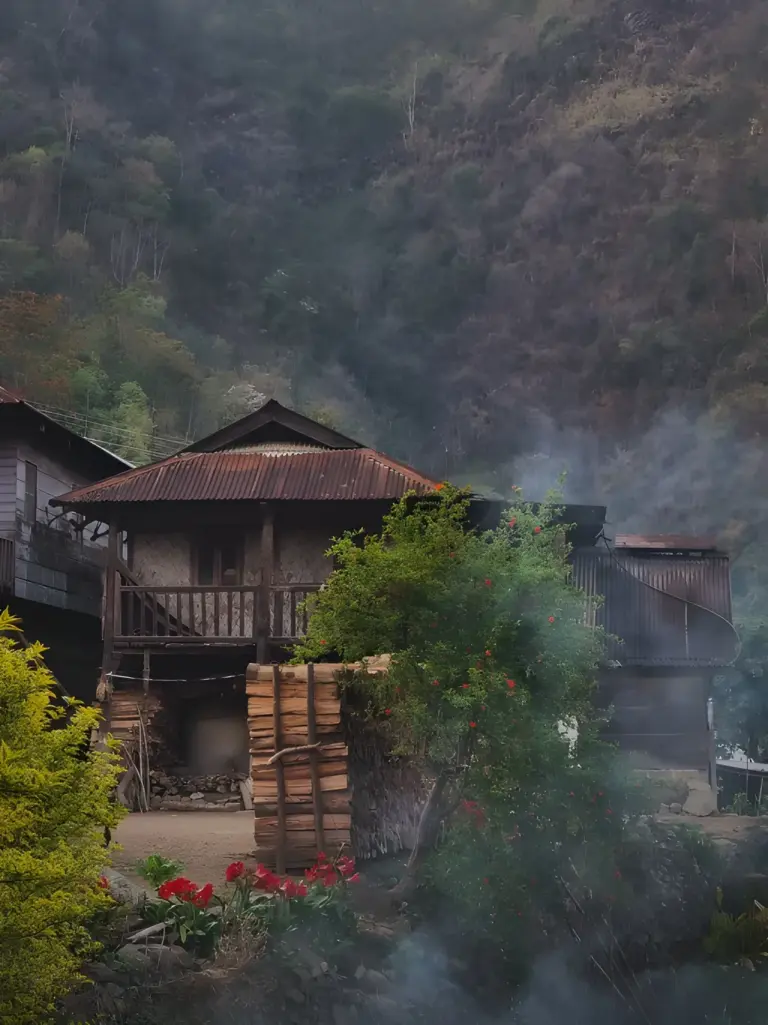
The traditional Naga Morungs exhibit brilliant vernacular architecture. Inside, elders sit around a central fireplace; outside, men and women in resplendent attire sell handicrafts, jewellery, attire, decorative items and food. This is where visitors spend most of their time.
Talk to the tribes
Strike up a conversation about lifestyle, culture and dialects. The first day is the best time: performances start in the evening and everyone is in a happy mood.
Enjoy cultural performances at the amphitheatre
The star attraction: every day the 17 tribes showcase traditional dances and songs, narrating the occasion each dance celebrates, in colourful attire and stunning headgears, accompanied by eclectic folk music and perfectly synchronised choreography.
Taste traditional Naga delicacies
The Morungs are a paradise for non-vegetarian food lovers: pork preparations, chicken with bamboo shoot, brown rice, rice cakes, beef pickles and a variety of chutneys. Don’t miss the Naga chilli-eating and pork-eating contests, or the local farmers’ produce on display.
Taste and buy the local wines
Every tribe brews its own rice beer, each with a distinct taste, served in bamboo mugs, a standout experience after sampling the Naga cuisine.
Enjoy music and rock concerts

The Hornbill Music Festival, India’s longest music festival, features live concerts by international artists and a rock-band competition drawing bands from all over India, with live shows at Kisama and multiple venues across Dimapur and Kohima.
Travel tips
- Nights drop to around 5–6°C or less, so carry adequate woollens, jackets, gloves, caps and socks.
- Carry comfortable walking shoes; you will walk a lot at the venue.
- If camping, bring your own sleeping bag, pillow, towel and torch.
- Cash, debit cards and mobile payments are accepted, but keep some cash as backup for connectivity issues.
- Be respectful to the tribes and their traditions, even when something is not to your taste.
Places to visit during the Hornbill Festival
Kohima
A quaint town with cafes serving modern takes on Naga cuisine and locally grown coffee. Walk the night markets and visit the WWII Cemetery for a glimpse of the bygone days.
Khonoma
Asia’s first green village, where poachers turned protectors, with real-life Morungs, terraced agriculture and traditional weaving. Nearby villages Jakhama, Touphema and Dzuleke are all within 20 km of Kohima.
Dzukou Valley
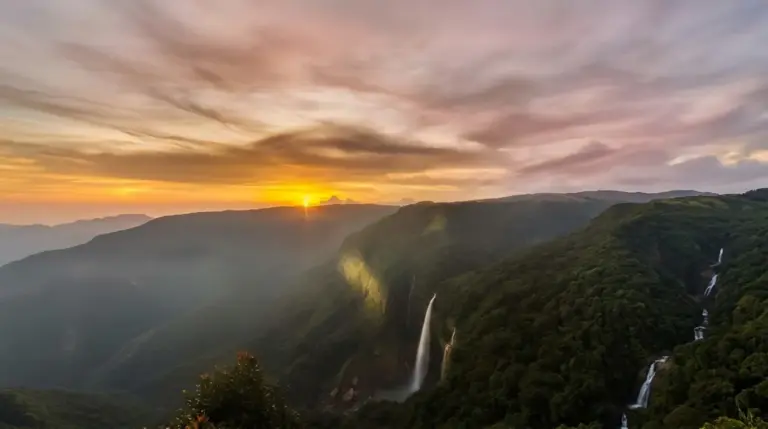
The emerald rolling valley is one of the easiest and shortest treks in North-East India, starting 20 km from Kohima and just 10 km from Kisama, breathtakingly beautiful and firmly bucket-list material.
Pfutsero
Nagaland’s highest and coldest inhabited town, around 60 km from Kohima, famous for its cherry blossoms.
Planning to attend Hornbill Festival 2026? Explore our Hornbill Festival packages: curated group departures with camping at Kisama, Dzukou treks and Khonoma tours.