
Best Treks in Northeast India Ranked by Difficulty & Beauty
Explore the best treks in Northeast India, ranked by difficulty and beauty. Includes offbeat trails and expert travel tips for every kind of trekker.
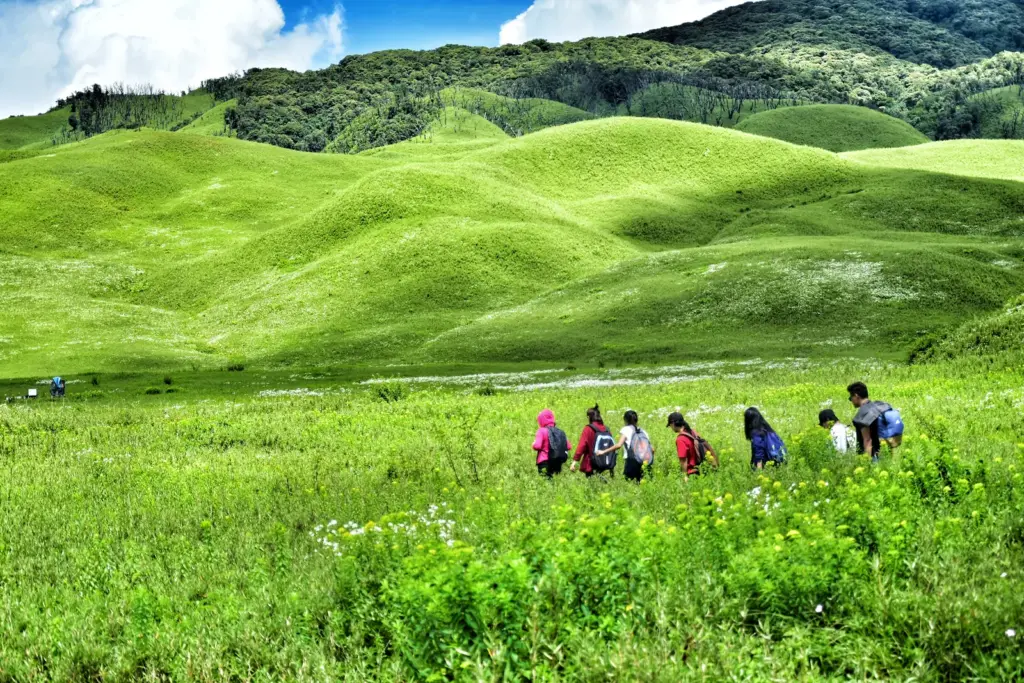
Table of contents
- 1 Introduction
- 2 Dzukou Valley Trek (Nagaland–Manipur Border)
- 3 Krem Chympe (Meghalaya)
- 4 Shirui Peak Trek (Manipur)
- 5 Bailey Trail Trek (Arunachal Pradesh)
- 6 Mawryngkhang Bamboo Trek (Meghalaya)
- 7 Japfu Peak Trek (Nagaland)
- 8 Saramati Peak Trek (Nagaland–Myanmar Border)
- 9 Tumjang Peak Trek (Assam)
- 10 Tips for Trekking in Northeast India
- 10.1 Best Seasons to Visit
- 10.2 Permits & Entry Requirements
- 10.3 Safety and Essentials
- 10.4 Responsible Trekking
- 11 Conclusion
Introduction
Northeast India remains one of the last truly untamed trekking frontiers in the country. A land of rolling meadows, snow-capped ridges, bamboo forests, and living root bridges, the region is unmatched in both natural beauty and cultural diversity. What makes trekking here especially magical is the sheer variety: from easy day hikes across tea villages in Meghalaya to multi-day alpine expeditions in Arunachal Pradesh.
This list ranks the top treks in Northeast India based on a blend of difficulty and scenic beauty. Whether you’re a beginner looking for serene trails or an experienced trekker craving a physical challenge, there’s something here for everyone.
Dzukou Valley Trek (Nagaland–Manipur Border)
Difficulty: Easy–Moderate
Beauty Rating: 5/5
Overview:
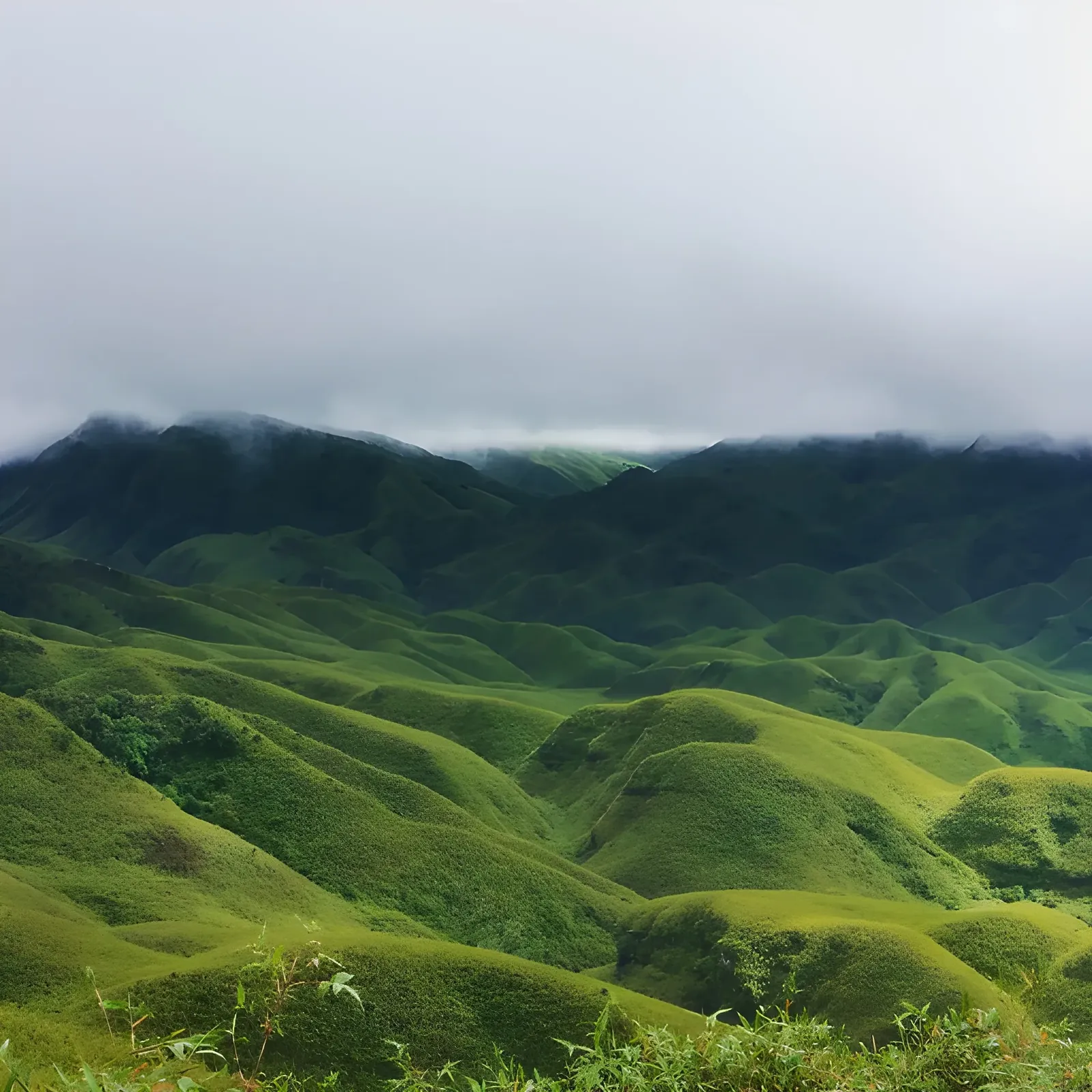
Arguably the most famous trek in Northeast India, Dzukou Valley sits at over 2,400 metres above sea level, offering a dreamlike landscape of lush, rolling meadows, wildflowers, and mist-kissed hills. The valley is especially beautiful during the monsoon and early autumn when it is blanketed in rare Dzukou lilies.
Trail Highlights:
- Panoramic views from the Dzukou rest house
- Dense bamboo groves and flowering ridgelines
- Sunrise over the Eastern Himalayas
Access:
The trek usually starts from either Viswema or Zakhama village, both about 25 km from Kohima, Nagaland. The Viswema route is slightly longer but less steep and easier on the knees.
Ideal For:
First-time trekkers, backpackers, and nature photographers.
Krem Chympe (Meghalaya)
Difficulty: Moderate to Challenging
Beauty Rating: 5/5
Overview:
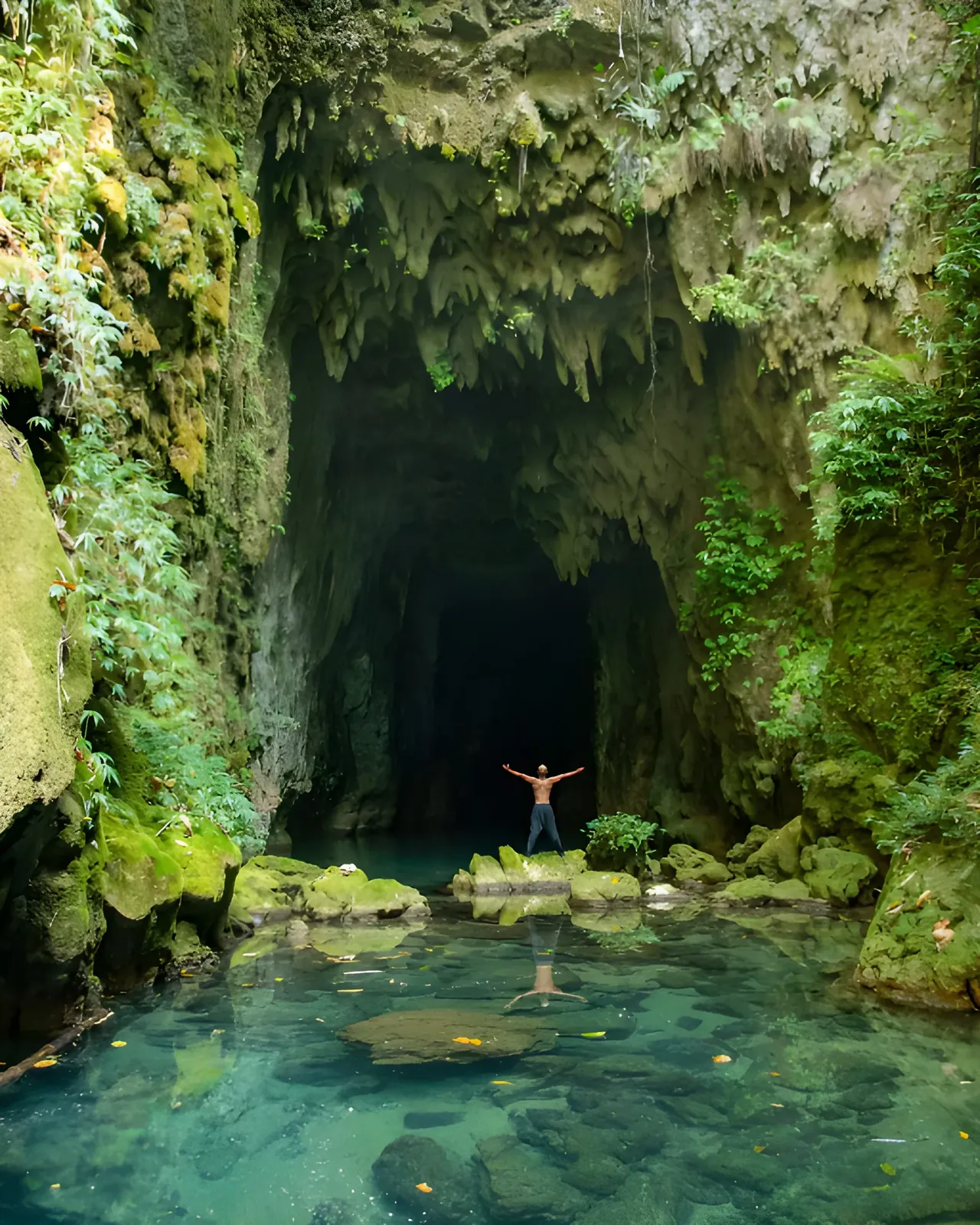
Hidden deep within the limestone hills of Jaintia Hills, Krem Chympe is one of the longest and most awe-inspiring cave systems in India. Stretching over 24 kilometres, it is a wonderland of subterranean rivers, crystal-clear pools, towering stalagmites, and glittering formations. Unlike crowded treks, this is a true offbeat adventure, part exploration, part expedition, where silence is broken only by rushing underground streams and the flutter of cave-dwelling bats.
Trail Highlights:
- Venturing into one of Asia’s most impressive limestone cave systems.
- Swimming in hidden turquoise pools inside the cave.
- Witnessing otherworldly stalactite and stalagmite formations shaped over millennia.
- Spotting rare cave fauna, including blind fish and cave crickets.
- The sense of discovery: few travellers have ventured this far.
Access:
The cave is located near Sielkan village in the Jaintia Hills of Meghalaya. Access involves a trek through dense forest, often with river crossings, before reaching the cave entrance. Best explored between November and April, when the monsoon-fed rivers are calmer and the cave passages remain accessible. Entry requires local guides and sometimes special permissions, as the terrain can be risky.
Ideal For:
Adventure seekers, geology enthusiasts, cavers, and those who want to go far beyond mainstream Meghalaya itineraries. It’s not just a trek, but an immersive journey into the earth’s hidden chambers.
Shirui Peak Trek (Manipur)
Difficulty: Easy to Moderate
Beauty Rating: 4.5/5
Overview:
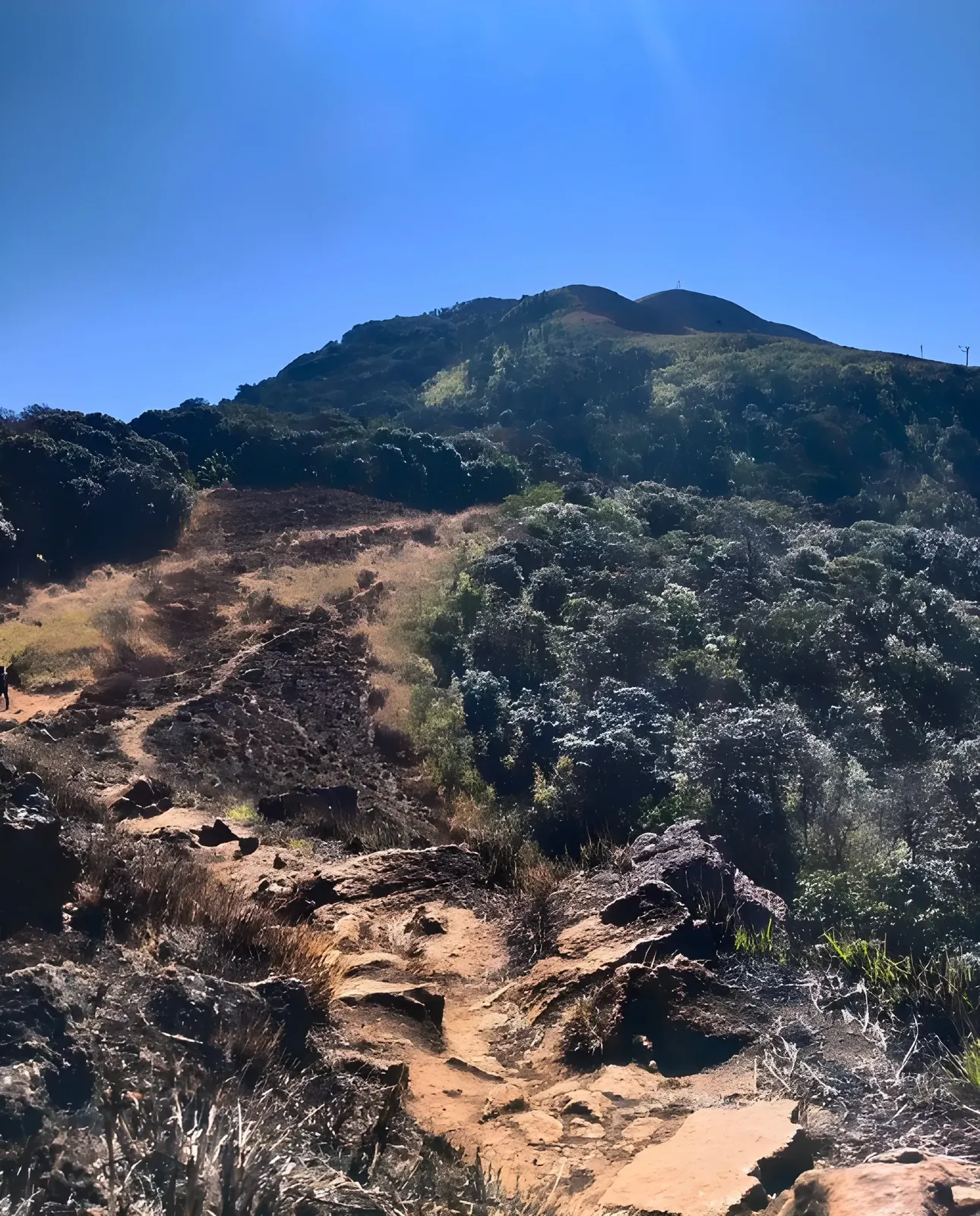
Rising above Ukhrul town in Manipur’s Tangkhul Naga hills, Shirui Peak is home to the legendary Shirui Lily (Lilium mackliniae), a rare flower found nowhere else in the world. The trek to the summit is less about altitude and more about serenity: rolling green meadows, misty ridges, and panoramic views that stretch as far as Myanmar on a clear day. During the flowering season in May–June, the slopes are carpeted with lilies, making it one of the most unique short treks in Northeast India.
Trail Highlights:
- Trekking through misty trails and open meadows above Ukhrul.
- Witnessing the Shirui Lily in bloom: the pride of Manipur.
- Birdwatching opportunities, with rare species often spotted around the peak.
- 360° views of Manipur’s rolling hills and even the Myanmar border ranges.
- The gentle, peaceful character of the trail compared to high-altitude Himalayan treks.
Access:
The trek begins from Ukhrul, about 80 km from Imphal (roughly 3 hours by road). The ascent takes 3–4 hours at a relaxed pace, making it suitable even for beginners. Best time to visit is May and June for the lily bloom, though October–November also offers crisp skies and clear views.
Ideal For:
Beginners, nature lovers, and travellers keen to experience Manipur’s cultural and natural heritage without venturing into extreme terrains. It’s as much a botanical pilgrimage as a trek.
Bailey Trail Trek (Arunachal Pradesh)
Difficulty: Hard
Beauty Rating: 5/5
Overview:
A historical trail named after British officer Lt. Col. F.M. Bailey, this is one of the most demanding and least explored high-altitude treks in India. The trail passes through dense forests, alpine meadows, glacial rivers, and remote tribal hamlets, reaching heights of over 4,300 metres.
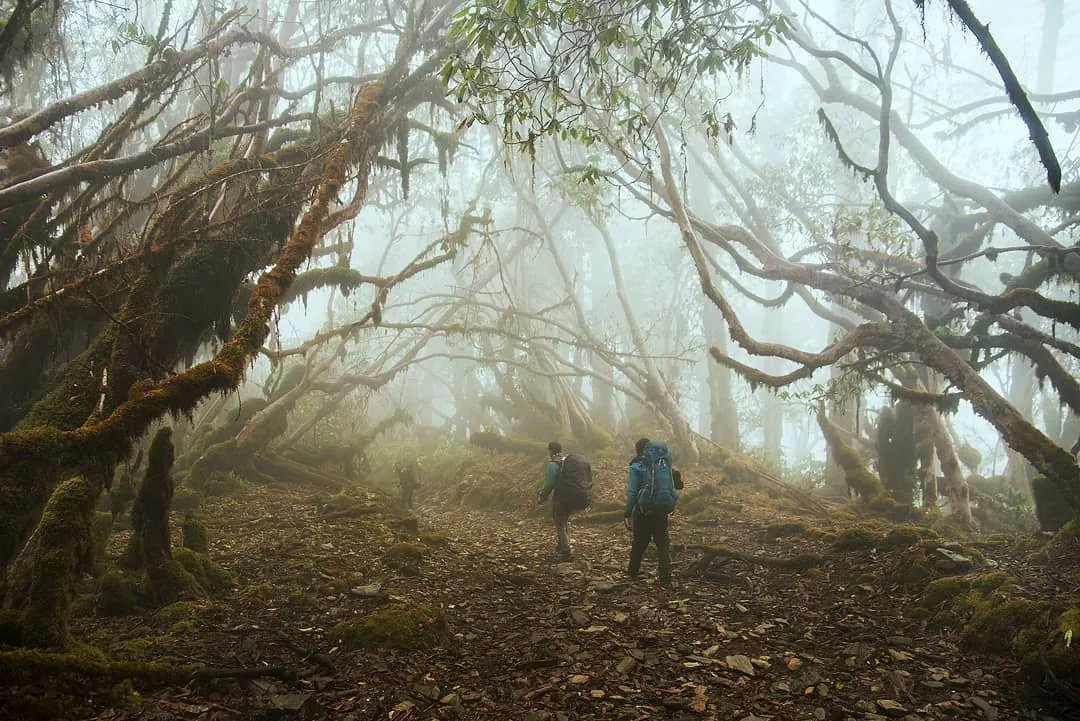
Trail Highlights:
- Cross the Sela Pass and Tawang–Mechuka Corridor
- Encounters with local Monpa villages
- Views of snow-laden peaks and ancient Buddhist monasteries
Access:
It usually starts from Dirang or Tawang in Arunachal Pradesh. Permits for Arunachal are mandatory and should be arranged in advance.
Ideal For:
Experienced trekkers looking for raw wilderness and solitude.
Mawryngkhang Bamboo Trek (Meghalaya)
Difficulty: Moderate
Beauty Rating: 4/5
Overview:
Known as the “Bamboo Trail of Meghalaya,” the Mawryngkhang Trek near Wahkhen village is one of the most thrilling and unique experiences in the Northeast. The trail is made entirely of hand-woven bamboo bridges and ladders, clinging to rocky cliffs as you follow the path of the legendary warrior U Mawryngkhang, which is a massive rock formation in Meghalaya, India, renowned as the “King of Stones” and the focal point of the Mawryngkhang Trek.
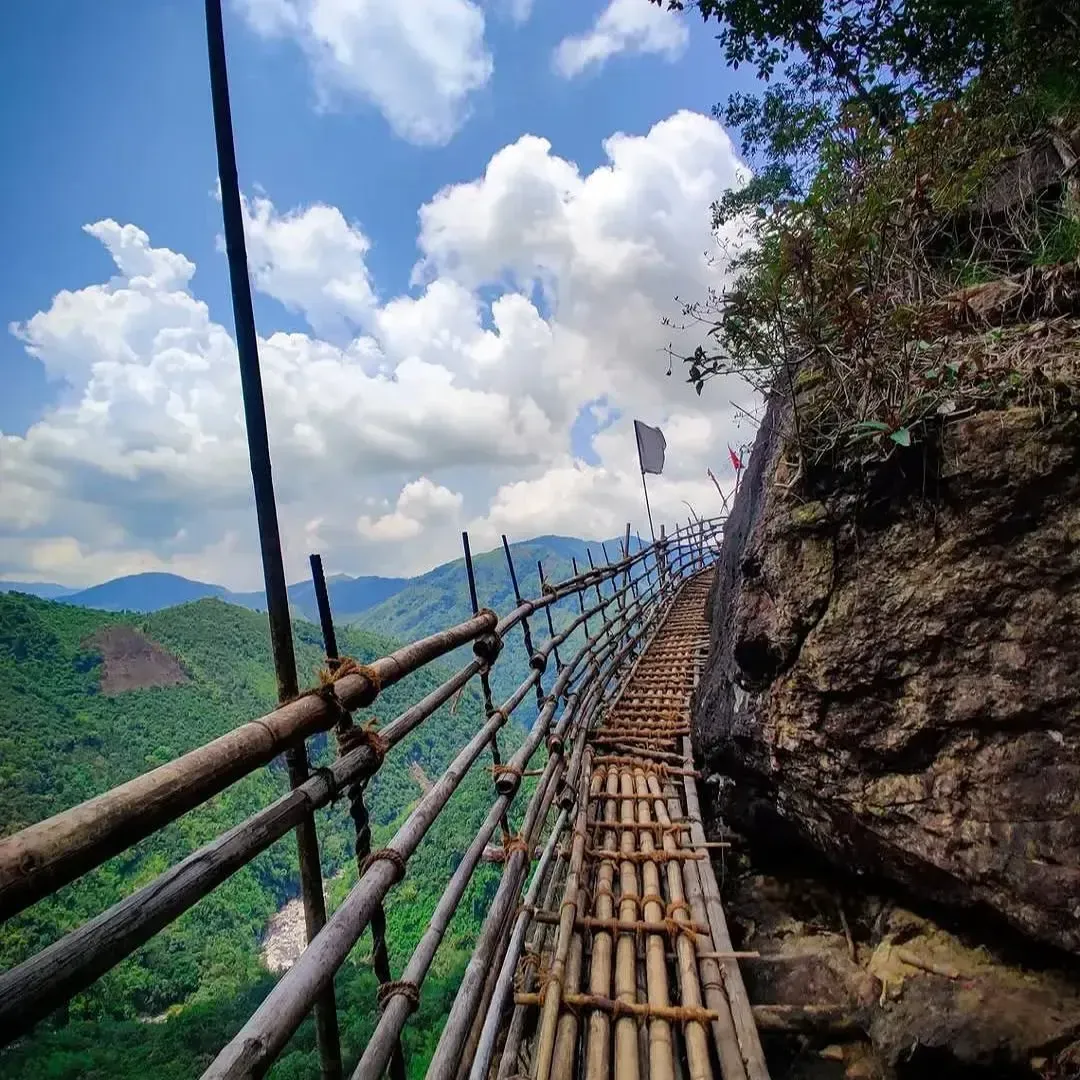
Trail Highlights:
- Heart-racing walk across swaying bamboo bridges
- Clifftop views of gorges, waterfalls, and jungle canopies
- Rich Khasi folklore and local hospitality
Access:
Wahkhen is a 2-hour drive from Shillong. The trail starts from the village and takes 2–3 hours to complete a round trip.
Ideal For:
Adventurous trekkers seeking a cultural trail with a mix of thrill and scenic immersion.
Japfu Peak Trek (Nagaland)
Difficulty: Moderate–Hard
Beauty Rating: 4/5
Overview:
The Japfu Peak Trek, starting from Kigwema village near Kohima, leads you to Nagaland’s second-highest peak at 3,048 m. The trail takes you through dense rhododendron forests, offering panoramic views of the Dzukou Valley and surrounding mountains.
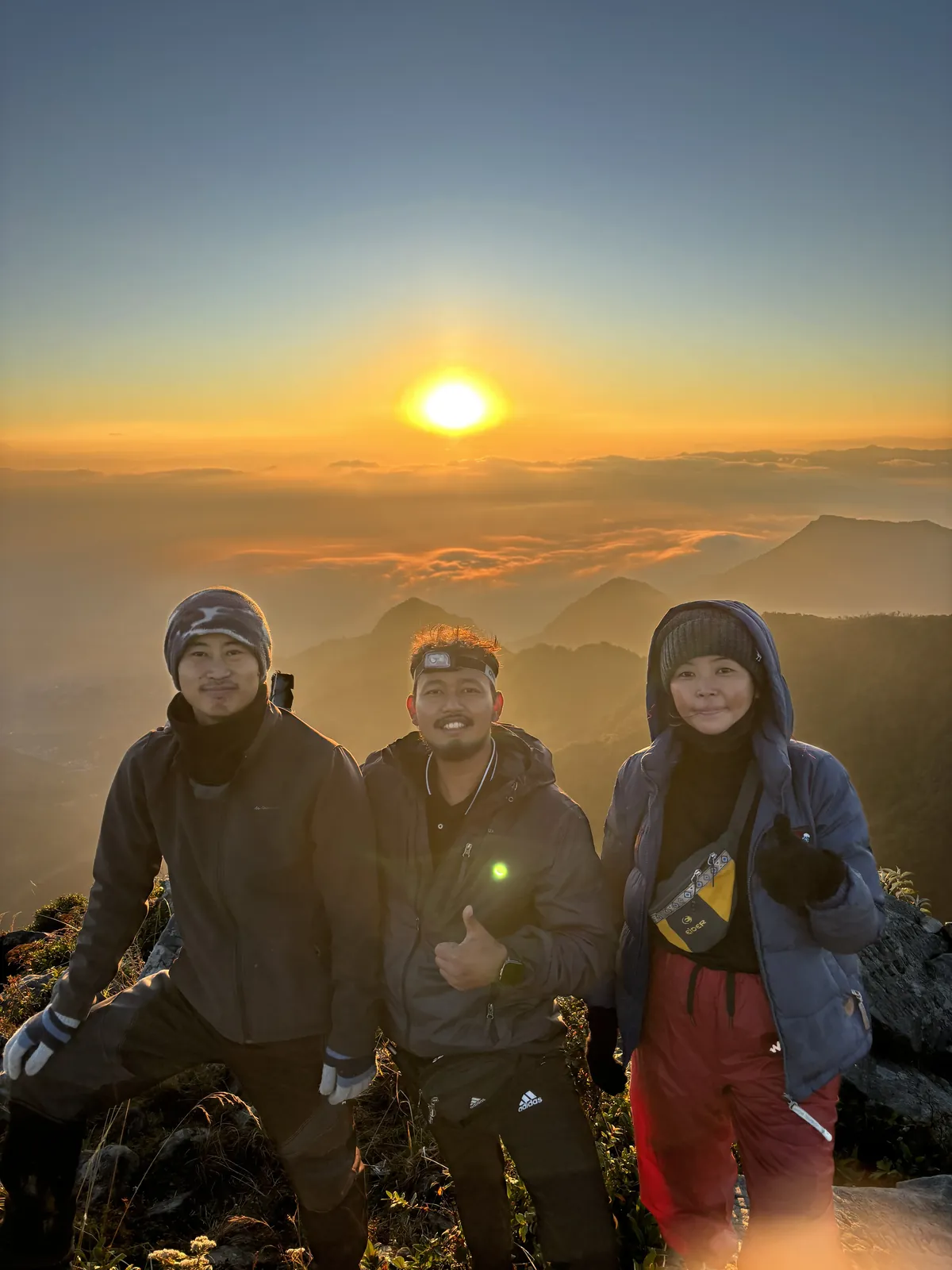
Trail Highlights:
- Home to one of the tallest rhododendron trees in the world
- Camping amid pine forests and wildflowers
- Panoramic sunrise views from the summit
Access:
The base is Kigwema (30 mins from Kohima). Best to hire a local guide. It takes 6-7 hours to reach the peak and people most visit for the sunrise. It is a trek that is to be done during the night-time to experience it the best.
Ideal For:
Nature lovers and trekkers who enjoy lush trails and unique biodiversity.
Saramati Peak Trek (Nagaland–Myanmar Border)
Difficulty: Hard
Beauty Rating: 5/5
Overview:
Towering at 3,841 metres, Saramati Peak is the highest in Nagaland and straddles the India–Myanmar border. Starting from Thanamir, the Apple Village, this trek passes through virgin forests, alpine meadows, and cloud-kissed ridges, culminating in awe-inspiring views across both countries.
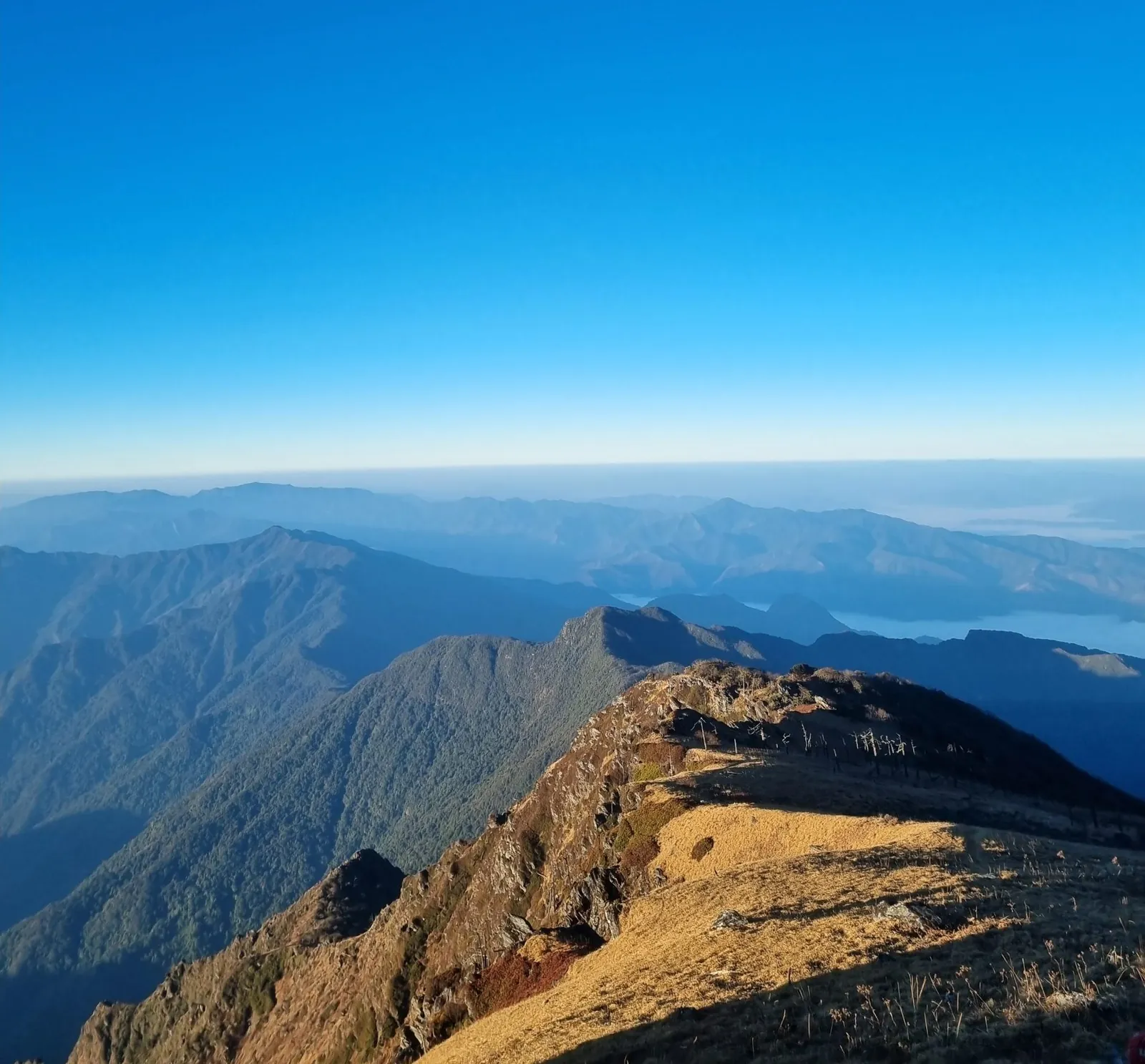
Trail Highlights:
- Spectacular views across the Eastern Himalayas and Myanmar
- Thick forests and high-altitude flora
- Cultural immersion in Yimchunger Naga village life
Access:
Start at Kiphire district, drive to Thanamir village, then trek 3–4 days with guides.
Ideal For:
Experienced trekkers seeking isolation, altitude, and raw natural beauty.
Tumjang Peak Trek (Assam)
Difficulty: Easy to Moderate
Beauty Rating: 4/5
Overview:
Located in the Dima Hasao district of Assam, Tumjang Peak is one of the highest points in the region, rising to about 1,800 metres. The trek takes you through pine forests, bamboo groves, and wide-open grasslands before rewarding you with breathtaking views of the Barail range and the rolling hills of Assam and Nagaland. Still largely off the tourist radar, Tumjang offers a peaceful alternative to more crowded treks in the Northeast.
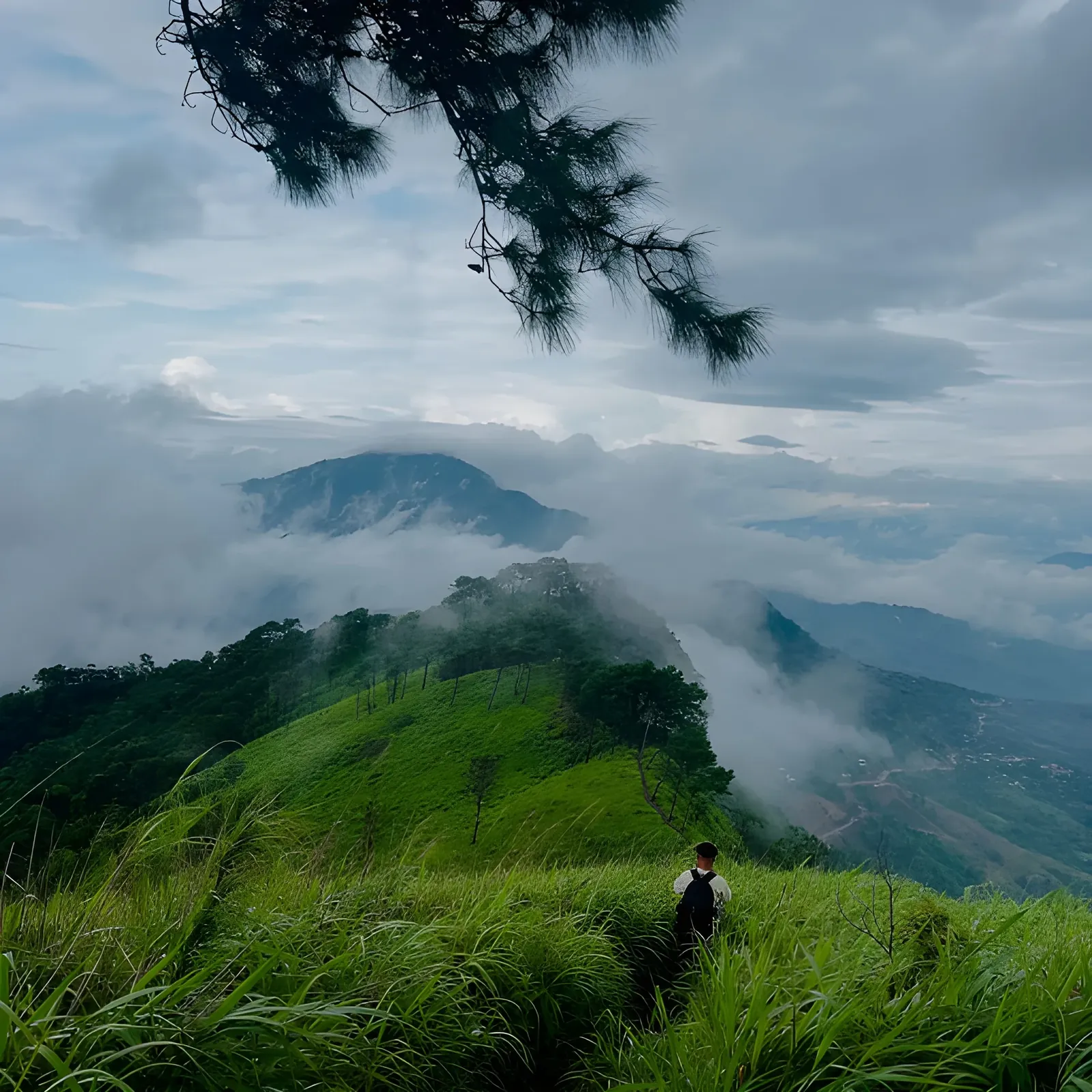
Trail Highlights:
- Gradual climb through pine and bamboo forests with refreshing mountain air.
- Panoramic views from the summit of the Barail Hills, with glimpses stretching into Nagaland.
- Camping opportunities in serene meadows with starry night skies.
- A chance to explore nearby Dima Hasao villages and their warm local hospitality.
- Less commercialised and rarely crowded, offering a sense of discovery.
Access:
The trek usually begins near Mahur town, well-connected by road and rail to Guwahati via Haflong. From Mahur, local guides can arrange camping and trekking routes. Best time to visit is October to April, when the weather is clear and trails are dry. The monsoon months are best avoided due to slippery paths and leeches.
Ideal For:
Weekend trekkers, offbeat travellers, and those who want to combine nature with a taste of rural Assam. It’s a rewarding short trek that blends scenic beauty with cultural encounters.
Tips for Trekking in Northeast India
Trekking in the Northeast offers raw, untouched beauty, but it comes with its own set of challenges. Here’s how to prepare:
Best Seasons to Visit
- March to June: Ideal for alpine and rhododendron treks (e.g. Dzukou, Japfu, Saramati)
- September to November: Best weather for high-altitude treks like Mechuka and Bailey Trail
- Avoid peak monsoons (June–August) unless specifically aiming for monsoon treks.
Permits & Entry Requirements
- ILPs (Inner Line Permits) required for Arunachal Pradesh and Nagaland.
- Protected Area Permits (PAP) may be needed for foreign nationals
- Always carry multiple copies of ID and permits
Safety and Essentials
- Hire local guides: navigation can be tricky without marked trails
- Carry essentials: first aid, water purifier, torch, rain gear, power bank, and layered clothing
- Phone signal is often poor: download offline maps
Responsible Trekking
- Respect local customs, dress modestly in villages
- Leave no trace: avoid littering, especially plastic
- Support homestays and local guides to promote sustainable tourism
Conclusion
The Northeast is a trekker’s dream: from bamboo bridges in Meghalaya to snow-kissed peaks on the Indo-Myanmar border, it offers an untamed mix of beauty and adventure. But its magic lies in its remoteness. These trails remain off the radar, untouched by mass tourism, and that’s what makes them special. If you’re seeking treks that test your spirit while immersing you in unspoilt natural beauty, look beyond the ordinary, trek Northeast.