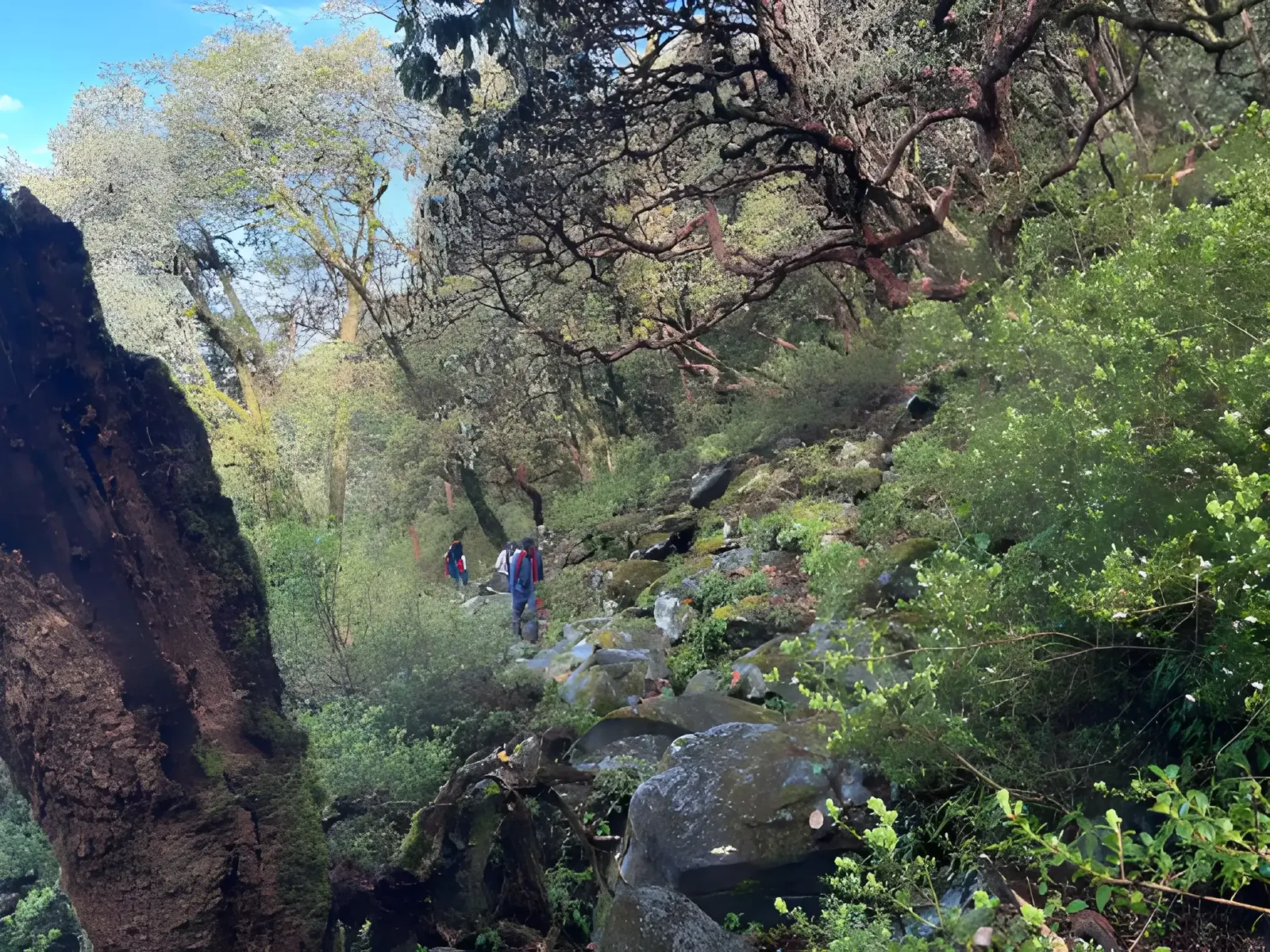
Explore the Green Trails: 5 Best Eco-Friendly Treks in Northeast India
Discover the best eco-treks in Northeast India for nature lovers. Explore lush trails, forest stays, and untouched terrain across the Eastern Himalayas.

Table of contents
Introduction
Trekking in Northeast India is not only about breathtaking views, it is also about walking paths that respect and preserve the environment. The region is home to trails where biodiversity thrives, where communities take pride in maintaining their forests, and where travellers learn the meaning of eco-conscious exploration. These Northeast India eco-treks provide far more than just physical adventure, they create a connection with land, people, and traditions that have endured for centuries.
Choosing an eco-friendly trek in Northeast India means supporting local communities, limiting your environmental impact, and discovering landscapes still untouched by mass tourism. From the mystical Double Decker Root Bridge in Nongriat to the remote valleys of Arunachal Pradesh, these trails combine sustainability with adventure. In this blog, we explore five treks that showcase the true green spirit of the Northeast, each inviting travellers to walk gently and leave only footprints behind.
Double Decker Root Bridge Trek, Nongriat
Difficulty: Moderate
Trail Duration: 1–2 Days
Best Time: October to April
Perhaps the most famous of all eco-treks in Northeast India, the Double Decker Root Bridge in Nongriat, Meghalaya, is a living marvel of natural engineering. Here, locals of the Khasi tribe have guided the roots of ancient rubber fig trees across rivers for centuries, weaving them into sturdy natural bridges. The most iconic of them all, the Double Decker Root Bridge, is a two-tier structure suspended over a gushing stream, drawing trekkers and photographers from across the globe.
Trail Highlights:
The trek begins from Tyrna village, requiring a descent of around 3,500 stone steps through dense tropical forest. Along the way, travellers encounter hanging bridges made of steel ropes, turquoise pools, and smaller root bridges that hint at the ingenuity of Khasi traditions. The natural soundscape of waterfalls, cicadas, and rustling leaves adds to the feeling of being immersed in a living rainforest.
Eco Value:
This trek is eco-conscious at its core. The bridges are functional examples of bioengineering, built entirely by hand without machinery, concrete, or chemicals. They represent sustainable architecture at its finest and are maintained by generations of villagers. Staying in homestays in Nongriat also ensures your contribution goes directly to the local community.
What to Expect:
Bathing in the crystal-clear pools of the Umshiang River, walking under thick forest canopies, and crossing suspension bridges that sway over roaring streams all make this trail unforgettable. A visit here is more than just trekking, it is about witnessing how humans and nature co-create.
Eco-Tip: Carry only essentials to reduce load on the steps, avoid single-use plastics, and always use the biodegradable waste bins provided by locals.
David Scott Trail, Meghalaya
Difficulty: Easy–Moderate
Trail Duration: 1 Day (16 km)
Best Time: October to March
The David Scott Trail is one of Meghalaya’s most historic and eco-friendly treks. Dating back to the early 19th century, this path was once part of a horse-cart route created by a British officer named David Scott. Today, it has transformed into a popular trail that highlights Meghalaya’s natural wealth and cultural heritage.
Trail Highlights:
Stretching between Mawphlang and Lad Mawphlang, the route winds through rolling hills, sacred groves, streams, and small Khasi villages. Ancient stone pathways and old bridges still stand, offering a glimpse into colonial history amid lush surroundings. The trail passes through sacred forests that are carefully protected by local communities, making it an example of how indigenous traditions safeguard biodiversity.
Eco Value:
Trekkers are encouraged to respect the sacred groves by staying on marked paths and avoiding damage to flora and fauna. The trail provides local villagers with opportunities to act as guides, ensuring the benefits of tourism stay within the community.
What to Expect:
Expect encounters with cascading streams, natural rock formations, and meadows that open up to sweeping vistas. Interactions with Khasi villagers along the way add cultural depth to the journey.
Eco-Tip: Pack snacks in reusable containers and hire local guides to ensure the trail is maintained sustainably.
Talle Valley Eco Trek, Arunachal Pradesh
Difficulty: Easy-Moderate
Trail Duration: 4–5 Days
Best Time: October to April
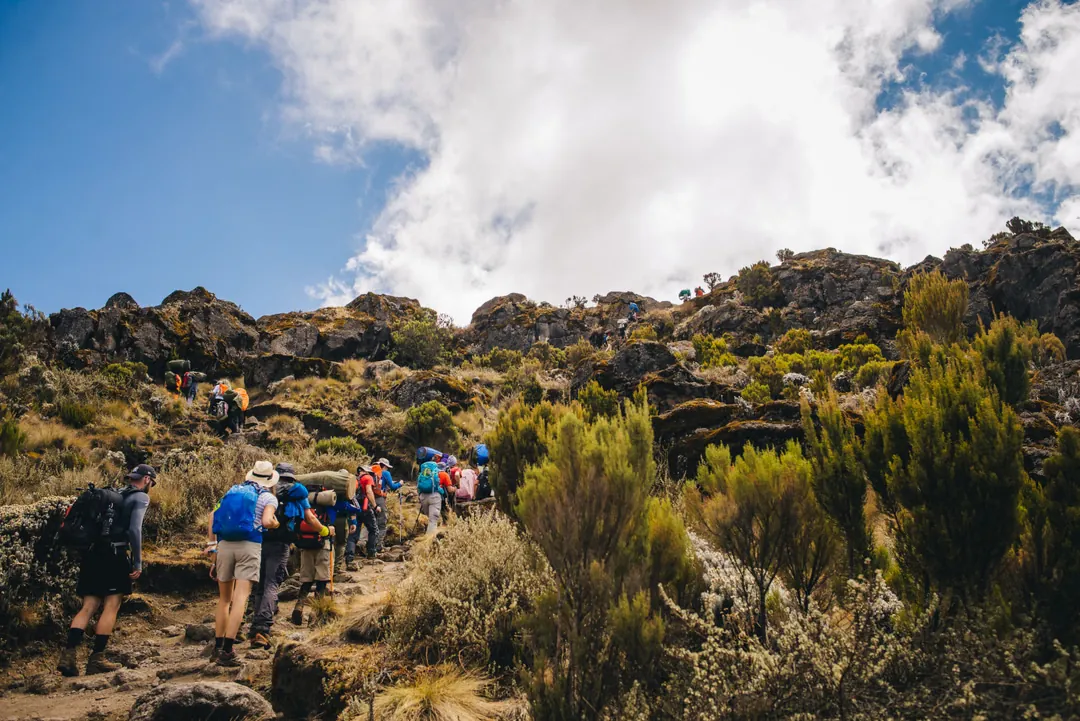
For trekkers seeking pristine wilderness, the Talle Valley Eco Trek in Ziro, Arunachal Pradesh, offers an unforgettable experience. Nestled in the Eastern Himalayas, this trek runs through the Talle Valley Wildlife Sanctuary, a protected area known for its rich biodiversity and serene beauty.
Trail Highlights:
The trek begins from Ziro, home to the Apatani tribe, and continues into dense sub-tropical and temperate forests. The sanctuary is a haven for orchids, ferns, and bamboo groves, as well as endangered species like the clouded leopard and Himalayan black bear. The trail is often mist-laden, with sounds of birds guiding trekkers deeper into the heart of nature.
Eco Value:
The trek embodies eco-tourism as it runs entirely within a protected sanctuary. Local communities advocate for low-impact trekking, with limited group sizes and emphasis on leaving no trace. Homestays in Apatani villages provide cultural immersion while supporting the locals directly.
What to Expect:
The trek rewards adventurers with panoramic views of rolling hills, untouched forests, and campsites under starry skies. It is both physically demanding and spiritually rejuvenating, offering a complete escape from urban life.
Eco-Tip: Ensure you have proper permits from the Arunachal Pradesh Forest Department and follow eco-guidelines strictly.
Narpuh Eco Trail, Meghalaya
Difficulty: Moderate
Trail Duration: 2–3 Days
Best Time: November to March
The Narpuh Eco Trail is one of Meghalaya’s least-explored trekking gems. Located in the Jaintia Hills, this trail takes you through the lush forests of the Narpuh Wildlife Sanctuary, an area known for its rich biodiversity and hidden waterfalls.
Trail Highlights:
The path cuts through dense forests with rare orchids, bamboo groves, and wild banana plants. Trekkers encounter natural limestone caves, bubbling streams, and rolling valleys that make the experience refreshing and unique. The trail is dotted with traditional villages, where Khasi and Jaintia communities still practise shifting cultivation and forest conservation.
Eco Value:
The trek is community-led, with local guides playing a key role in protecting fragile ecosystems. The sanctuary is home to elephants, leopards, and a variety of bird species, which makes conservation vital. Tourism here provides an alternative livelihood for villagers, encouraging them to preserve the forests rather than exploit them.
What to Expect:
Expect long hikes through forests alive with birdsong, clear pools perfect for quick dips, and evenings spent camping under the stars. The absence of large crowds makes this trek an ideal eco-friendly getaway.
Eco-Tip: Use biodegradable toiletries and avoid bathing in streams to keep the water pristine.
Siju–Balpakram Eco Trek, Meghalaya
Difficulty: Moderate–Challenging
Trail Duration: 4–5 Days
Best Time: October to March
Located in the Garo Hills of Meghalaya, the Siju–Balpakram Eco Trek offers a spectacular journey into the state’s most dramatic landscapes. This trek connects the limestone caves of Siju with the pristine forests and cliffs of Balpakram National Park, often referred to as the “Grand Canyon of the East.”
Trail Highlights:
Siju is famous for its cave system, which is among the longest in India and filled with natural rock formations. The trail then meanders through tropical forests, across rivers, and finally into the high ridges of Balpakram, offering panoramic views of the gorges and plateaus. Along the way, trekkers may spot elephants, gaur, and rare species like the golden cat.
Eco Value:
Both Siju caves and Balpakram forests are ecologically sensitive zones. Local communities and eco-groups ensure trekking groups follow strict rules, including waste management and restricted access to certain zones. This makes it a perfect eco-trek that balances adventure with responsibility.
What to Expect:
Caves with mystical rock chambers, untouched forests alive with wildlife, and dramatic cliffs overlooking valleys. Camping near the park edges is an experience that combines solitude with awe.
Eco-Tip: Carry headlamps for the caves and avoid touching stalactites and stalagmites, as they take centuries to form.
Conclusion: Walking the Green Path
Trekking in Northeast India is not just about conquering trails, it is about connecting with nature and respecting the cultural and ecological heritage of the region. From the historic David Scott Trail and the biodiversity-rich Talle Valley to the untouched forests of the Narpuh Eco Trail and the iconic Double-Decker Root Bridge Trek, each journey highlights how tourism and sustainability can coexist.
What makes these treks eco-friendly is the direct involvement of local communities and the commitment to preserve fragile ecosystems. Choosing these treks means travellers actively contribute to conservation while enjoying landscapes that remain wild and authentic.
For anyone seeking travel that goes beyond ticking off destinations, eco-treks in Northeast India offer the chance to walk gently, learn deeply, and leave behind nothing but footprints.